Last updated November 21, 2026
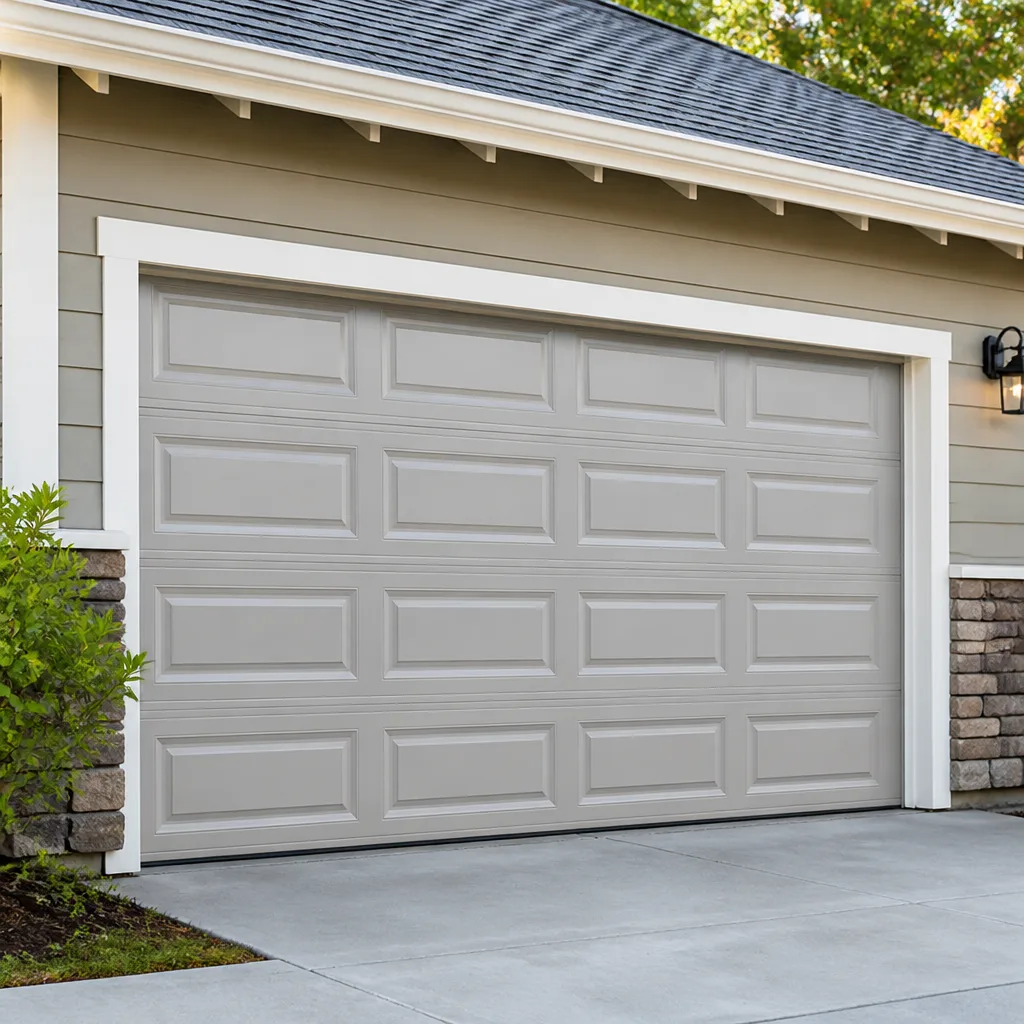 Raised-panel steel
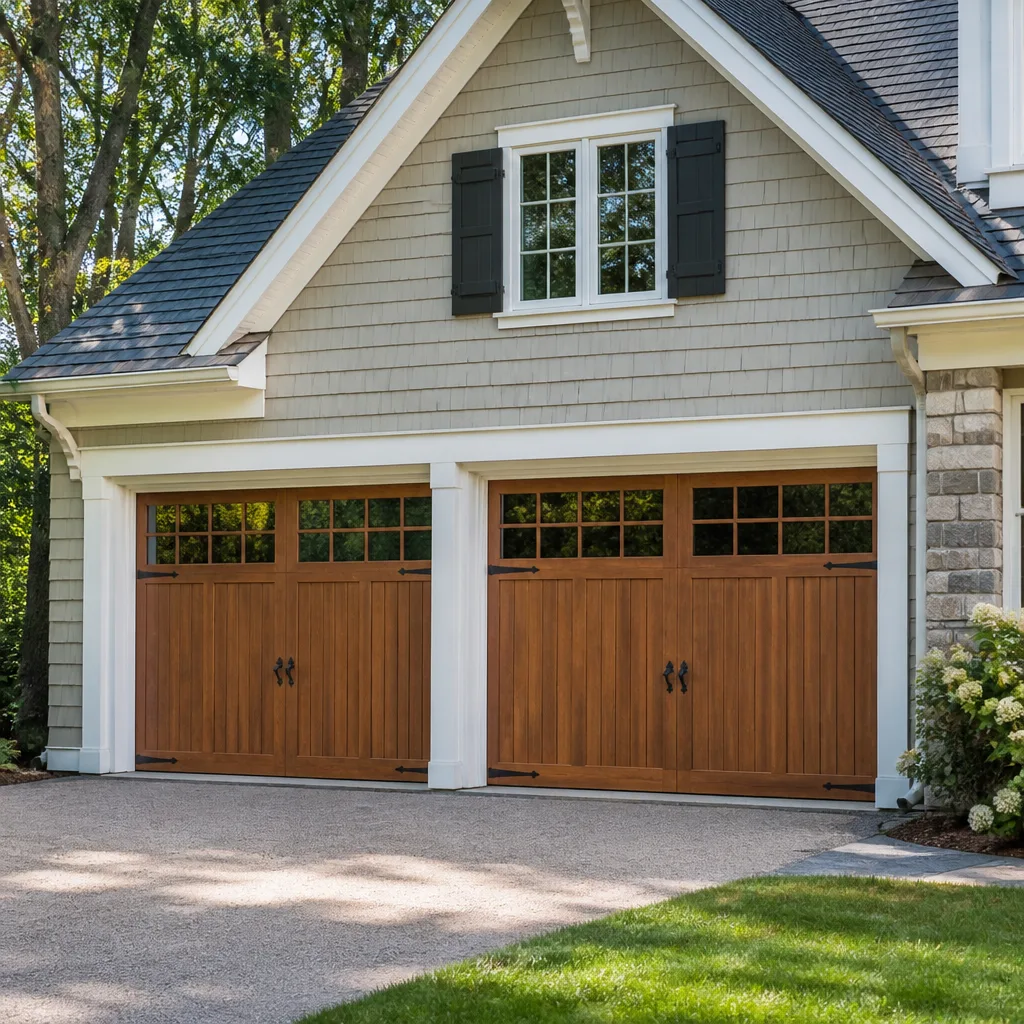 Carriage house
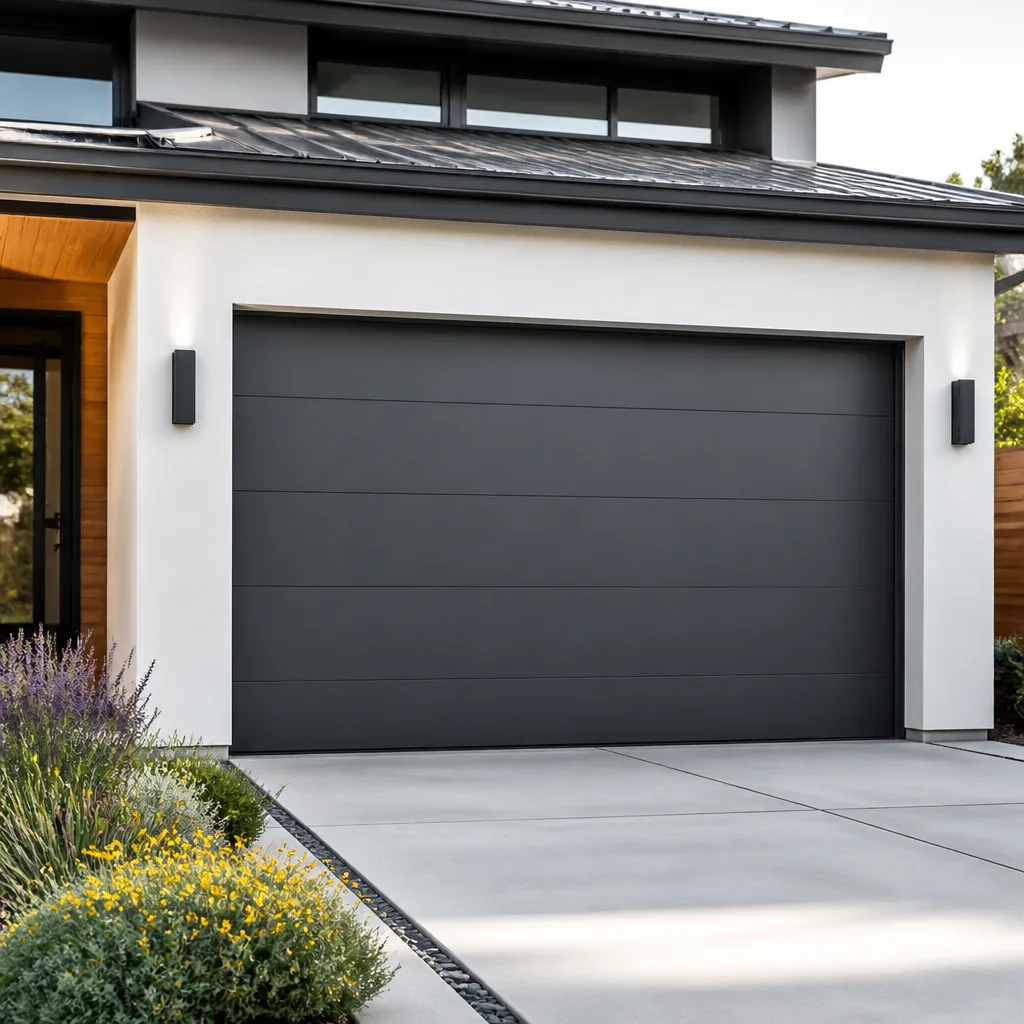 Modern flush
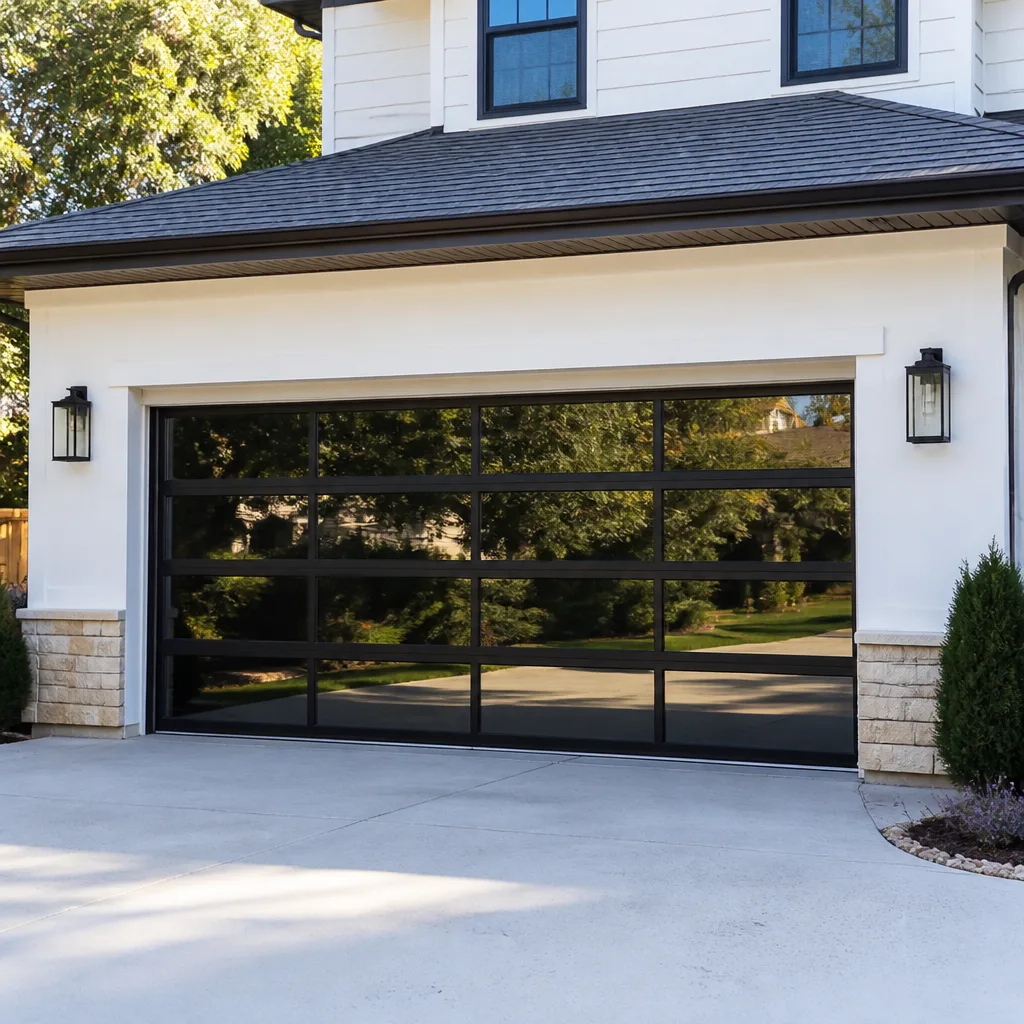 Full-view glass
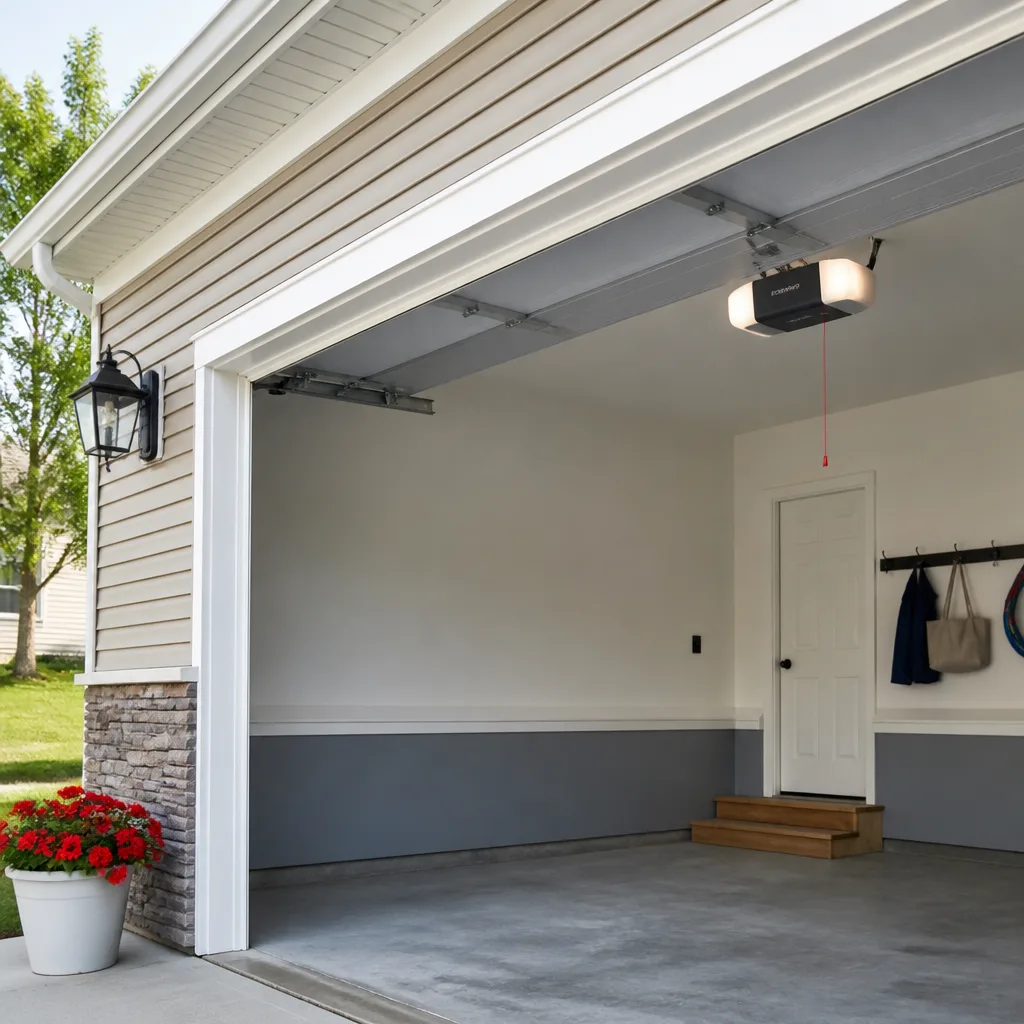 LiftMaster openers
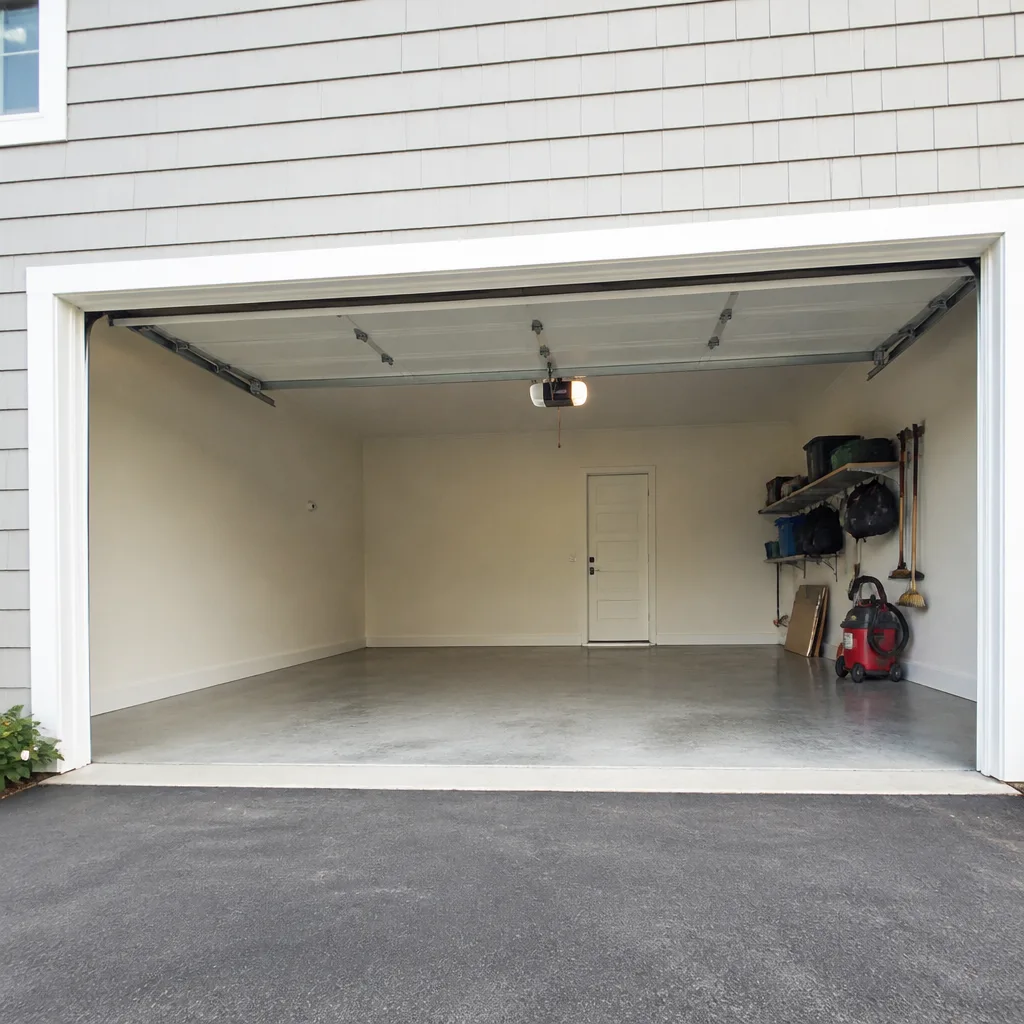 Chamberlain openers
Full 25-point door and opener safety check with every visit - springs, cables, rollers, tracks, and your LiftMaster or Chamberlain opener included
You get a price before we start. It does not change when the pro arrives.
Get your free estimateGarage Door Repair Maintenance Checklist for Jackson Heights Homeowners
The call we get most often in Jackson Heights isn’t from a door that failed without warning. It’s from a door that gave plenty of warnings, quietly, for months. A cable that frayed a few strands at a time. A bottom seal that pulled loose enough to let in grit and water. A roller that started grinding and slowly chewed through its own bearing. Each of those is a small, cheap fix when you catch it early. Left alone, each one turns into a repair that ties up the door for longer and costs far more than it needed to.
The problem with most maintenance checklists is that they’re built around a calendar, not around how the door actually works. A door on a quiet residential block and a door facing a busy Jackson Heights avenue don’t fail on the same schedule, and treating them the same is how people miss the early signs.
This guide is built around failure points instead: what to look at, what a bad sign looks like, how often to check it in Queens conditions, and which checks are safe for you to do yourself. By the end you’ll have a routine you can run in about fifteen minutes, and a clear list of the things you should never touch.
Styles & brands we work with
- Raised-panel steel
- Carriage house
- Modern flush
- Full-view glass
- LiftMaster openers
- Chamberlain openers
Quick Answer
A working garage door maintenance checklist for Jackson Heights covers springs, cables, rollers, hinges, tracks, the bottom seal, and the opener’s safety reverse, checked monthly for the visual items and twice a year for lubrication. In Queens, where road grime, temperature swings, and winter road treatment wear hardware faster than in sheltered suburbs, the two items that matter most are cable inspection and bottom-seal condition. Springs and cables are not DIY territory – a trained technician should assess and replace them.
Table of Contents
- How often should you check a garage door in Jackson Heights?
- What should you look for on springs before they fail?
- Cables: the failure point most homeowners walk past
- Rollers, hinges, and tracks: the moving parts you can maintain
- How street grime changes your lubrication schedule
- Bottom seal and weatherstrip before a Queens winter
- The opener force test almost nobody runs
- Which checks are DIY-safe and which need a technician
- Common Mistakes to Avoid
- When to Call a Professional
- Frequently Asked Questions
- The Bottom Line
How often should you check a garage door in Jackson Heights?
A garage door in Jackson Heights should get a quick visual check once a month and a fuller lubrication and adjustment check twice a year, ideally in late fall before winter and again in spring. That’s faster than the once-a-year inspection many national guides suggest, and there’s a good reason for it. Doors here face a combination that accelerates wear: temperature swings that expand and contract metal, street-level grime and exhaust that settle on exposed hardware, and winter road treatment tracked in on tires and shoes.
Think about what your door actually goes through in a week. In a neighborhood like Jackson Heights, a lot of garages sit at street level with the door facing the sidewalk or an alley, so every passing vehicle sends grit toward the seal and the lower panels. In winter, that grit mixes with road salt and slush and sits against the bottom of the door. In summer, humidity works on any spot where the factory finish has worn thin.
Monthly check (about five minutes)
- Look along the springs for gaps, rust streaks, or a stretched, uneven coil.
- Run your eyes down both cables for frayed strands or kinks.
- Watch and listen while the door opens and closes: grinding, squealing, or a door that pauses and lurches are all signals.
- Check that the bottom seal still touches the ground evenly across the full width.
Twice-a-year check (about fifteen minutes)
- Lubricate hinges, rollers, and the torsion bar bearing plates (not the springs themselves).
- Test the opener’s safety reverse with a small object.
- Tighten any hinge or bracket bolts that have worked loose.
- Wipe down lower panels and touch up any bare metal before rust takes hold.
If your door cycles many times a day – a multi-car household, a property manager’s building, a door used as the main entry – treat the twice-a-year check as quarterly. More cycles mean more wear on the same parts.
What should you look for on springs before they fail?
Before a torsion spring breaks, it usually shows a visible gap in the coil, a stretched section, or a rust line where moisture has worked under the finish. On extension springs, look for a stretched coil, a gap between coils, or a worn, discolored safety cable running through the middle. Any of those means the spring is on its way out and should be assessed by a technician.
Springs are the most dangerous component on the whole door. A torsion spring under load stores enough energy to cause serious injury if it’s handled wrong, and the winding process takes specific tools and training. We never walk a homeowner through adjusting or replacing one. What we do encourage is checking for the warning signs so the spring gets replaced on a planned service call instead of failing while your car is trapped inside.
What a failing spring looks like
- A visible gap in the coil on a torsion spring – the clearest sign it has broken or is about to.
- Rust streaks or pitting along the coils. In Jackson Heights humidity and street-level moisture, this is common on older springs.
- A door that feels suddenly heavy when you lift it by hand (with the opener disconnected). A balanced door lifts easily; a struggling one points to a tired spring.
- A loud bang from the garage followed by a door that won’t lift. That’s usually a spring that has already let go.
Spring repair is a named service for a reason: it’s the repair that separates a real garage door specialist from a general handyman. If you suspect a spring problem, don’t cycle the door to “test” it. Leave it closed and have it looked at. We handle garage door repair for spring failures regularly, and we’d rather see a worn spring than a broken one.
Cables: the failure point most homeowners walk past
A garage door cable is failing when you can see individual frayed strands, a kink, or a cable that has jumped its drum. Cables rarely snap without warning – they fray strand by strand, and the fraying is visible if you know where to look. This is the single most overlooked item on a home checklist, and it’s the one most likely to turn a small repair into an emergency.
On a standard sectional door, the cables run from the bottom corners up along each side and over the drums at the top of the torsion shaft. Sight down each cable from the bottom bracket to the drum. What you’re looking for:
- Frayed or broken strands – any fuzzy, split wire means the cable is compromised.
- Kinks or sharp bends – a kinked cable is weaker at the bend and can bind in the drum.
- A slack or loose cable on one side – this often means the cable has come off the drum, and the door can drop unevenly.
- Rust on the cable itself – a rusted cable loses strength quietly.
Cables are under high tension and are every bit as dangerous as springs. Do not attempt to loosen, adjust, or replace one yourself. If you see fraying, stop using the door and have it assessed. A cable that fails while the door is up can let a corner drop, which is a genuine safety hazard, not just an inconvenience.
Rollers, hinges, and tracks: the moving parts you can maintain
Rollers, hinges, and tracks are the parts of a garage door system a homeowner can genuinely inspect and maintain. Rollers should turn freely and show no flat spots; hinges should be tight with no visible cracks; tracks should be straight, clean, and free of dents. This is the section of the checklist where a little attention goes a long way.
Rollers
Nylon rollers tend to wear quietly; steel rollers get noisy and can develop flat spots. Spin each roller with your fingers (door closed, opener disconnected) and feel for grinding or wobble. A roller that won’t spin smoothly is dragging on the track and putting extra load on the opener. Worn rollers are cheap to replace and are one of the best-value maintenance items on the door.
Hinges
Look at each hinge where it attaches to the panel. Check for cracks in the metal, loose screws, and any hinge that’s bent. Hinges take a lot of load, and a cracked hinge can let a panel shift. Tighten loose screws with a screwdriver; if a screw won’t hold, the hole may need attention from a technician.
Tracks
Tracks should be straight and parallel. Look for dents, bends, or debris (leaves, grit, small toys) sitting in the channel. Wipe the tracks clean with a damp cloth – don’t lubricate the track itself, since that attracts grime. If a track is bent, don’t try to bend it back; a misaligned track is a job for a technician and can cause the door to come off its rollers.
In Jackson Heights, where doors face the street or an alley, grit and street debris find their way into tracks faster than in a sheltered suburban driveway. A monthly wipe-down is worth the two minutes.
How street grime changes your lubrication schedule
Garage door hardware in Jackson Heights needs lubrication more often than the once-a-year schedule many guides recommend, because street-level exhaust, airborne grime, and winter road treatment strip and contaminate lubricant faster. A realistic schedule here is every three to six months on hinges, rollers, and bearing plates, and after any winter that involved heavy road treatment.
Exhaust and fine particulate settle on exposed metal and mix with whatever lubricant is already there, forming a gritty paste that actually accelerates wear instead of preventing it. That’s why “lubricate once a year” advice from a drier climate doesn’t translate here. The fix is straightforward: clean first, then lubricate, and do it more often.
What to lubricate and what to leave alone
- Lubricate: hinge pivot points, roller stems and bearings, the torsion bar bearing plates, and the lock (if you have one).
- Don’t lubricate: the springs themselves, the tracks, or the photo-eye lenses.
- Clean first: wipe grime off each hinge and roller with a rag before applying a garage-door-specific lubricant. Don’t use household oil or grease, which attract dirt.
A white lithium or silicone-based garage door lubricant works well. A light spray at each hinge pivot and roller stem is enough – more isn’t better, since excess lubricant just collects grime. If you’re not sure which product suits your door, ask when you book a service call; we’ll tell you what to use on the system already in your garage.
Bottom seal and weatherstrip before a Queens winter
A garage door bottom seal needs replacing when it’s cracked, torn, flattened, or no longer touching the ground evenly across the full width. In Jackson Heights, the right time to check it is before the first hard freeze, because a worn seal lets in cold air, water, and road grit all winter and makes the door harder to operate in freezing temperatures.
The bottom seal is the first line of defense against everything the street throws at your garage. When it’s intact, it keeps out water, snow, grit, and small pests. When it’s worn, water gets under the door, freezes, and puts stress on the bottom panel and the hardware behind it. That’s a Queens winter problem, not a generic seasonal one, because road treatment tracked into the garage and slush against the doorframe both accelerate the damage.
How to check the bottom seal
- Close the door and look along the bottom edge for daylight or gaps.
- Run your hand along the seal and feel for cracks, hard spots, or sections that have torn away.
- Look for water stains or rust on the bottom panel, which point to a seal that isn’t doing its job.
- Check the weatherstrip along the sides and top for the same cracking and separation.
A bottom seal is one of the cheapest parts on the whole door and one of the easiest to replace. It’s also one of the most valuable: keeping water out protects panels, tracks, and hardware all winter. If your seal is due, get it sorted before the cold sets in.
The opener force test almost nobody runs
An opener’s force-sensitivity setting should be tested twice a year, and it’s the check most homeowners skip. The test tells you whether the opener will stop and reverse when it meets resistance – and a misadjusted opener is a leading cause of motor burnout and a genuine safety concern.
Every modern opener has a force setting (sometimes called sensitivity) that controls how much resistance the motor tolerates before it reverses. If it’s set too high, the opener keeps pushing through resistance instead of reversing, which is a safety problem. If it’s set too low, the door reverses on its own and the motor works harder than it should on every cycle. Both eventually wear out the motor and the gears.
How to test the safety reverse
- Open the door fully, then close it using the wall control.
- As the door closes, place a small object (a roll of paper towels works) flat on the floor under the door.
- The door should contact the object and reverse to the open position. If it stops on the object or keeps pushing, the force is set too high and needs adjustment.
- Also test the photo-eye safety beams: wave an object in front of the sensors while the door is closing. The door should reverse.
If either test fails, don’t ignore it. Force and limit settings are adjustable, and the adjustment is quick for a technician – but getting it wrong can stress the motor or leave a safety feature disabled. Opener repair is its own specialty, and the systems in most Jackson Heights garages – LiftMaster, Chamberlain, Genie, and Craftsman among them – each adjust a little differently. If your opener is older or a smart-home model, have it checked by someone who knows the brand. Our garage door opener repair service covers exactly this, including the force and safety settings.
Which checks are DIY-safe and which need a technician
A homeowner can safely handle visual inspection, cleaning, lubrication, tightening loose bolts, testing the opener’s safety reverse, and replacing a bottom seal. Springs, cables, torsion hardware, and track realignment should always be handled by a trained technician. The line is simple: anything under spring tension, or anything that changes how the door is balanced, is a technician’s job.
Safe for you to do
- Visual inspection of springs, cables, rollers, hinges, and tracks.
- Cleaning tracks and wiping grime off hardware.
- Lubricating hinges, rollers, and bearing plates.
- Tightening visible bolts and screws that have worked loose.
- Testing the opener’s safety reverse and photo-eye beams.
- Replacing a bottom seal or weatherstrip (straightforward on most doors).
Leave to a technician
- Any work on torsion or extension springs.
- Any work on cables, drums, or the torsion shaft.
- Adjusting or replacing the torsion bar or its bearing plates.
- Realigning bent tracks.
- Adjusting opener force and limit settings when a test fails.
- Any door that feels out of balance or comes off its rollers.
A good rule: if a part is holding the door’s weight, it’s under tension, and it isn’t a DIY job. Everything else, you can maintain. When you’re ready for a professional assessment of the parts that matter most, our full Jackson Heights Garage Door Repair service covers the whole system, from springs to openers to panels.
Common Mistakes to Avoid
- Lubricating the springs and tracks. Springs shouldn’t be lubricated, and tracks should be kept clean and dry. Lubricant on either attracts grime and makes the problem worse.
- Ignoring a frayed cable because the door still works. A frayed cable is a cable that’s about to fail. The door working today doesn’t mean it will work next week, and a cable failure can drop a corner of the door.
- Using household oil or grease on hinges and rollers. General-purpose oil attracts dirt and turns into a gritty paste in Jackson Heights street conditions. Use a garage-door-specific lubricant.
- Assuming an annual inspection is enough here. Street-level grime, exhaust, and temperature swings wear hardware faster than the once-a-year schedule most guides suggest. Check monthly, lubricate more often.
- Skipping the opener force test. It’s the check most people never run and the one most likely to predict motor trouble. A door that reverses on a small object is a door with a healthy opener.
- Putting off the bottom seal until spring. A worn seal lets in water and road grit all winter, which rusts the bottom panel and stresses the hardware. Replace it before the cold sets in.
- Bending a track back into shape yourself. A track that’s been bent out of alignment needs proper realignment. Forcing it can throw the door off its rollers.
When to Call a Professional
Call a professional when you see a frayed cable, a gap or rust in a spring, a door that feels heavy or won’t stay balanced, a bent track, or an opener that fails the safety reverse test. Also call if the door makes a loud bang, comes off its rollers, or won’t open or close at all. Those are the situations where a small problem can become a safety issue or leave your home unsecured.
For the parts that fall on the “leave to a technician” side of the checklist, a service call is the right move even if the door is still working. A technician can confirm whether a part is worn or fine, and catch something before it fails. Jackson Heights Garage Door Repair offers free estimates in Jackson Heights – call (833) 402-5989. If a spring has already let go or a door is stuck open, our emergency service is a standing availability, not a special request. We’ll come out and get you back up and running today.
Frequently Asked Questions
Do a quick visual check once a month and a fuller lubrication and adjustment check twice a year, in late fall and again in spring. Jackson Heights conditions – street grime, exhaust, temperature swings, and winter road treatment – wear hardware faster than the annual schedule many national guides recommend, so the shorter interval pays off. If your door cycles many times a day, check it quarterly. Call (833) 402-5989 for a professional assessment – estimates are free.
No. Garage door springs are under extreme tension and can cause serious injury if handled without the right tools and training. This is the one part of the checklist we never recommend for DIY. Leave the door closed and have a technician assess it. Spring repair is a core service for us, and we’d rather replace a worn spring than treat an injury. Call (833) 402-5989 to book an assessment.
Frayed strands along the cable are the first sign, followed by kinks and a cable that has jumped its drum. Look down each cable from bottom bracket to drum and check for fuzzy or split wire. If you see fraying, stop using the door and have it looked at – a cable failure can drop a corner of the door. Call (833) 402-5989 for a same-day assessment.
An opener that reverses before the door reaches the floor usually has its force or limit setting too low, or an obstruction in the safety beam path. Both are adjustable, but getting the setting wrong can stress the motor or disable a safety feature. Have it checked by someone who knows your brand – LiftMaster, Chamberlain, Genie, and Craftsman systems each adjust differently. Call (833) 402-5989 for opener repair.
If you can see daylight under the closed door, feel cracks or hard spots in the seal, or see water stains on the bottom panel, the seal needs replacing. In Jackson Heights, do this check before the first hard freeze so water and road grit stay out all winter. A bottom seal is cheap to replace and protects the panels and hardware behind it. Call (833) 402-5989 if you’d like it looked at.
No. Cleaning, lubricating hinges and rollers, tightening loose bolts, testing the opener’s safety reverse, and replacing a bottom seal are all safe for a homeowner to do. Anything under spring tension – springs, cables, the torsion shaft – should go to a technician. If you’re not sure which side a task falls on, a free estimate call is the easiest way to find out. Call (833) 402-5989.
The Bottom Line
A garage door maintenance checklist works best when it’s built around failure points rather than calendar dates. In Jackson Heights, that means checking cables and springs monthly, lubricating more often than the annual schedule suggests, replacing the bottom seal before winter, and running the opener force test twice a year. Springs and cables are never DIY – the rest you can handle. The fifteen minutes a month you spend on this saves you the emergency call, the trapped car, and the bigger repair. Our technicians have up to 8 years of experience and work on the brand already in your garage. If it’s time for a professional look, from a new garage door installation to a spring replacement, call us.
When your checklist turns up something that needs a trained eye, call Jackson Heights Garage Door Repair at (833) 402-5989 for a free estimate. We cover the full system – springs, openers, panels, tracks, and seals – and we’ll tell you plainly what needs fixing and what can wait.
Written by the team at Jackson Heights Garage Door Repair.
See the difference
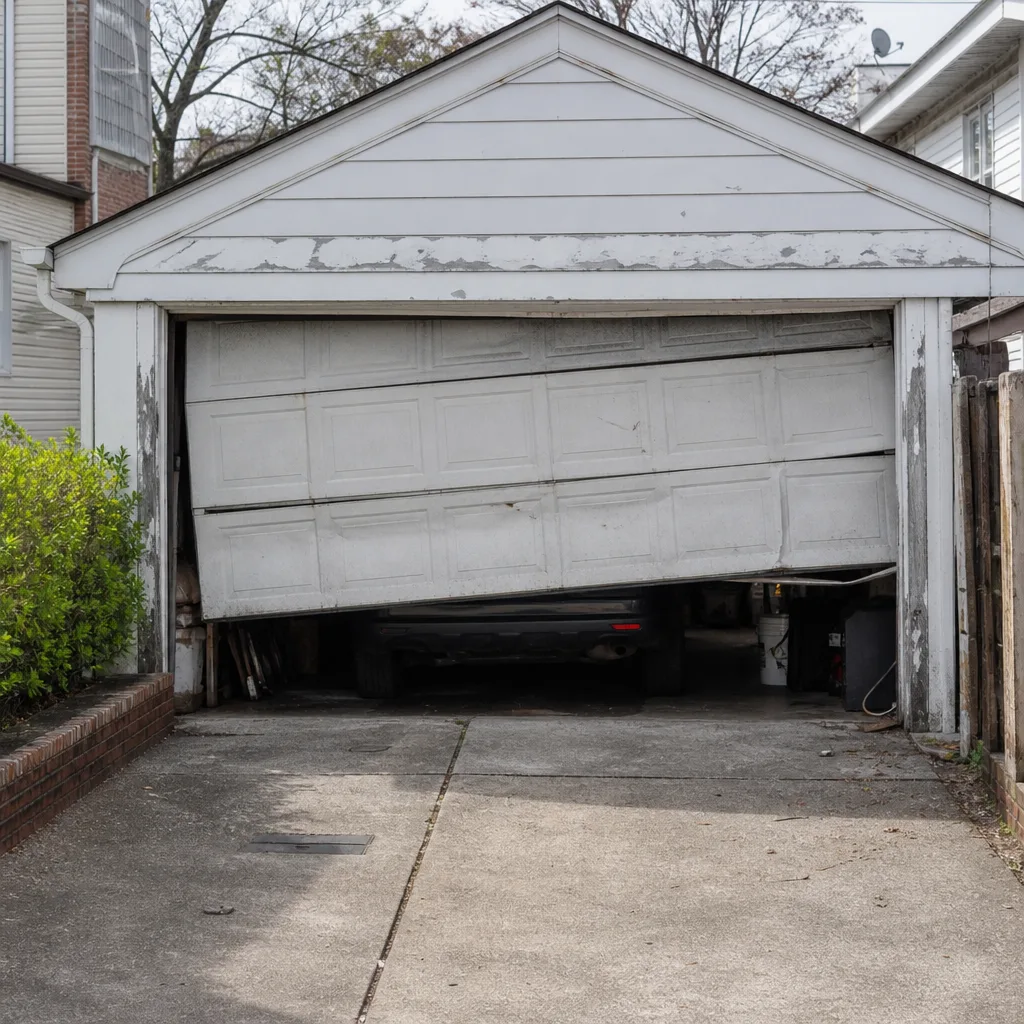 Before
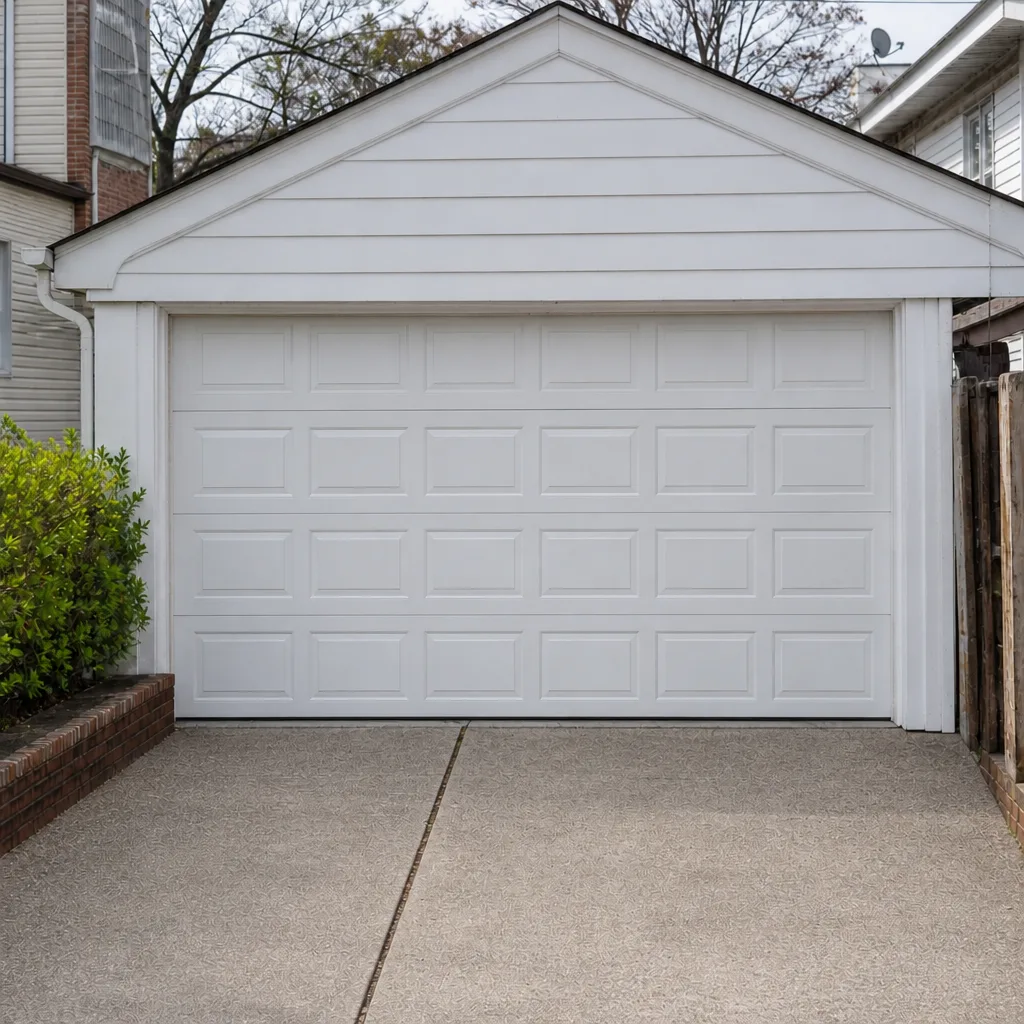 After
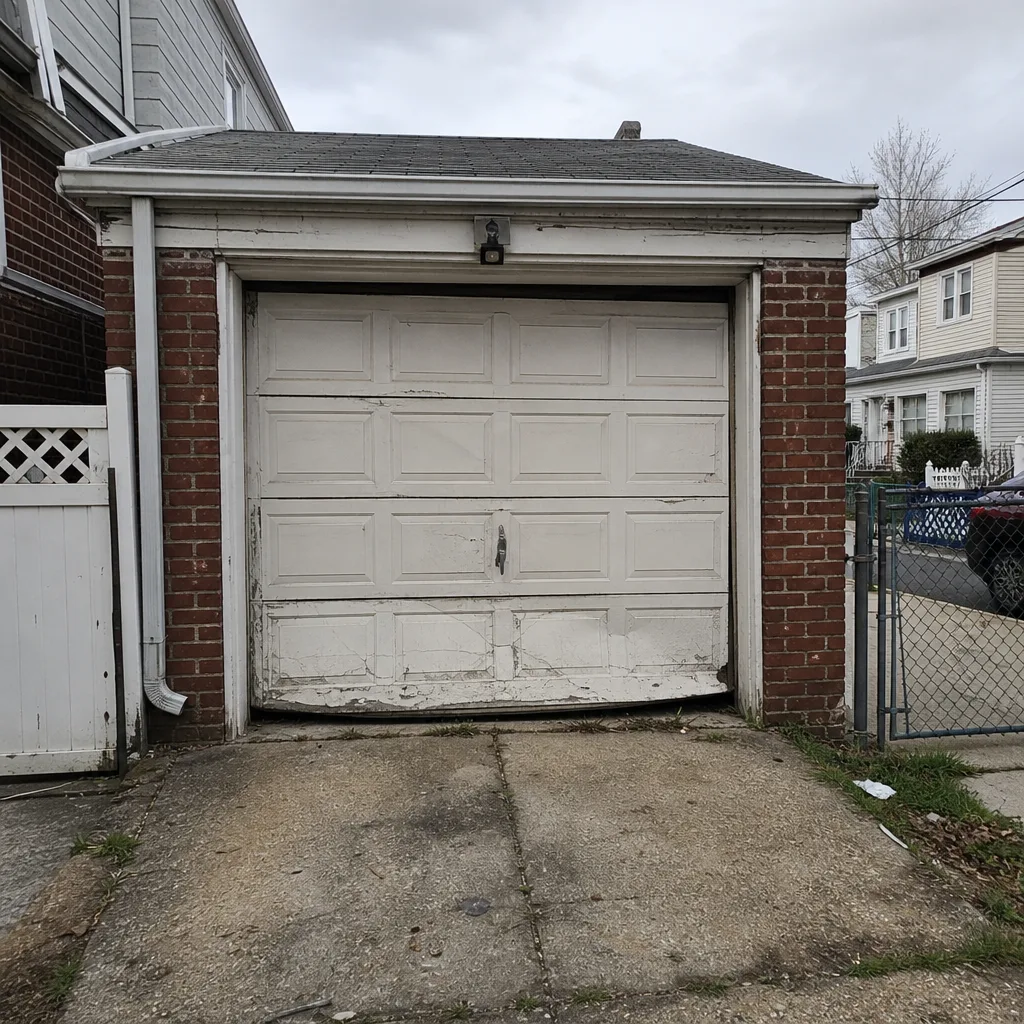 Before
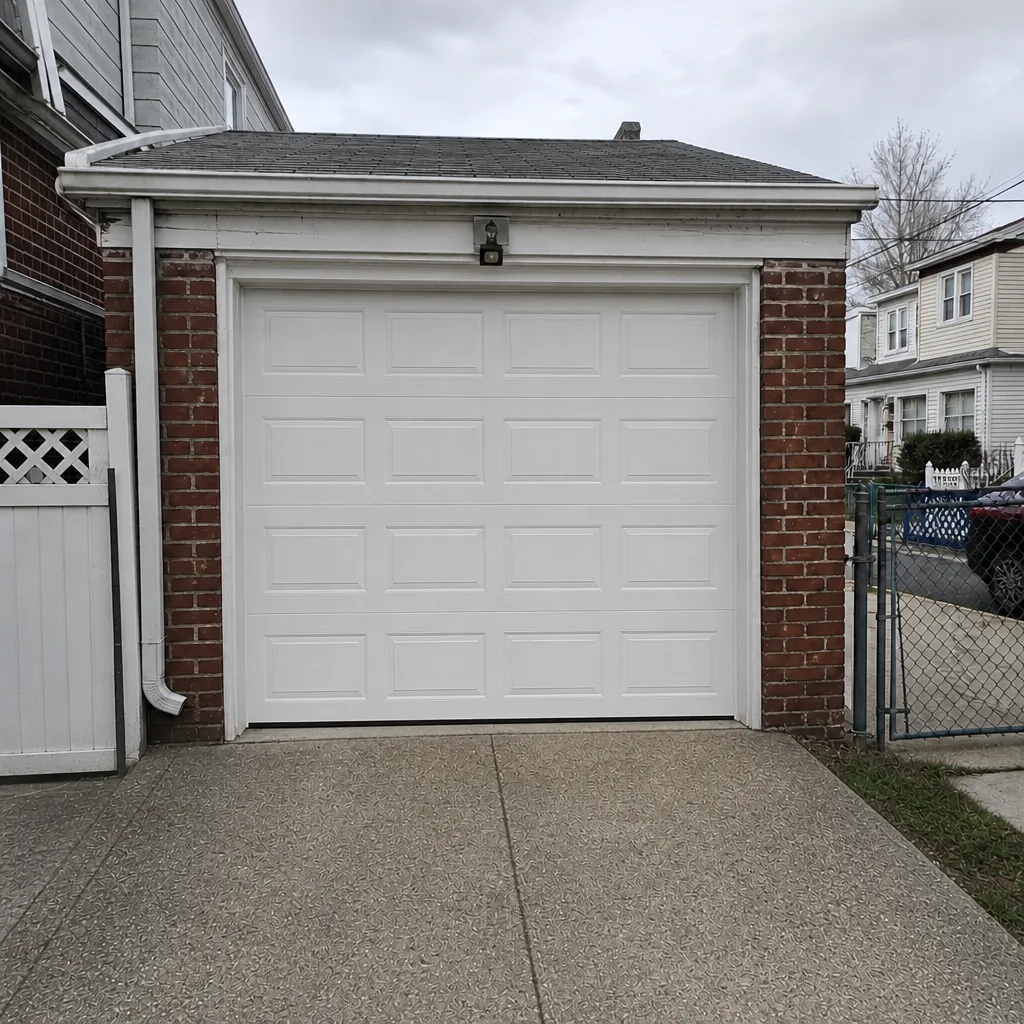 After
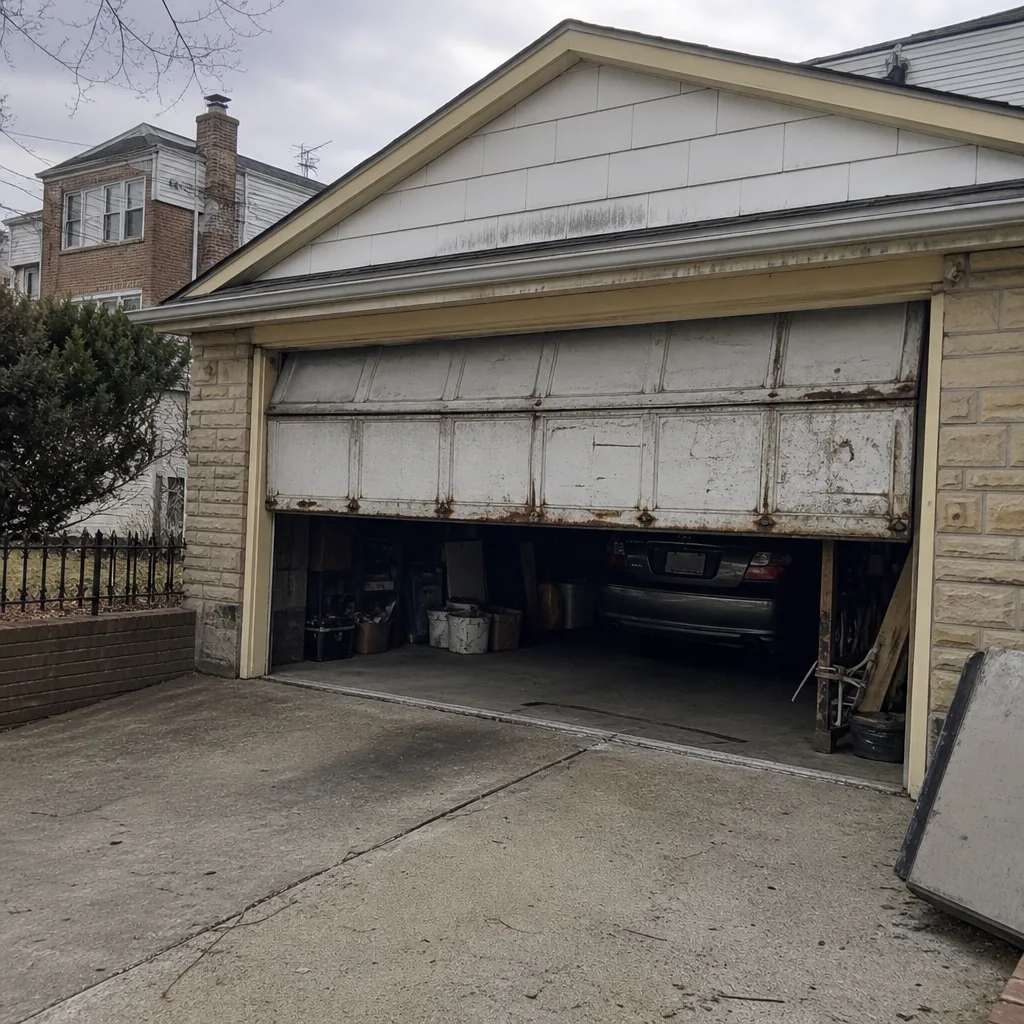 Before
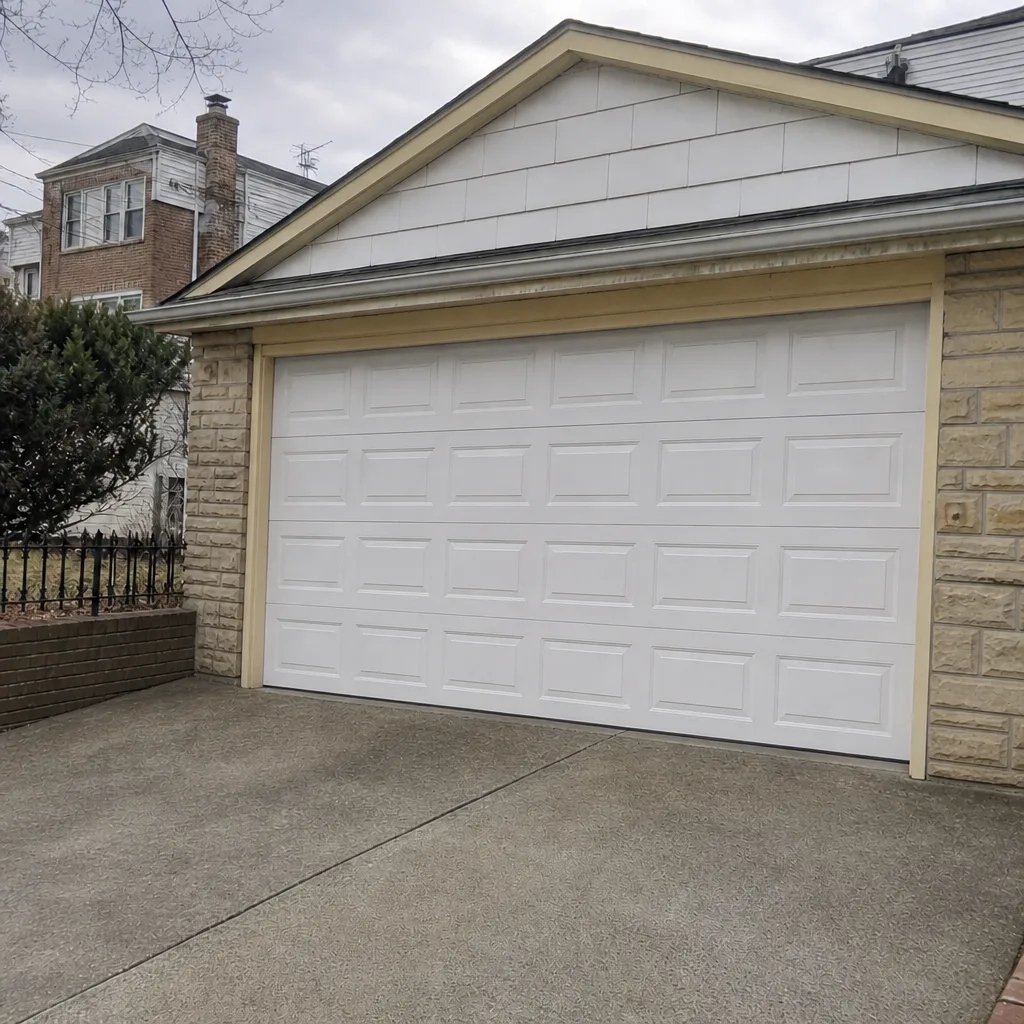 After