Last updated November 21, 2026
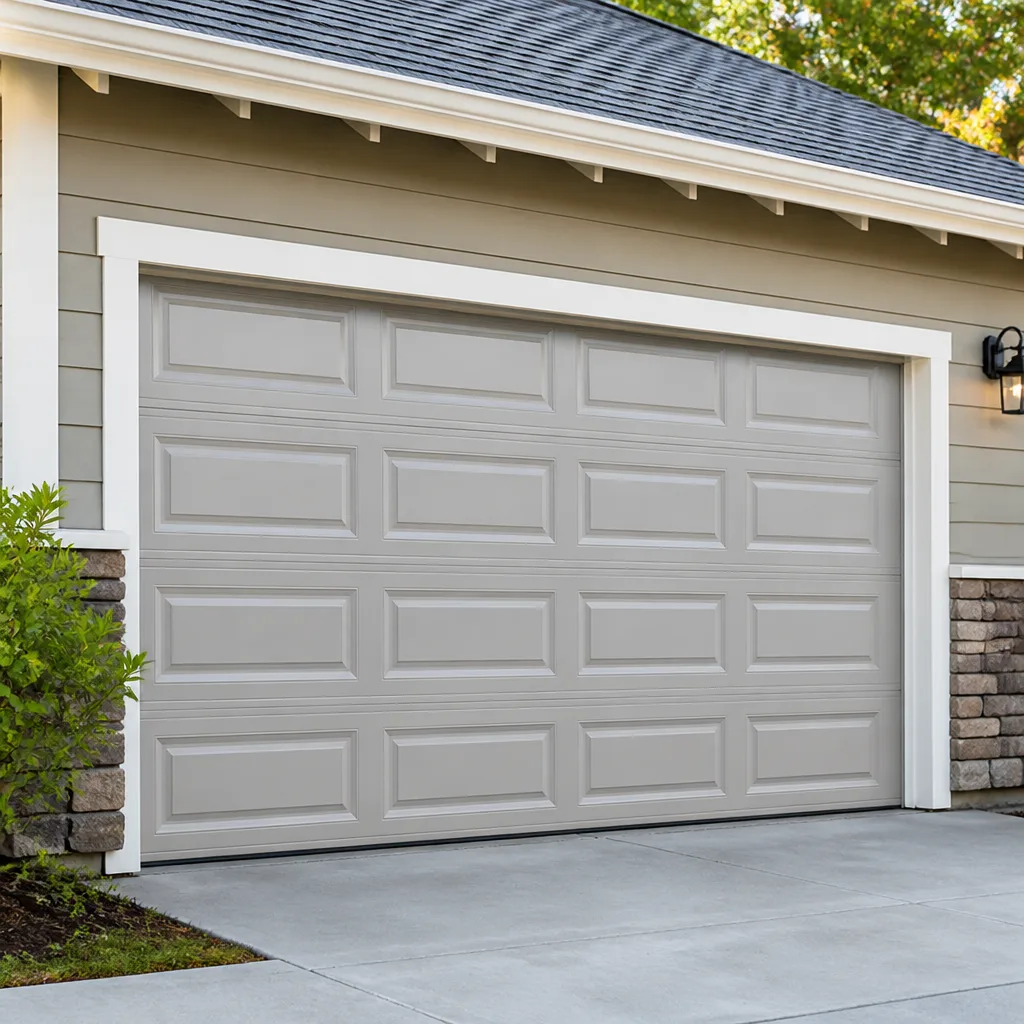 Raised-panel steel
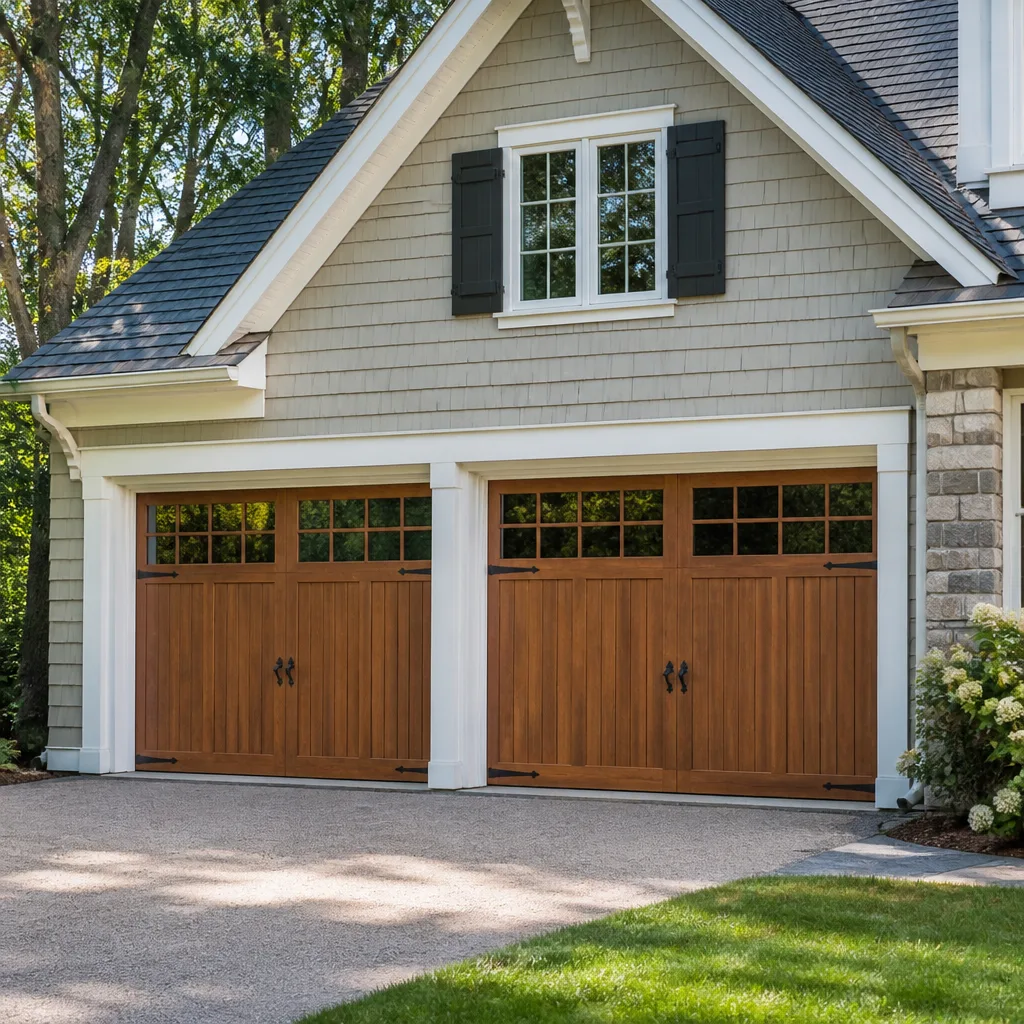 Carriage house
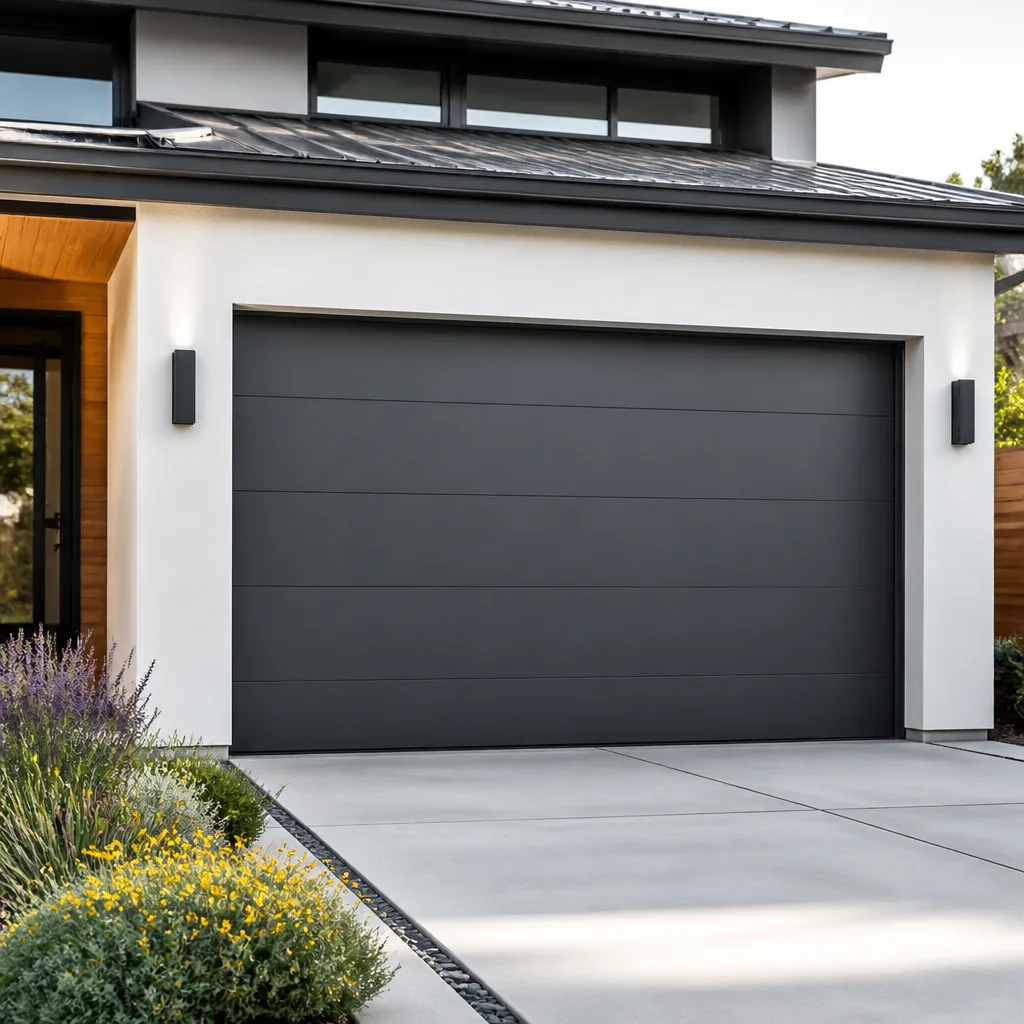 Modern flush
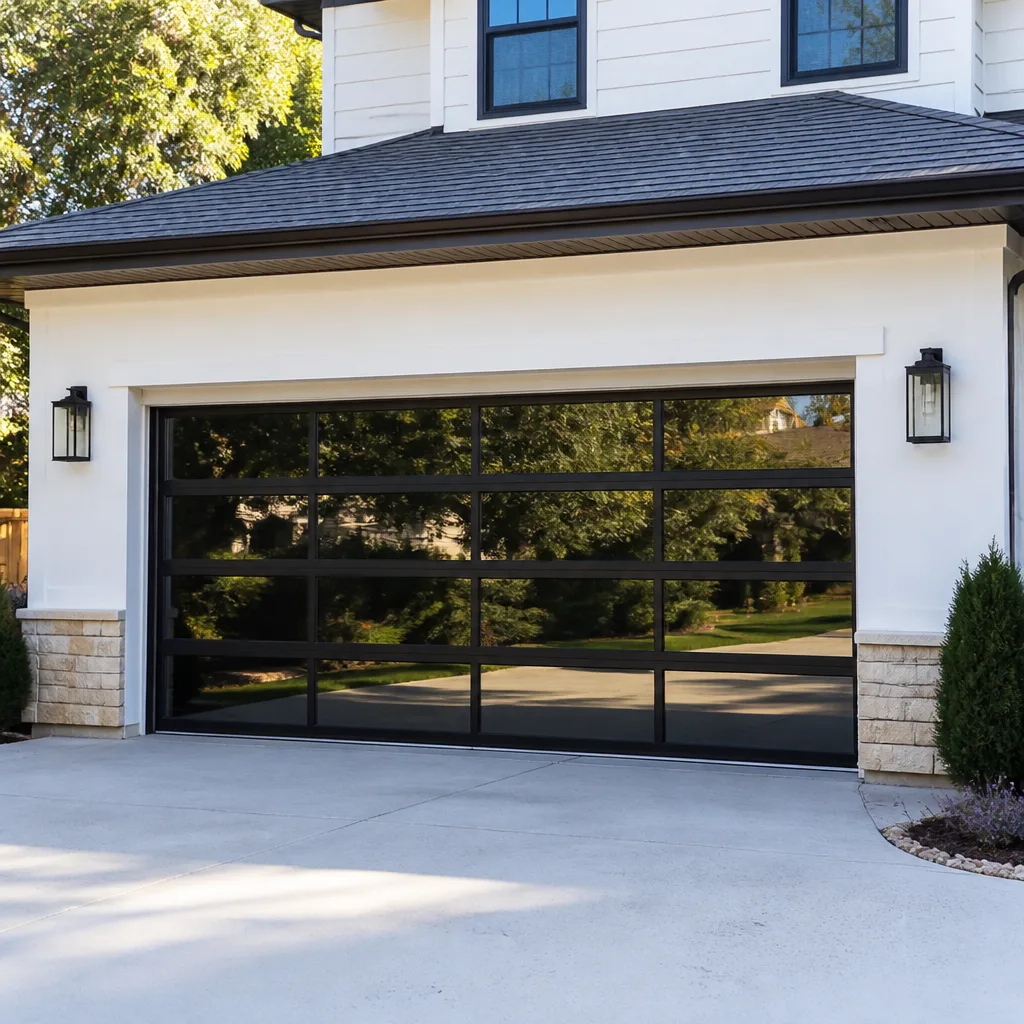 Full-view glass
 LiftMaster openers
 Chamberlain openers
Full 25-point door and opener safety check with every visit - springs, cables, rollers, tracks, and your LiftMaster or Chamberlain opener included
You get a price before we start. It does not change when the pro arrives.
Get your free estimateGarage Door Permits, Codes & Inspections in Jackson Heights, NY: What You Need to Know
Most homeowners in Jackson Heights replacing a garage door assume it’s a straight swap that skips the permit process. That assumption is where trouble starts. Under NYC Building Code, a replacement that changes the structural framing around the opening, even by a few inches, crosses into permitted work territory. “My contractor said it was fine” isn’t a defense you want to rely on when you sell the house and a title search turns up work with no paper trail. This guide maps exactly when a garage door job in Jackson Heights requires a permit, how the filing works through NYC’s Department of Buildings and Queens Community Board 3, what an inspection actually checks, and how to fix an unpermitted installation before it becomes someone else’s problem.
Quick Answer
In Jackson Heights, a garage door permit is typically required when the work changes the structural framing, the size of the opening, or a fire-rated assembly; a like-for-like door swap on the same tracks and framing often doesn’t need one. Filing goes through NYC’s Department of Buildings, and the permit application is separate from the door order. If you’re unsure which side of the line your job falls on, ask the DOB and get the answer in writing before anyone touches the opening.
Styles & brands we work with
- Raised-panel steel
- Carriage house
- Modern flush
- Full-view glass
- LiftMaster openers
- Chamberlain openers
Table of Contents
- When does a garage door project in Jackson Heights need a permit?
- How NYC DOB permits and Queens Community Board 3 fit together
- What an inspection looks for on a garage door replacement
- Title and insurance exposure from unpermitted garage work
- How to bring an unpermitted installation into compliance
- What paperwork to keep after the job
- How the permit and installation timeline usually runs
When does a garage door project in Jackson Heights need a permit?
The short version: a permit is triggered when the work touches structure, not when it only touches the door. Swapping a door panel or replacing a worn opener on existing hardware is maintenance. Cutting into a header, widening or narrowing the opening, altering the framing that carries the door’s weight, or replacing a fire-rated assembly that separates a garage from living space or an adjoining structure: that’s construction, and construction in New York City needs a permit through the Department of Buildings. The distinction matters in Jackson Heights because so many homes have detached or attached garages built decades ago, and openings that were modified without documentation are common.
Our technicians have up to 8 years of experience working on doors of every brand and configuration, and the single most common surprise we run into during a scheduled replacement is an opening that doesn’t match the original drawings. When the framing has been altered before, you’re not just installing a door, you’re documenting what’s already there. Here’s how to tell which category your job falls into:
- Likely no permit needed: replacing a door with the same size and type on the same tracks and framing, repairing or replacing springs, cables, rollers, hinges, or an opener, and any work that doesn’t change the opening or structure.
- Likely permit required: changing the width or height of the opening, removing or altering the header or framing, changing the type of door in a way that affects structural loading, replacing or modifying a fire-rated garage separation assembly, or any work the DOB classifies as structural alteration.
- Ask first: any job where the existing opening already looks non-standard, where a previous owner made undocumented changes, or where you’re not sure whether the assembly that separates the garage from the house is fire-rated.
For the door replacement itself, a proper measure happens before anything is ordered, so the door arrives matching the opening you actually have. You can see how that process works on our garage door installation page. If you’re only fixing hardware and not changing the opening, spring and panel work falls under garage door repair and doesn’t involve the DOB.
How NYC DOB permits and Queens Community Board 3 fit together
The Department of Buildings issues the permit. Community Board 3 is your local planning body, and its role depends on the scope and type of project: it reviews land use and zoning matters, and some applications that involve special permits or variances get referred through it. A standard garage door replacement that requires a DOB permit is usually a DOB matter, but if your project touches zoning or land use, Community Board 3 is where Queens residents get local review and where you can raise questions before you file.
For a homeowner in Jackson Heights, the practical sequence looks like this:
- Confirm the scope. Decide in writing whether the job changes structure, opening size, or a fire-rated assembly. That answer decides whether you’re in the permit lane at all.
- Check with the DOB. Ask the Department of Buildings directly about your specific project. Building departments are used to scope questions and the answer is what governs your job.
- Know where Community Board 3 sits. If the project involves zoning or a special permit, the community board’s review is part of the process. If it’s a plain structural alteration, the DOB leads and CB3 is informational.
- Get the door measured and ordered only after scope is settled. Ordering a custom door before the permit question is answered is how money gets spent twice.
We work with homeowners across Jackson Heights on the door side of this process and always recommend getting the permitting question settled first, then scheduling the measure. That way the door, the framing, and the paperwork all line up.
What an inspection looks for on a garage door replacement
A garage door inspection is not a pass/fail on cosmetics. The inspector is checking whether the installed work matches the approved scope and whether the assembly is safe and correctly fastened. In our experience, the items that come up most often on a Jackson Heights garage door replacement are:
- Structure and fastening. Is the door’s weight carried properly by the framing, and are the tracks and brackets secured to structural material?
- Opening size and alignment. Does the finished opening match the approved dimensions, and does the door open and close without binding?
- Fire-rated assembly. Where the garage shares a wall or ceiling with living space, does the assembly separating them meet the fire-rating the code requires?
- Hardware and safety devices. Are the springs, cables, and safety features installed and functioning as they should? A trained technician sets tension, balances the door, and confirms a safety reverse on the opener is working before the job is called complete.
- Headroom and clearance. Are the tracks level, the door’s travel clear, and the opener mounted within spec?
How to prepare for the inspection without surprises: keep the approved drawings and permit card on hand, photograph the opening before any framing work, and note the door and opener models you installed. If you’re running a LiftMaster or Chamberlain opener, have the manual and the safety-reverse confirmation ready; inspectors ask. A door that’s off-track or a spring that’s been undersized shows up on inspection day and turns a one-visit approval into two. If you want the balance and tension work handled by someone who does it every week, that lives under garage door opener repair and our spring and mechanical service.
A word on safety: torsion and extension springs, cables, and the door’s lifting hardware are under heavy stored tension. If a spring or cable is broken, loose, or looks off, don’t handle it yourself. That work is genuinely dangerous and belongs to a trained professional. Our technicians have up to 8 years of experience with spring and cable work specifically, and we keep our hands off the parts that can hurt someone.
Title and insurance exposure from unpermitted garage work
The permit process looks like red tape until you try to sell or insure the house. Unpermitted garage structural work can surface in a few places:
- Title search. A buyer’s title company is looking for open permits and unrecorded work. A garage alteration with no permit trail can stall a closing and force remediation before the sale goes through.
- Homeowner’s insurance. If a loss involves a structural change that wasn’t approved, your insurer can ask whether the work was permitted. How they handle the claim depends on your policy; the point is that unpermitted work gives a carrier a question to ask that permitted work doesn’t.
- Mortgage and refinance. An appraiser or underwriter can flag unpermitted structural changes, and the lender can require proof of compliance before lending.
- Resale disclosure. In New York, you’re expected to disclose known issues, and “I didn’t know” gets harder to say once you’ve read a guide like this.
None of this is a reason to panic if a past owner made changes without a permit. It’s a reason to find out, document what you have, and fix the gaps. An unpermitted installation isn’t a permanent mark; it’s a project with a defined path to compliance.
How to bring an unpermitted installation into compliance
This is the part most guides skip. If a garage door was installed in Jackson Heights without a permit and one was required, here’s the practical sequence to bring it into line:
- Find out what was actually done. Compare the current opening and framing against what’s documented. If there’s no documentation, photograph and measure every dimension.
- Talk to the DOB. Ask what the Department of Buildings needs to bring the work into compliance. In some cases that’s a retroactive filing with the original scope; in others it’s a fresh permit and inspection of the existing work.
- Get the door brought up to current safe condition. Before any inspection, confirm springs are rated correctly, the door is balanced, the tracks are plumb and secure, and the opener’s safety reverse works. A non-compliant installation is rarely just a paperwork problem.
- File and schedule the inspection. The permit application and the inspection are separate steps. Expect to have the approved drawings on hand during the inspection.
- Keep every document. The permit card, inspection sign-off, photographs, and receipts are what you show a buyer, appraiser, or insurer later. A folder with the full record is worth more than a verbal assurance.
We handle the door side of this work in Jackson Heights: setting the opening up to code, correcting unsafe spring or track installation, and confirming the system operates the way it should before the inspection. The permit filing itself is your responsibility or your licensed contractor’s; we’ll tell you plainly what we see and what needs correcting so nothing catches you off guard.
What paperwork to keep after the job
Once the job is done, the file matters as much as the door. Here’s what to hold onto:
- Permit card and approved drawings. If a permit was pulled, keep the signed-off card and the approved plans with the door’s documentation.
- Inspection sign-off. The approval from the inspector is your proof the work passed.
- Door and opener specifications. Model numbers, sizes, and weights, so a future repair or replacement doesn’t start from scratch.
- Installation receipts and warranty documents. Useful for both repairs and resale disclosures.
- Photographs. Before, during, and after. They’re worth more than any verbal description if a question comes up.
A simple garage-door folder keeps the whole arc of a door’s life together: the original install, every repair, and every inspection. We’d rather see that folder than a homeowner’s memory any day.
How the permit and installation timeline usually runs
A permitted garage door project in Jackson Heights is measured, ordered, and scheduled, not rushed. The sequence typically runs like this:
- Scope and measure. We confirm the door’s size and opening, and you decide whether a permit is needed based on the scope.
- Permit filing. If a permit’s required, the application goes in through the DOB before installation. The door can be ordered in parallel, but it isn’t installed until the permit is in hand.
- Scheduling and installation. Once the permit’s approved and the door’s on site, the install is scheduled and completed.
- Inspection. After install, the job is inspected against the approved scope. Corrections, if any, are scheduled and completed before sign-off.
- Sign-off and record. The approved card goes into the folder along with the specs and photos.
Because the door is measured and ordered before installation, there’s no same-day promise on this work. What we promise is a free measure and a written price, and the written estimate sets the final price. That’s the number you plan around, before anyone orders anything.
Common Mistakes to Avoid
- Assuming a door replacement is always permit-free. If the opening’s framing changes, even by inches, that’s structural territory and it needs a permit. Ask the DOB before the door is ordered.
- Ordering a custom door before the scope is settled. A non-standard opening or an unpermitted change from a past owner can force a re-measure and a second order. Get the permit question answered first.
- Signing off on a job with no inspection sign-off. A permit without a passed inspection is half a job. The paper trail is what protects you when you sell or insure the home.
- Treating a fire-rated separation as cosmetic. The wall between the garage and living space has a fire rating for a reason. Any work on that assembly belongs with a licensed contractor who knows the requirement.
- Handling a broken spring or loose cable yourself. Springs and cables carry serious stored tension. A Jackson Heights homeowner shouldn’t touch them. That’s the one part of this trade where a mistake can cause serious injury.
- Keeping no paperwork. No permit card, no photos, no specs is the same as unpermitted work when a buyer’s title search starts asking questions.
- Choosing a generalist for structural door work. The trades around a garage door aren’t interchangeable. A door specialist sees the framing, tracks, springs, and opening as one system.
See the difference
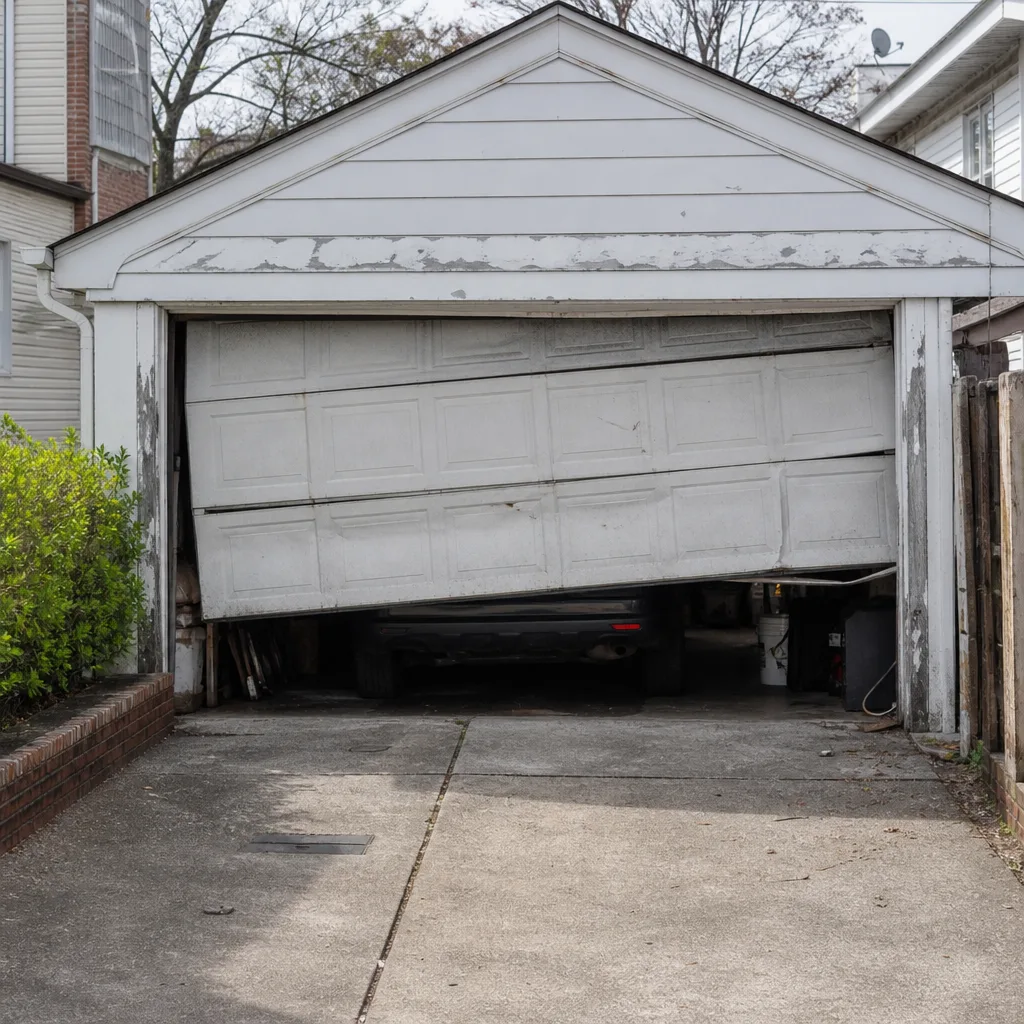 Before
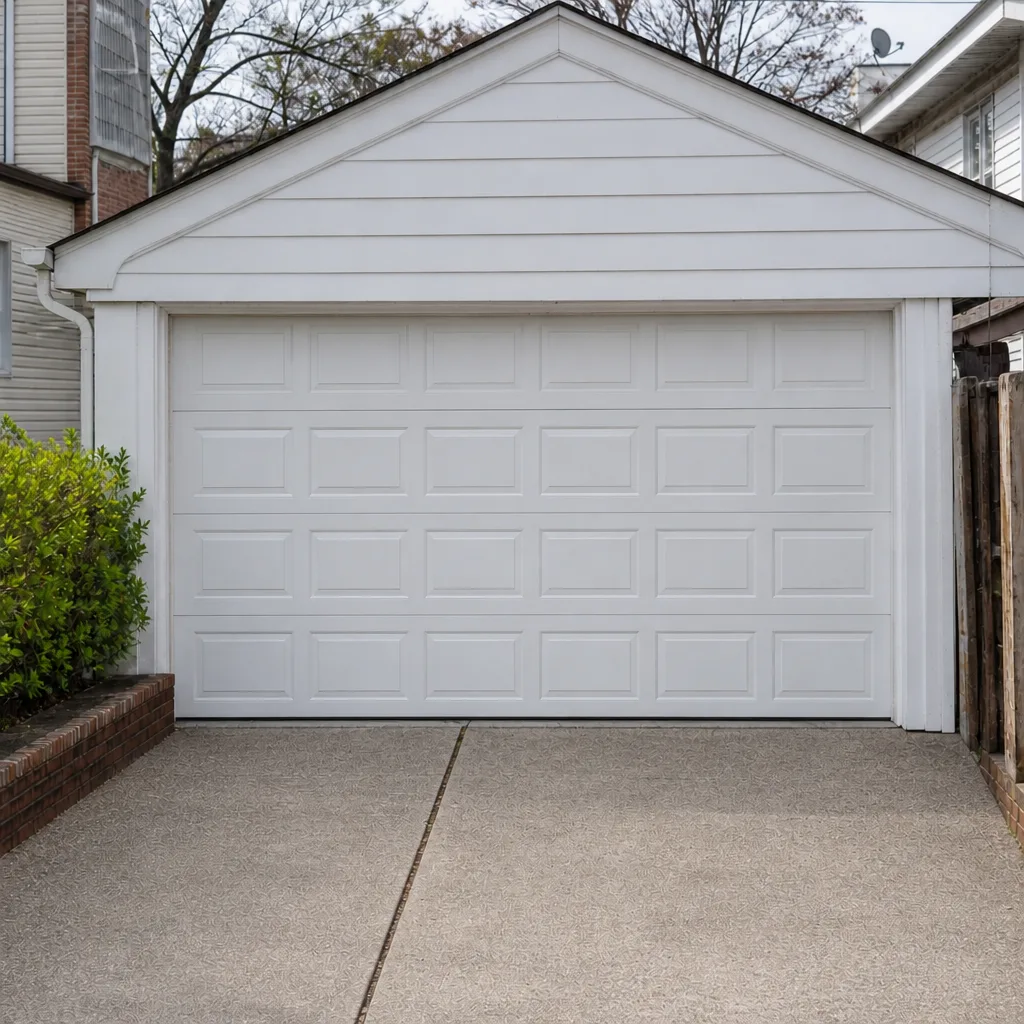 After
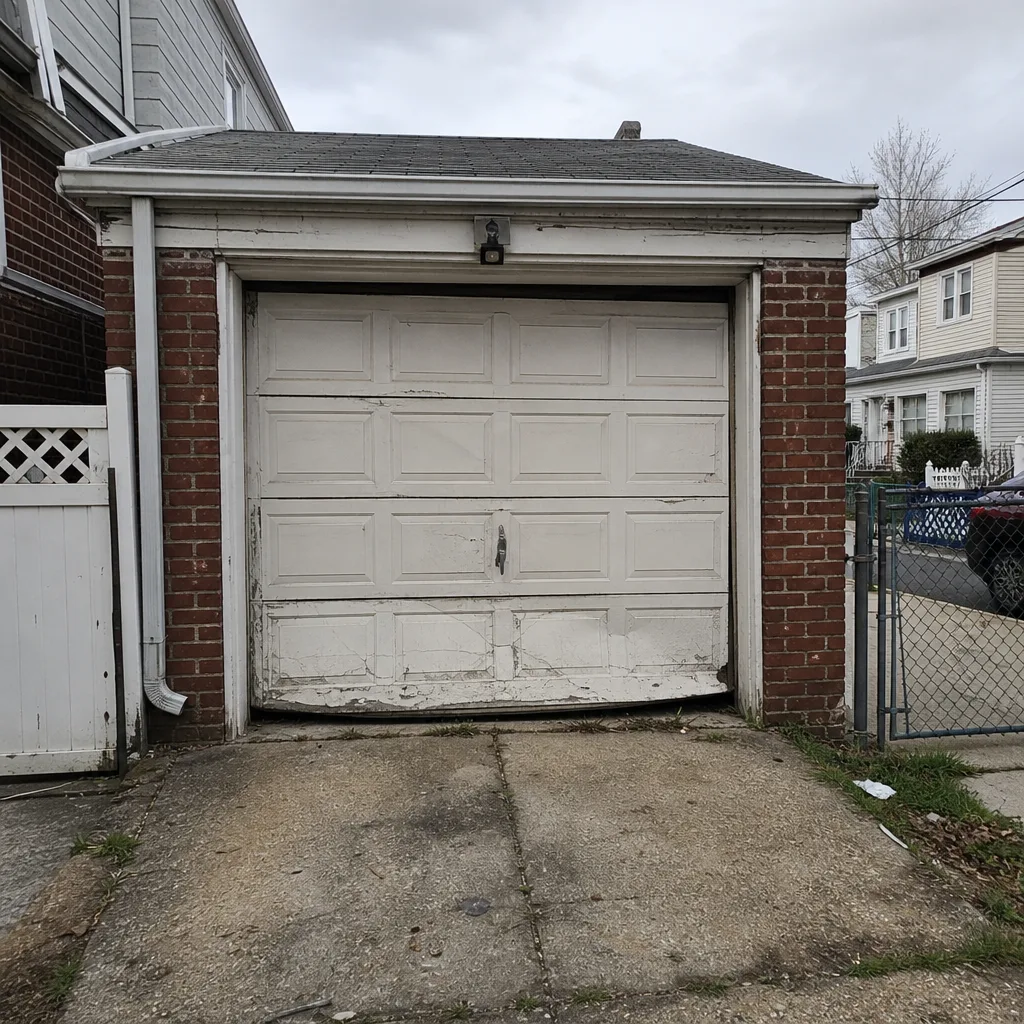 Before
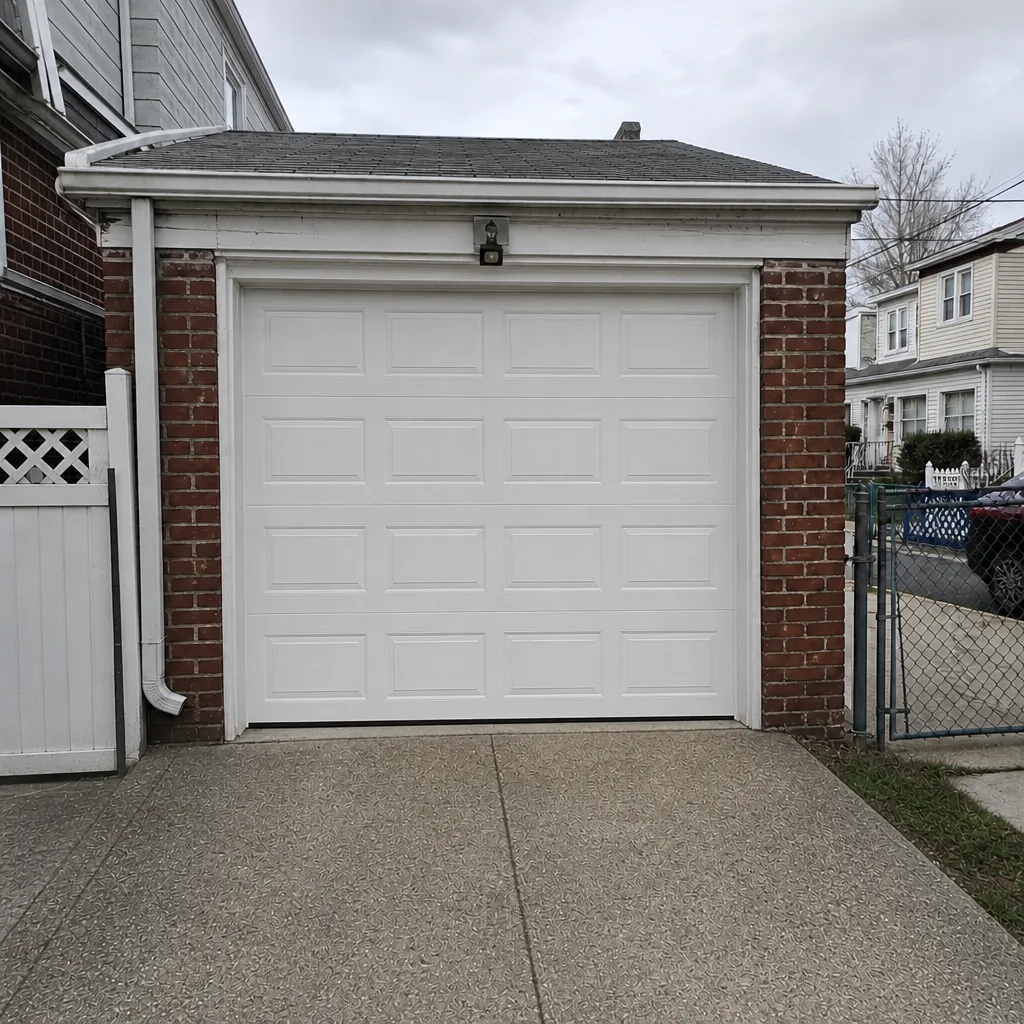 After
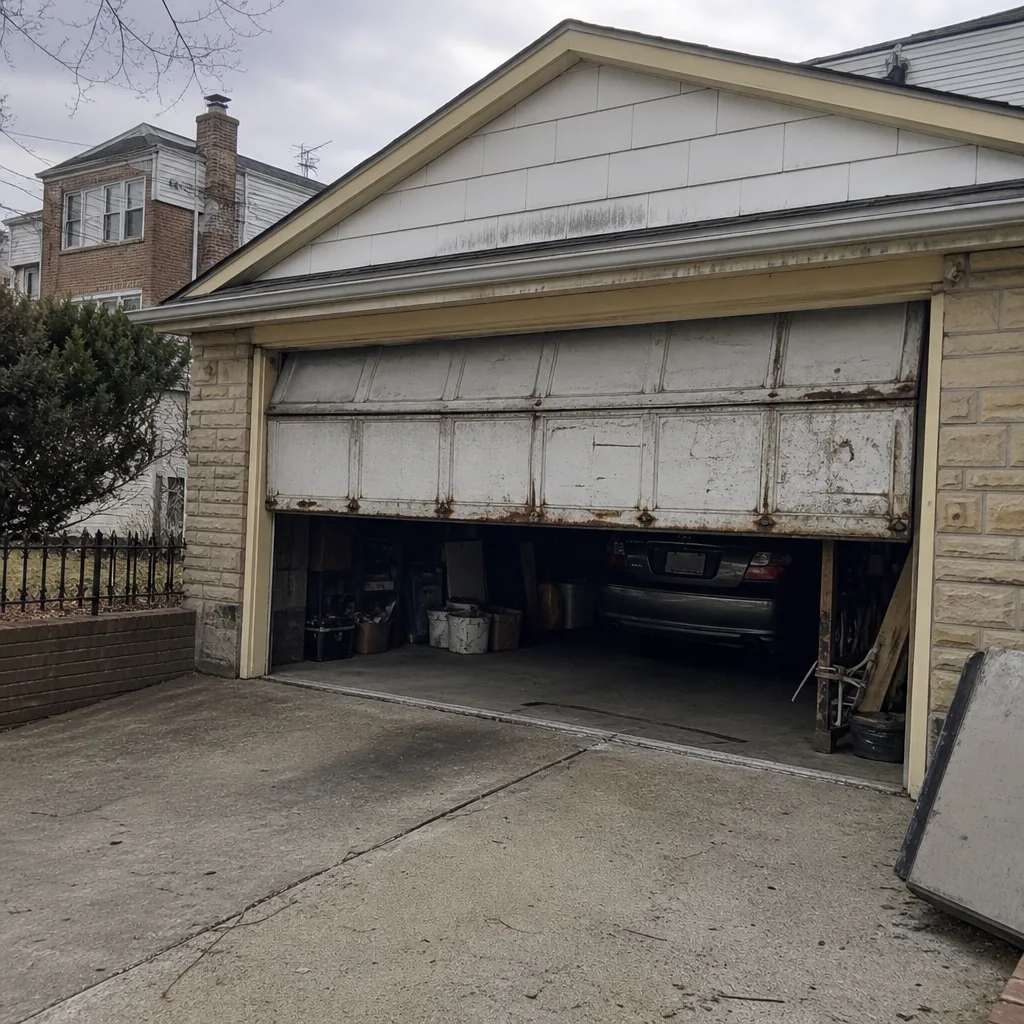 Before
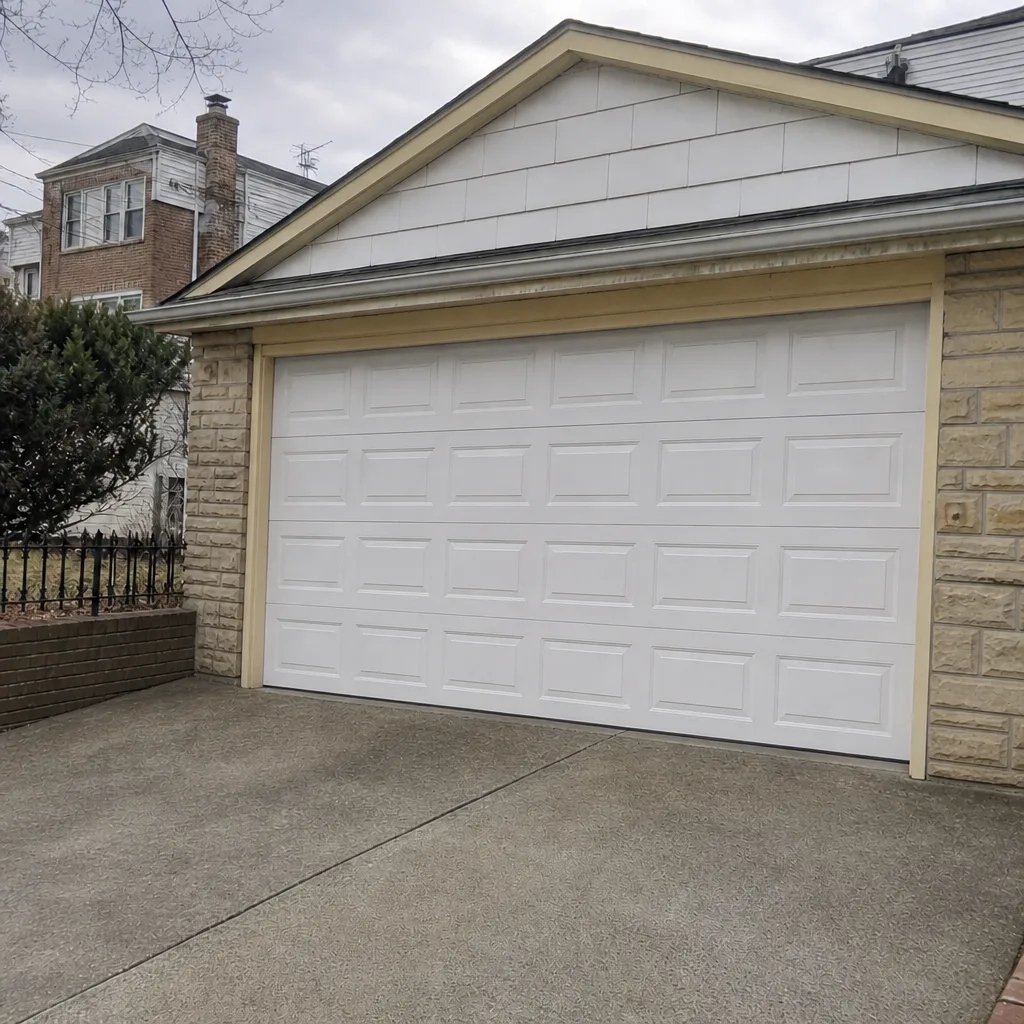 After
When to Call a Professional
Call a professional for anything that changes the structure of the opening, anything involving a fire-rated assembly, any spring or cable work, and any job where the existing framing doesn’t look like what should be there. A door that’s off-track, a spring that’s snapped, an opener that’s failed and left the door stuck, or an opening that’s out of square after a prior owner’s work: those are all jobs for a trained technician. Jackson Heights Garage Door Repair offers free estimates in Jackson Heights, and we can walk through the permit question and the door scope with you in one visit. Call (833) 402-5989 for a free estimate. Our technicians have up to 8 years of experience, and we work on the brands commonly installed in Jackson Heights homes, including LiftMaster, Chamberlain, Genie, and Clopay.
Frequently Asked Questions
It depends on whether the job changes structure. A like-for-like replacement on the same tracks and framing often doesn’t need a permit. Any job that changes the opening’s size, modifies the header or framing, or replaces a fire-rated assembly generally does. Ask the NYC Department of Buildings about your specific scope, and call (833) 402-5989 for a free estimate. Estimates are free.
The permit comes first when one is required. The door can be ordered in parallel, but it isn’t installed until the permit is approved. Setting the scope and confirming the permit question before ordering a door avoids paying for a re-measure. Call us for the measure and a written price.
It checks that the installed work matches the approved scope: framing and fastening, opening dimensions, fire-rated assemblies, hardware and safety devices, and the door’s balance and travel. A door that’s off-track or poorly balanced will fail inspection and cost you a second visit. Book a measure and we’ll flag anything that needs correcting before the inspection.
You can usually bring it into compliance rather than live with the problem. Contact the DOB, ask what they need for a retroactive filing or a fresh permit, and correct any safe-condition issues before the inspection. Unpermitted work can surface in a title search or an insurance claim. Call us and we’ll tell you what needs fixing on the door side. Estimates are free.
Usually not for a standard door replacement. Community Board 3’s role comes into play for land use and zoning matters and certain special permits. A typical DOB permit for structural garage door work is handled through the Department of Buildings. Call the DOB first, and call us for the door.
Permit fees are separate from the door and installation and depend on the scope. The main cost of an unpermitted job shows up later: a stalled sale, an insurance question, or remediation work. Get the door price in writing before you commit, and the written estimate sets the final price. Call (833) 402-5989 for a free estimate.
The local pro performing the work is licensed and insured as their state requires. Ask for those details when you book, and confirm the door specialist you choose handles residential work, springs, openers, and structural framing correctly. Call (833) 402-5989 for a free estimate.
The Bottom Line
A garage door replacement in Jackson Heights is a simple project when it’s just the door, and a permitted, documented one when the opening’s structure changes. Get the scope question answered by the DOB before anything is ordered. Keep the permit card, the inspection sign-off, and the photos in the same folder as your door specs. If a past job was done without a permit, the path to compliance is defined, and the door has to be safe before the inspection anyway. If you’re ready to start, Jackson Heights Garage Door Repair offers free estimates, and we’ll walk you through the permit question and the door scope together. Call (833) 402-5989 for a free estimate.
Get the door measured, the scope settled, and the paperwork straight from the start. Call (833) 402-5989 for a free estimate from Jackson Heights Garage Door Repair.
Written by the team at Jackson Heights Garage Door Repair.