Last updated November 21, 2026
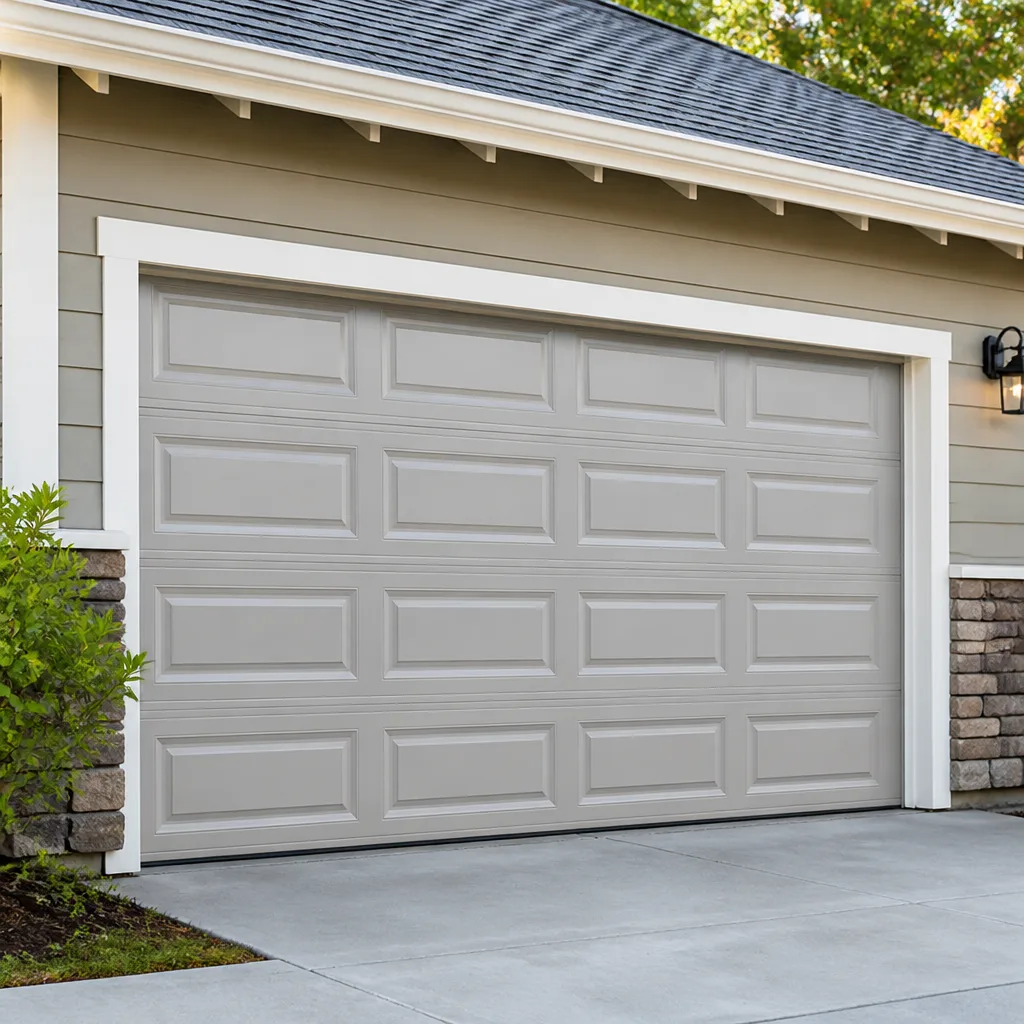 Raised-panel steel
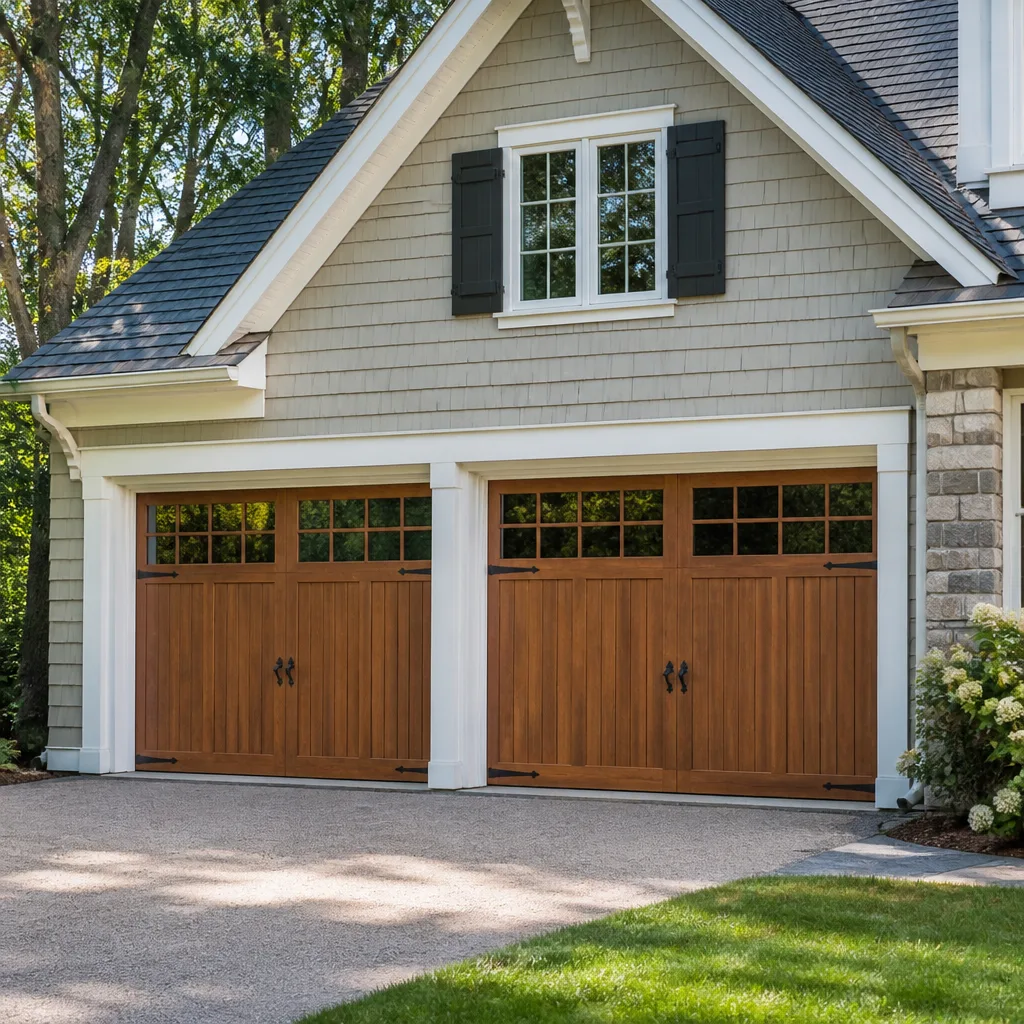 Carriage house
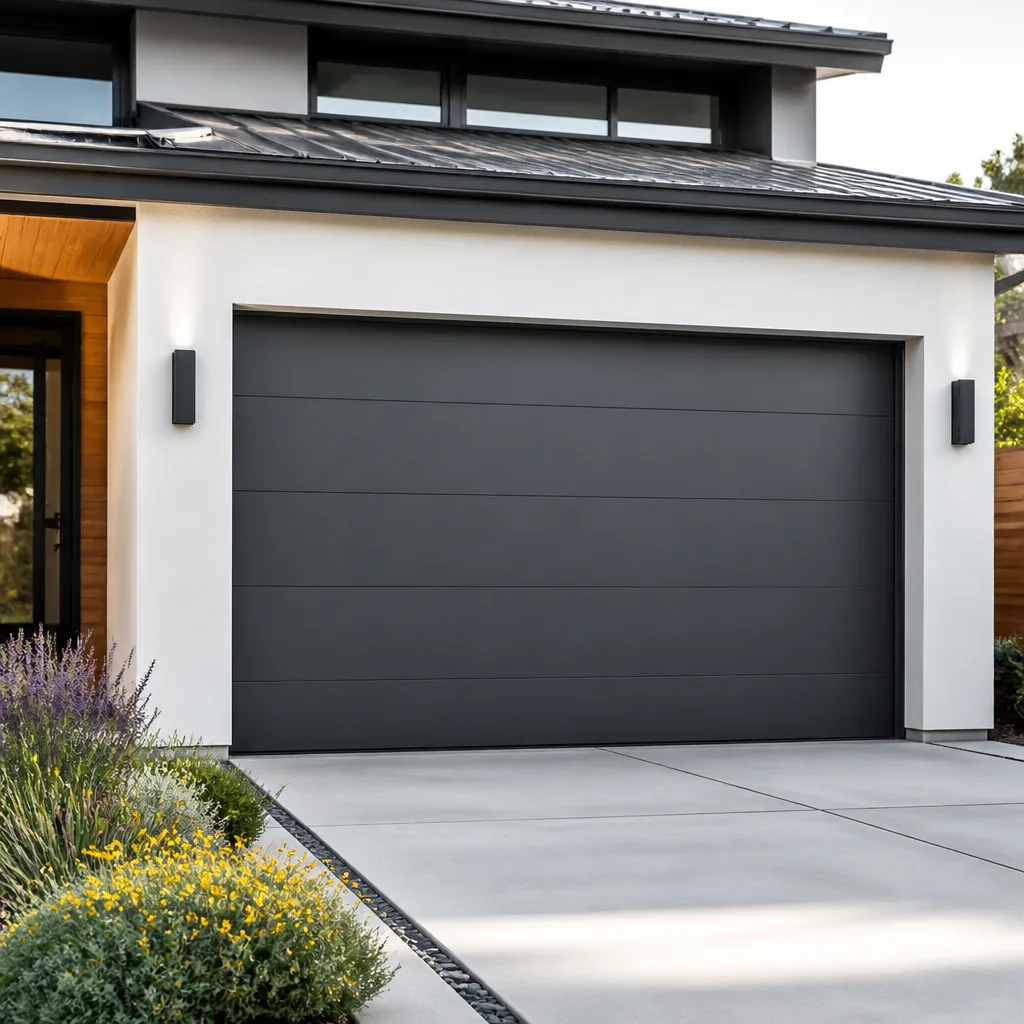 Modern flush
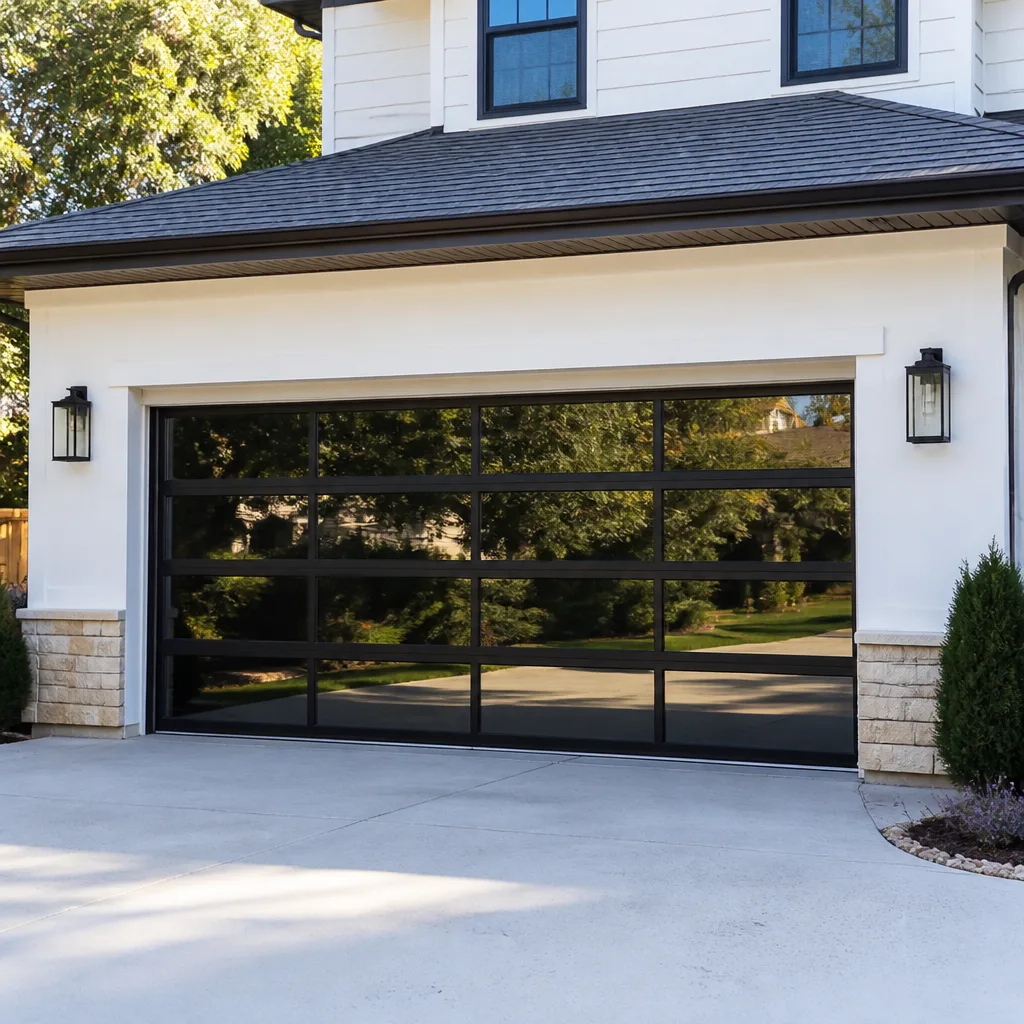 Full-view glass
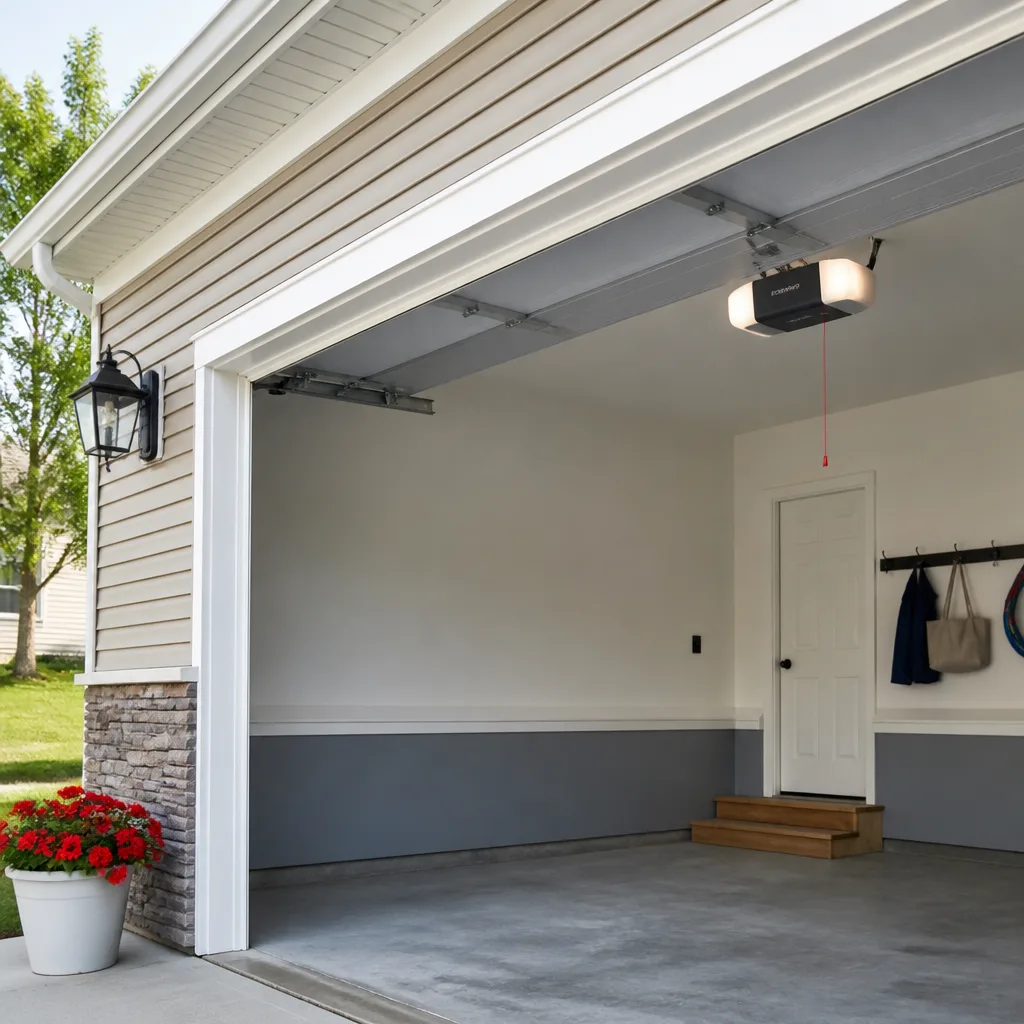 LiftMaster openers
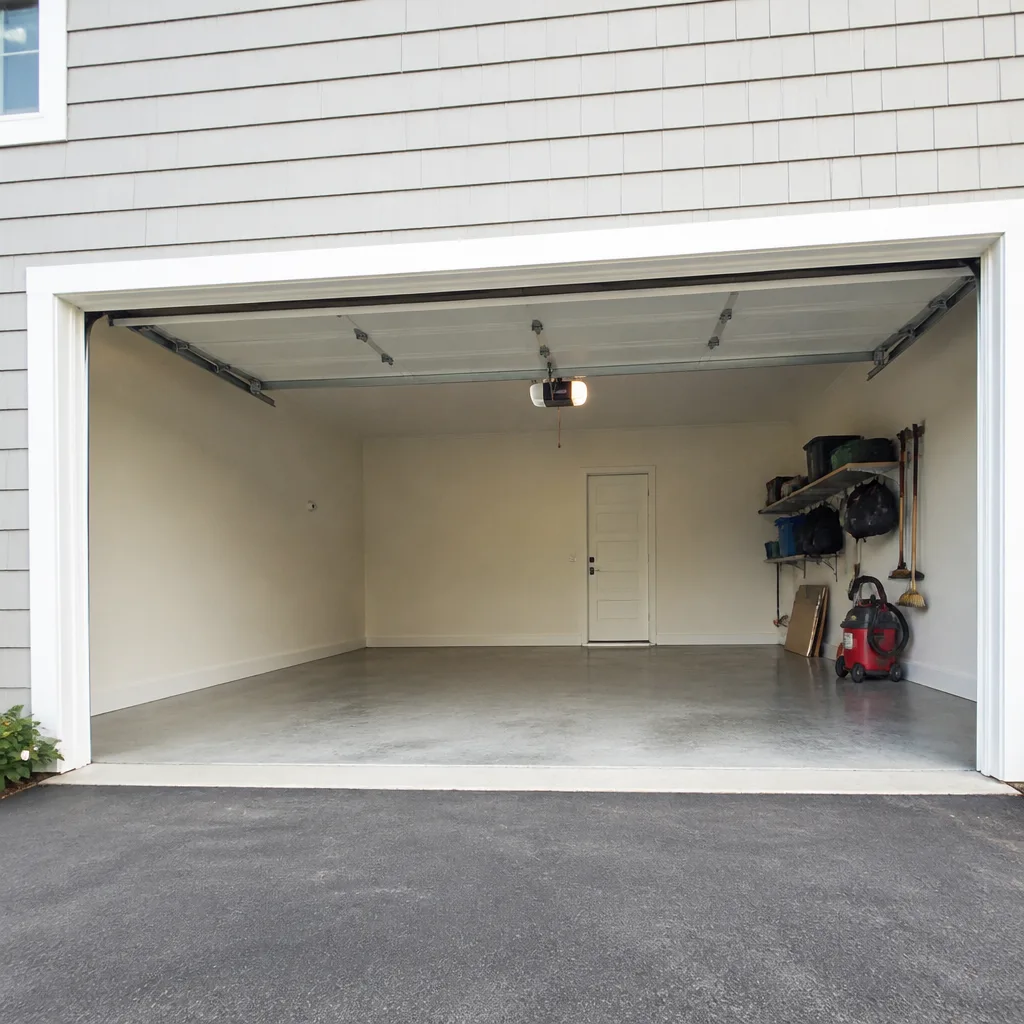 Chamberlain openers
Full 25-point door and opener safety check with every visit - springs, cables, rollers, tracks, and your LiftMaster or Chamberlain opener included
You get a price before we start. It does not change when the pro arrives.
Get your free estimateDIY vs Professional Garage Door: The Jackson Heights Homeowner’s Decision Guide
Here’s the part most DIY-versus-pro advice gets wrong. Our view isn’t that garage doors are too dangerous to touch. Some of the work is genuinely doable with a socket set and an afternoon. The real issue is that garage door components sit in two categories: parts under heavy mechanical tension, and parts under live electrical load. A half-finished repair in either category is worse than the original problem, not better. A homeowner who confidently swaps a noisy roller on a Saturday and then eyes the springs on Sunday hasn’t leveled up. They’ve stepped into a completely different risk class, where the hardware above their head is holding 150-plus pounds of stored energy that no video can teach you to respect. This guide draws the line precisely, so you know what’s yours to take on and what isn’t.
Quick Answer
Safe DIY garage door work in Jackson Heights covers rollers, hinges, weather seals, visual inspections, lubrication, and a few opener button and travel adjustments. Everything involving springs, cables, the counterbalance system, or a door that has come off its tracks belongs to a trained professional, because those parts store enough energy to cause serious injury when handled wrong. Opener electrical work and motor or logic-board faults are also best left to a specialist. The dividing line isn’t “easy versus hard.” It’s “low tension versus high tension.”
Styles & brands we work with
- Raised-panel steel
- Carriage house
- Modern flush
- Full-view glass
- LiftMaster openers
- Chamberlain openers
Table of Contents
- What’s Actually Safe to Do Yourself
- Why Torsion Springs Are a Different Animal
- How Jackson Heights Housing Changes the DIY Math
- The Real Cost of DIY vs Professional Repair
- When a DIY Repair Goes Wrong: What to Do First
- Openers and Smart Systems: Where DIY Usually Stops
- How to Choose a Reputable Garage Door Pro
- Common Mistakes to Avoid
What’s Actually Safe to Do Yourself?
Rollers, hinges, and weather seals are safe for a homeowner with standard tools and no prior experience, and they’re the jobs worth doing yourself. These parts are not under counterbalance load. The door stays on its springs, you’re just replacing small components that rotate, hinge, or seal. A set of basic hand tools, a step stool, and a willingness to work slowly is enough.
The safe DIY short list in Jackson Heights looks like this:
- Rollers: Nylon rollers get flat, crack, and start squealing. Swapping them one at a time with the door fully down is a mild job. The springs behind the door do the lifting; the rollers just guide it.
- Hinges: Worn hinges rattle and can make the door clang. Replacing them at the pivot points is straightforward work.
- Weather seal and bottom rubber: A brittle bottom seal lets drafts, rain, and pests under the door. Most seals slide into a channel and pull out the same way.
- Lubrication: A dry white lithium spray on rollers, hinges, and the opener chain quiets a noisy door and slows wear. This one task prevents a lot of future repair.
- Visual inspection: Looking for frayed cables, worn rollers, bent tracks, and rust at the hinge points is something any homeowner can and should do a few times a year.
- Opener force and travel adjustment: If your opener’s travel limit drifts, the adjustment screws on the back of the unit are a reasonable DIY fix on most LiftMaster or Chamberlain openers. The specific procedure varies by model, so check the manual for yours.
What aligns all of these: nothing in that list changes the amount of stored tension in the system. You’re replacing wear items, not rebalancing the door. Once a task requires you to touch or work around the springs, the cables, or the door’s counterbalance, the category changes entirely, and that’s where our garage door repair work begins.
Why Torsion Springs Are a Different Animal
Torsion springs must be wound under load to lift the door, and that stored force stays in the spring at all times, even when the door isn’t moving. On a typical residential door, the spring or springs above the door hold enough energy to lift the full weight of the door plus the panels, and when a spring is being replaced, that energy is concentrated in the spring itself. That’s the mechanical reason spring work isn’t advanced DIY: it isn’t like the other repairs, it’s a different system.
Here’s what actually happens in the spring system:
- The torsion spring is wound around a steel shaft above the door and anchored at one end.
- As the door closes, the spring winds tighter, storing energy.
- As the door opens, the spring releases that energy to help lift the door.
- If the spring snaps, it does so with a violent release of stored force, which is why spring replacement and winding are jobs for someone trained in the procedure.
Cables are the second half of that system. They run from the bottom corners of the door up to the drums on the torsion shaft, and if a cable goes slack, the door can drop or come off its tracks. Cables are under tension with a working door, but they’re rarely under the same kind of stored energy as a torsion spring. Either way, cutting into a cable or a spring is where homeowners get hurt.
Jackson Heights’s weather adds its own pressure. Winters are cold and wet, and a garage door that gets a lot of moisture around the bottom seal can corrode the hinge points and rollers. Rusted rollers don’t roll; they drag, and a dragging door strains the spring and opener every cycle. That’s why a technician doing spring work will usually check rollers, hinges, and balance at the same time. Our team offers this spring replacement as a standalone service, not a bolt-on to a bigger job, because it needs the undivided attention of someone who does it regularly. We work on springs, openers, panels, and tracks for a reason: the details of one affect the others.
How Jackson Heights Row-Home Configurations Change the DIY Math
Jackson Heights is full of attached brick row houses and small garages tucked behind them, and that layout changes what a solo DIY repair can safely involve. In a detached suburban garage, you can open both doors, walk around all four sides of the car, and stand on a ladder without worrying about where the arc of the door lands. In a tight Jackson Heights garage, that space disappears.
A few specifics that matter here:
- Shared walls: Many Jackson Heights garages share a party wall with the neighbor. You can’t drive a ladder through a shared wall, and any work that needs access to the side of the door or the opener rail is often done from a tighter angle.
- Low ceilings and long rails: Some garages in older Jackson Heights buildings have ceilings that don’t match standard rail lengths. A low-headroom door may use a different track configuration than the one in the tutorial you’re following, and the clearance for winding a spring may not exist.
- Alley and driveway access: In blocks where the garage faces a narrow alley or a tight driveway, the door can’t be fully raised without hitting something. That affects how you test balance and travel.
- Storage against the door tracks: If the garage’s side walls are stacked with boxes and bikes, there’s often no clear zone around the track. That makes even a simple roller change awkward and risks bending a track, which is one of the more expensive repairs to fix.
The practical rule: if you can’t safely stand on both sides of the door, get the door up and down without hitting anything, and reach the full spring assembly, don’t attempt that part yourself. Our Jackson Heights Garage Door Repair technicians are used to working in these configurations and can plan the job around the space that’s actually there. Do a trial run with your ladder and a flashlight before committing to any DIY repair in Jackson Heights. If the space doesn’t cooperate, the DIY plan changes.
The Real Cost of DIY vs Professional Repair
DIY saves money on roller, hinge, seal, and lubrication work, and it usually costs more once you’re touching springs, cables, tracks, or an opener’s electrical side. The math is less about the part price and more about how likely the repair is to go right the first time. Springs are the clearest example, and they’re the most dangerous, which is why their price is also the least negotiable.
The cost of spring work is typically estimated like this in Jackson Heights:
- Single torsion spring replacement: a typical range for one spring, replacing the spring only.
- Matched pair: a torsion spring is usually replaced as a pair so both springs wear evenly. Expect about double a single spring.
- Extension springs: priced per spring as well, and generally comparable to a torsion spring replacement.
- Cables: often replaced alongside a spring, priced as part of the job.
- Rollers and hinges: part of a routine tune-up and safely DIY for a homeowner who wants to.
Compare part-and-tool costs against a written estimate. A spring sold online is not the whole cost of a spring repair. You also need the right winding bars, the confidence to unwind safely, and the ability to confirm the door is balanced after the new spring goes on. A no-spring DIY job (rollers, seal, lube) can genuinely save money. A spring DIY job is a false economy that can turn into a doubled repair bill if something strips, shears, or bends.
One more piece of the math: our prices are quoted and agreed before any work begins, and the written estimate sets the final price. If a technician finds something else while the door is open, you’ll hear about it before the cost changes, not after. Free estimates make this easier to compare. Call (833) 402-5989 and we’ll give you a real number for your door instead of a guess.
When a DIY Repair Goes Wrong: What to Do First
If a DIY repair goes wrong, the first step is to stop and leave the door where it is, then get people and vehicles clear of it. Half-completed repairs on a garage door can fail suddenly, and the door or a piece of hardware can move without warning. What you do next depends on which repair you were in the middle of.
Use this order of steps:
- Get clear of the door. Don’t stand under it, don’t reach into the track, and don’t try to raise or lower it with the opener or by hand until you know what’s actually broken.
- Disconnect the opener. Pull the manual release cord (usually red, hanging from the carriage) so the motor can’t move the door. If you don’t know where the release is, look at the opener manual.
- If a spring is involved, don’t touch it. If a spring is broken or partially wound, or you’ve removed a winding bar and something isn’t right, stay out of the spring area entirely. Don’t try to “settle” the spring, don’t cut anything, and don’t try to take the tension down further.
- If the door is off its track, the door stays put. A door that has jumped the track and is sitting at an angle should not be forced back on. If it’s blocking an exit or a vehicle is trapped, call for emergency help rather than moving it.
- If an opener or electrical component is involved, cut power. Turn off the opener’s breaker or unplug the unit before you look at wiring or the control board.
- Secure the space if the door is open and won’t close. If the door is stuck open, lock the garage-to-house door so the rest of the home isn’t exposed.
- Call a garage door specialist with what you know. Describe what you were doing, what failed, and where the door is now. That information helps the technician bring the right parts.
A DIY repair that goes wrong is the reason we keep emergency service standing, not conditional. A broken spring or an off-track door in Jackson Heights means a car is trapped and the house is open. Call (833) 402-5989 and we’ll get a technician moving. Same-day and emergency service are core to what we do, because a garage door is the one home system where “wait until next week” often isn’t acceptable.
Openers and Smart Systems: Where DIY Usually Stops
Opener maintenance like cleaning the lens, checking the safety reverse, and adjusting force and travel can be handled by a homeowner. Repairs to the opener’s motor, gears, logic board, or electrical connections should go straight to a specialist. The line here is electricity plus a system with its own control logic.
The tasks that usually end the DIY attempt:
- Motor or gear failure: If the opener runs but doesn’t lift, the gear or drive assembly is usually worn out. Replacing that is a bench job with specific parts.
- Logic board malfunction: A wall button that no longer works, lights that won’t blink right, or a remote that syncs but doesn’t open the door can be a logic board issue.
- LiftMaster or Chamberlain MyQ: Wi-Fi connectivity failures on these openers often look like a homeowner’s fault (router, app, account) and turn out to be a firmware or board issue. Testing the unit correctly takes the right tools and a knowledge of the model’s behavior.
- Photo-eye and safety-sensor alignment: The safety reverse system is a genuine safety device. A misaligned sensor is a simple fix; a sensor that keeps triggering after you’ve aligned it means the wiring or the sensor is failing.
- Battery backup and surge damage: After a storm takes out the opener, the battery backup and the board need testing, and that’s stronger electrical work than most homeowners should take on.
We treat opener repair as a distinct specialty, not a side job. Our technicians work on LiftMaster, Chamberlain, Genie, Craftsman, and the other leading brands, so the system already in your Jackson Heights garage isn’t a mystery. If you’ve replaced the battery, tested the safety reverse, and adjusted the travel, and it still isn’t right, our garage door opener repair can finish the diagnosis and the fix.
How to Choose a Reputable Garage Door Pro
A garage door pro should be able to answer a few specific questions about your door before they touch it, and any hesitation on spring work or door balance is your cue to keep looking. The work is physical, but the assessment is knowledge-based. A specialist who works on doors every day will ask what kind of spring you have, what brand of opener is installed, and whether the door has any existing track damage.
What to screen for:
- Specialty. A company that works on garage doors as its primary service will know the system, verify balance, and check the opener as part of the job. A general handyman doing doors occasionally is a different skill set.
- Clear estimates before work starts. Ask for a written estimate, and confirm the price before anything is disassembled. Our prices work this way.
- Spring procedures. A technician should talk about winding and unwinding as a normal part of the job and use proper winding bars. If the conversation makes you nervous, ask more questions.
- Brand familiarity. If your door or opener is a Craftsman or a Raynor, ask whether they’ve worked on that system. A pro should know the differences in travel limits, spring types, and opener boards across the major brands.
- Insurance and licensing. Ask about coverage for the technician who’ll be in your garage, and confirm the local pro is licensed and insured as their state requires.
- Part availability. Ask whether the technician will have the right springs and rollers on hand for your door, or whether the job will take two visits.
A good pro should also respect what you’ve already done. If you replaced the rollers yourself and now need a spring, that’s a clean handoff. You know your garage; we know the spring system. That combination is where the best result comes from, and it’s how our garage door installation work is handled too, whether it’s a new door or a replacement panel.
Common Mistakes to Avoid
- Trying to wind a torsion spring without the right bars. A screwdriver or a piece of rebar isn’t a winding bar. One slip and the spring releases stored force through whatever is in the way.
- Removing both winding bars at once. Even people who’ve watched the tutorial miss this. The bars are the only thing holding the winding force; removing both at the same time is how springs get away from you.
- Assuming a sagging door means a bad spring. In a lot of Jackson Heights row homes, a door that hangs off one side has a bent track or a worn roller, not a spring failure. Replacing a spring on a bent-track door doesn’t fix anything.
- Painting over the moving parts. Paint on the rollers, hinges, and bottom seal is a common cause of sticky, dragging doors. Paint the panels; leave the hardware alone.
- Adjusting the opener’s force to fix a hard-running door. If the opener has to work harder to lift, the answer isn’t to raise the force limit. That’s a symptom of a door that needs lubrication, balance, or a spring check.
- Using the wrong spring for the door weight. Door weight matters. A spring sized for a lighter door can wear fast or fail early, and it’s not a part you can eyeball.
- Not testing the safety reverse after any adjustment. The door should reverse when it meets an obstruction. Test this after any opener setting change; it’s a safety function, not a convenience.
See the difference
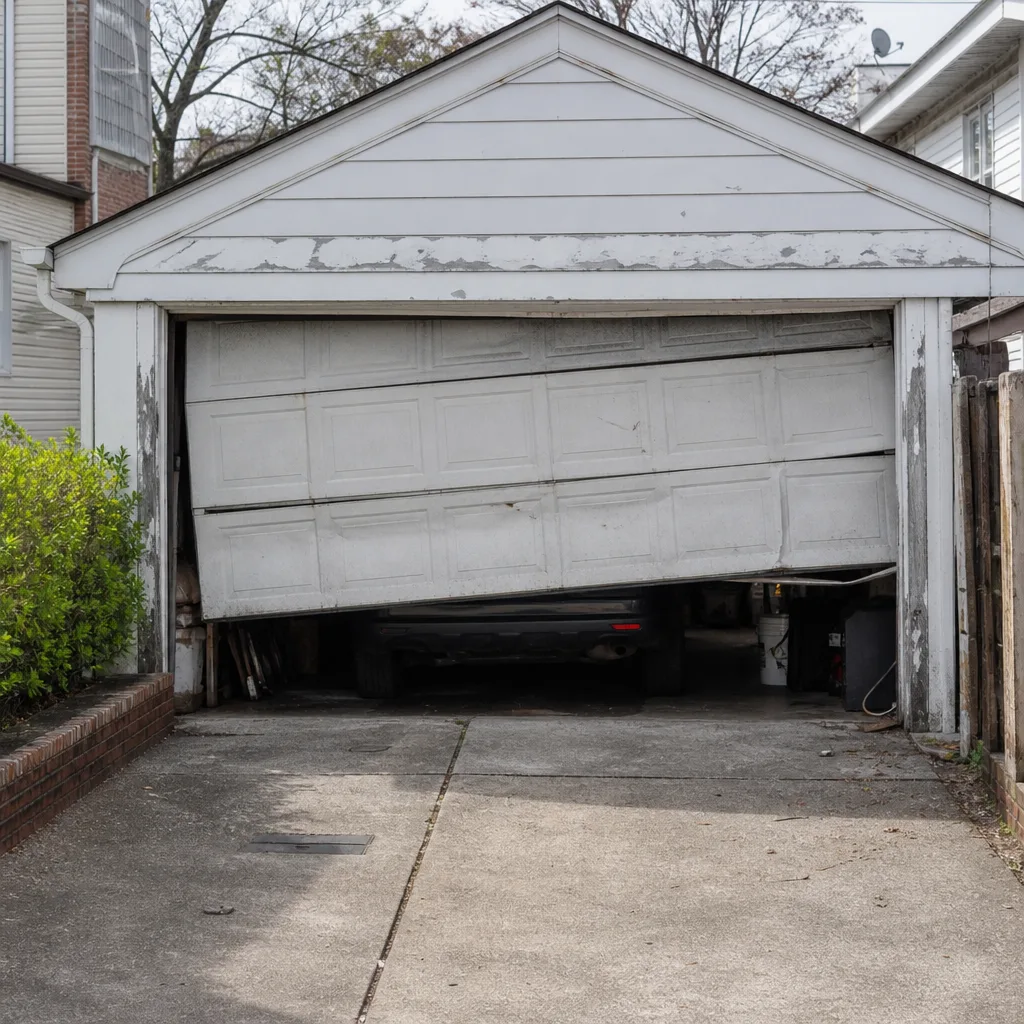 Before
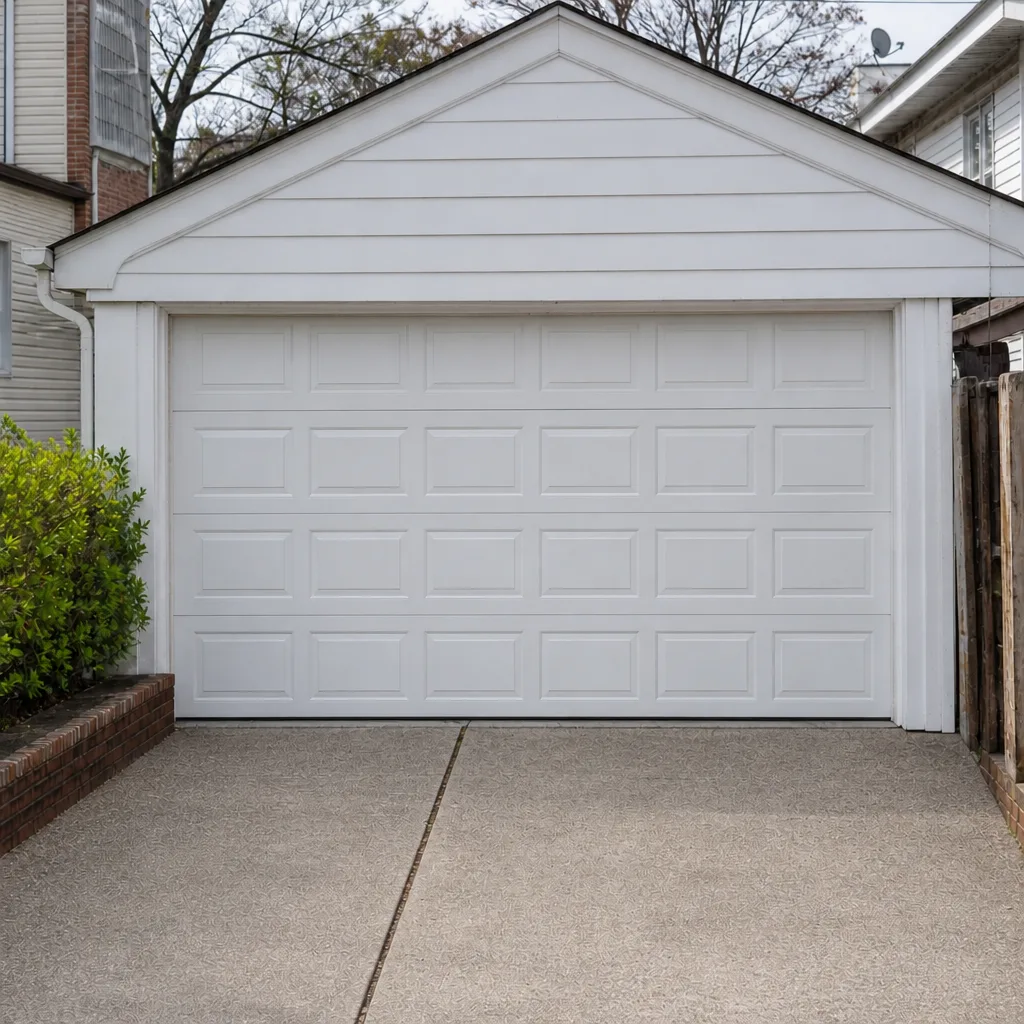 After
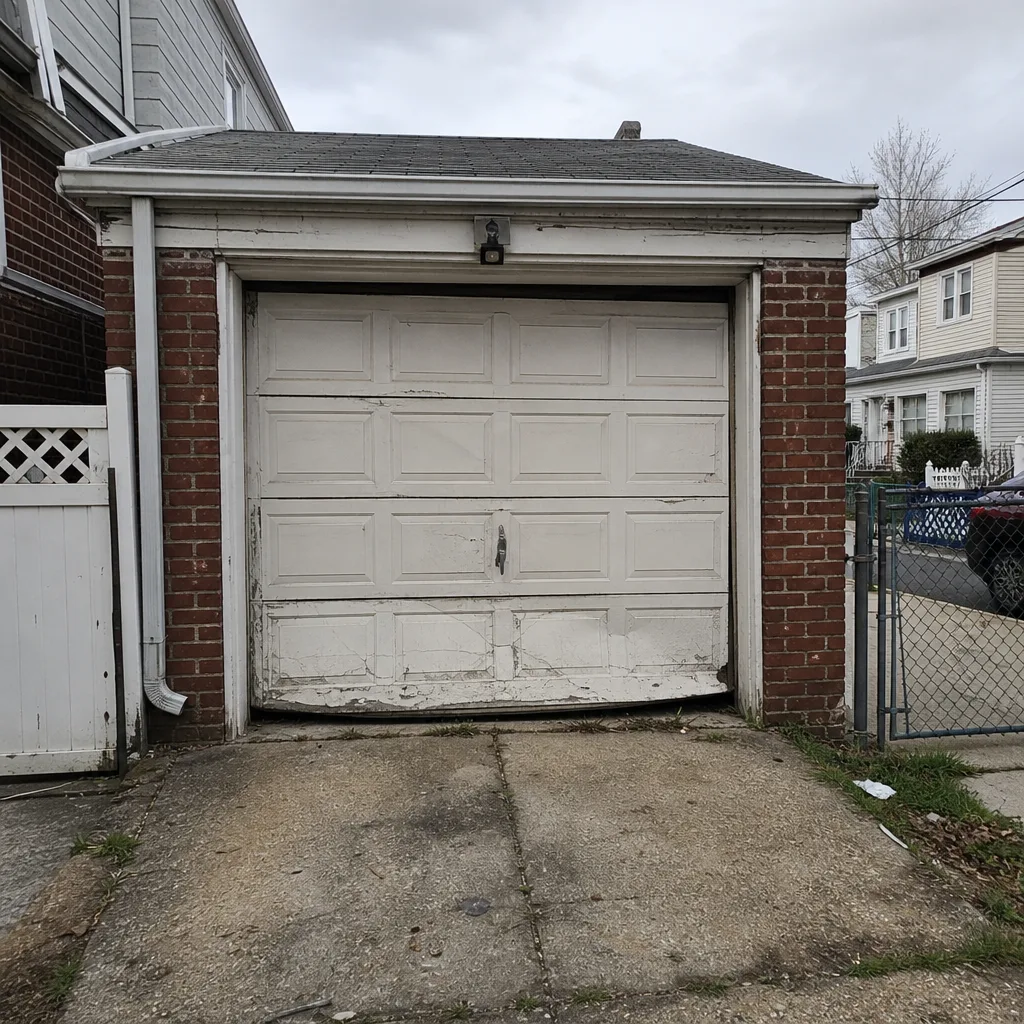 Before
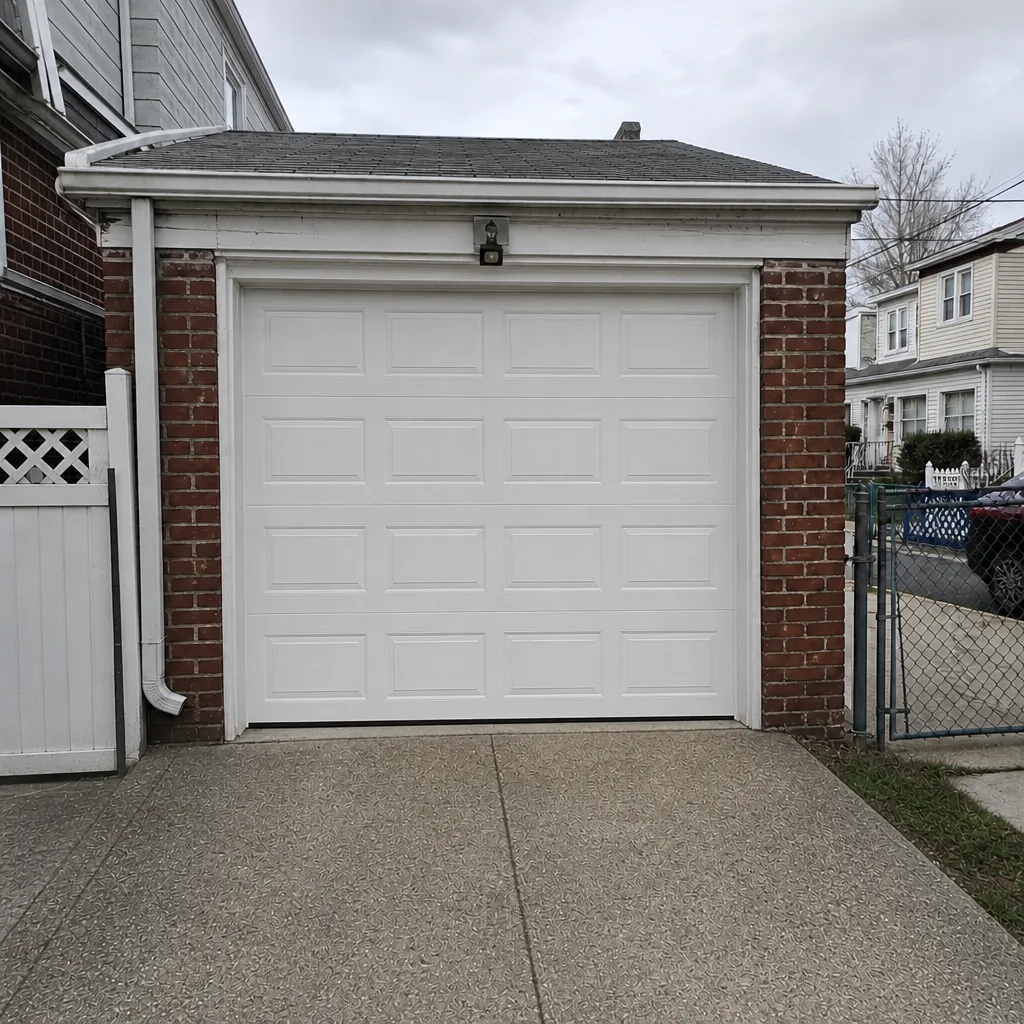 After
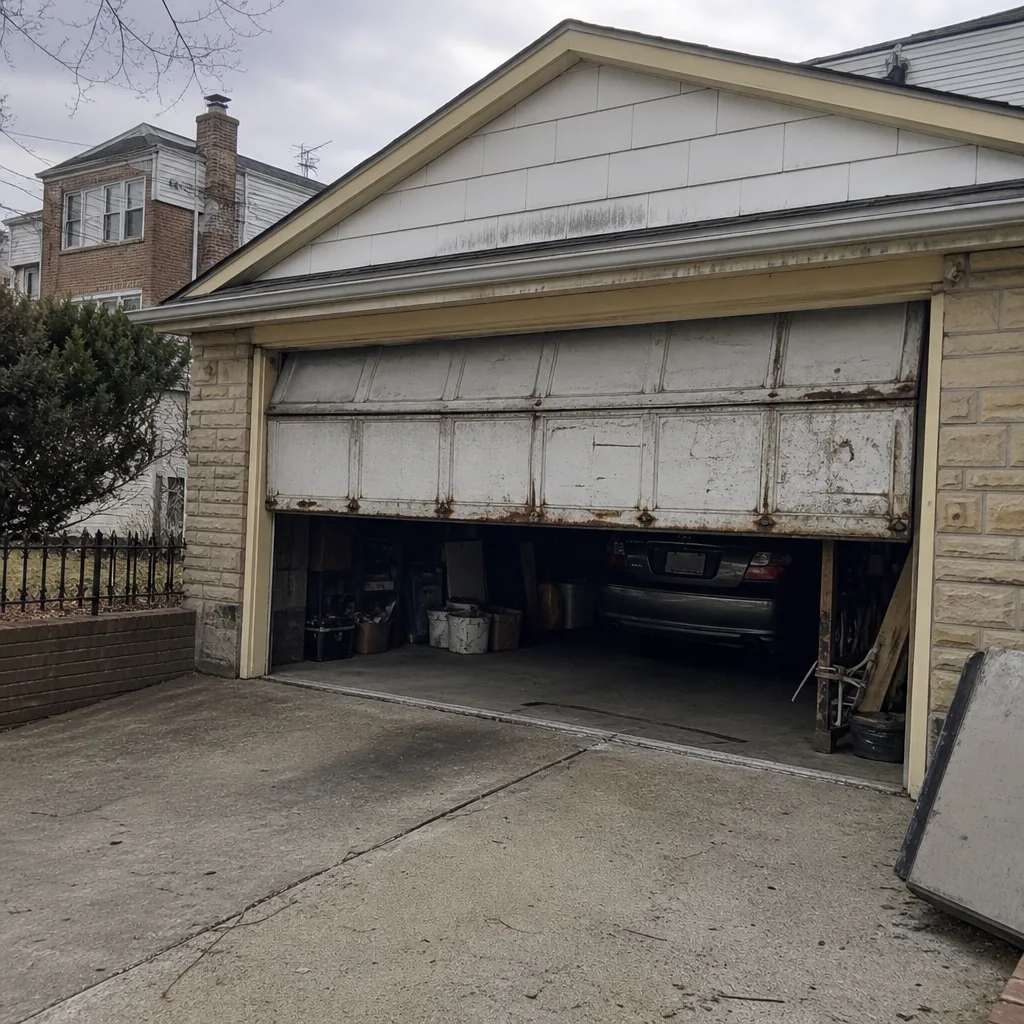 Before
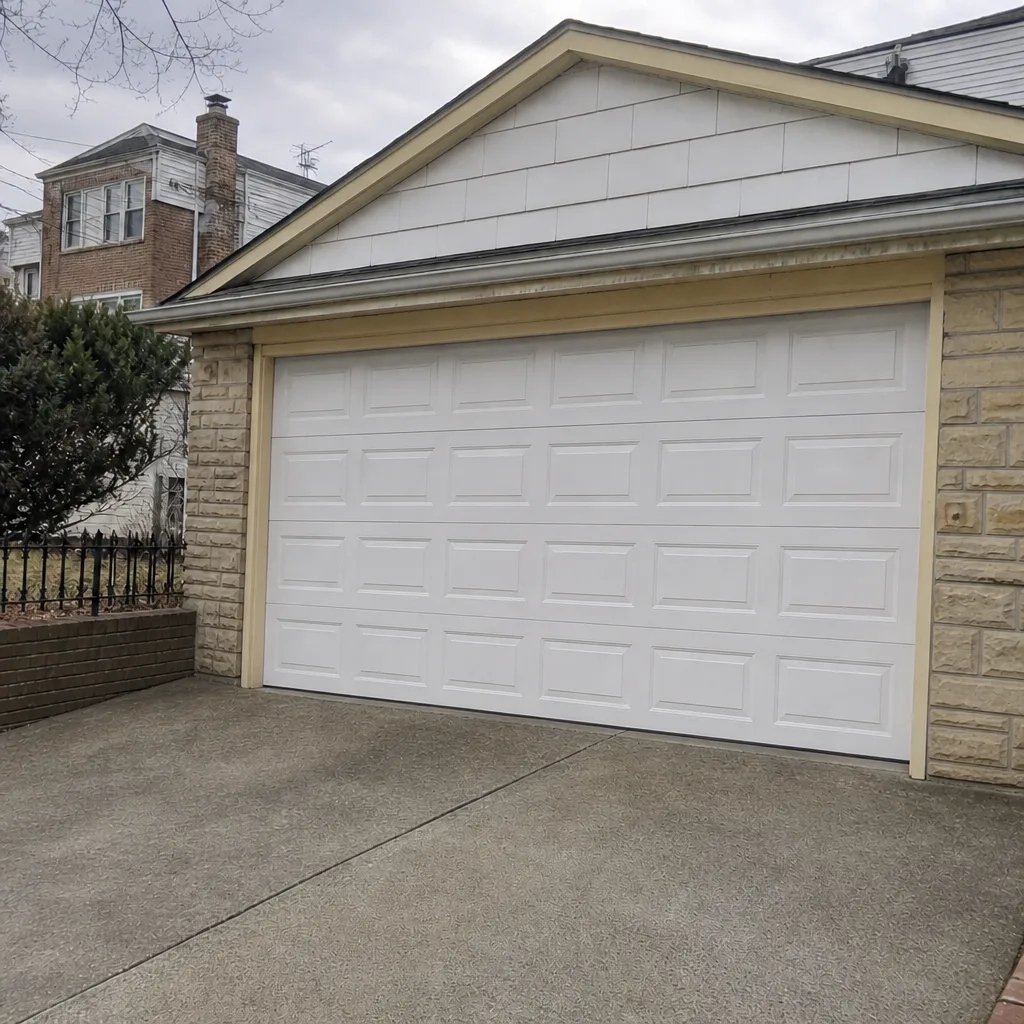 After
When to Call a Professional
Call a professional when the repair involves a spring, a cable, a track, or the opener’s electrical or motor side. Also call if the door is off its tracks, if the door is sagging on one side, or if the opener runs but the door doesn’t move. If your inspection turns up a frayed cable or a detached spring anchor, that’s a call, not a next-weekend project. Jackson Heights Garage Door Repair offers free estimates in Jackson Heights, and a written quote is agreed before any work starts. Call (833) 402-5989 and we’ll tell you exactly what the repair involves and what it will cost. Our technicians have up to 8 years of experience, and we handle the brands already installed in your garage, including LiftMaster, Chamberlain, Genie, Clopay, Amarr, Wayne Dalton, Craftsman, and Raynor.
Frequently Asked Questions
For rollers, hinges, weather seals, and lubrication, DIY is almost always cheaper, and the parts cost a fraction of a service call. For springs, cables, or opener motor and board repairs, hiring a pro is usually cheaper than the full cost of a DIY attempt that goes wrong, because the risk of a doubled repair bill is real. Call (833) 402-5989 for a free estimate on the professional side and compare before you start.
No, torsion spring replacement is not a safe DIY repair. The spring holds stored energy that releases violently if winding goes wrong, and the winding procedure needs specific bars and training. A spring repair in Jackson Heights should be handled by a trained technician, and our spring replacement service is available as a standalone job. Call (833) 402-5989 to schedule it.
Leave the door in place, keep people and vehicles away from it, and don’t try to force it back onto the track. Pull the opener’s manual release so the motor can’t move the door, and don’t touch the springs or cables. If a car is trapped or the house is open, call (833) 402-5989 for emergency service in Jackson Heights.
Only if the repair is done carelessly. Rollers, hinges, and weather seals are among the safest parts to replace yourself, and the main risk is bending a track or leaving a hinge loose. Work slowly, support the door, and don’t adjust the springs to compensate for a part that doesn’t fit right. If a new roller still doesn’t track smoothly, stop and call (833) 402-5989 for an inspection.
No, a legitimate job isn’t priced as punishment for a DIY attempt. Sometimes a half-finished repair takes a few more minutes to sort out, but the price is quoted and agreed before work starts, and the written estimate sets the final cost. If you’ve started a job and stopped, tell us what you did and what tools you used. Call (833) 402-5989 with the details and we’ll quote it honestly.
Yes, same-day and emergency service is a standing part of our operation, not a conditional extra. A broken spring, an off-track door, or an opener failure leaves a car trapped or a home unsecured, and those are the situations we take first. Call (833) 402-5989 and tell us what happened.
The Bottom Line
The DIY-versus-pro decision for a garage door comes down to stored energy and stored risk. Rollers, hinges, weather seals, lubrication, and visual inspections are yours to handle with standard tools. Springs, cables, tracks, and opener motor or board repairs are not, because a half-finished repair there is worse than the original problem. In Jackson Heights, tight row-home garages and shared walls make the safe DIY list even shorter, so check your space before you commit. Free estimates mean you can price the professional side before you decide. Call (833) 402-5989 and we’ll help you find the line for your door.
Written by the team at Jackson Heights Garage Door Repair.