Last updated November 21, 2026
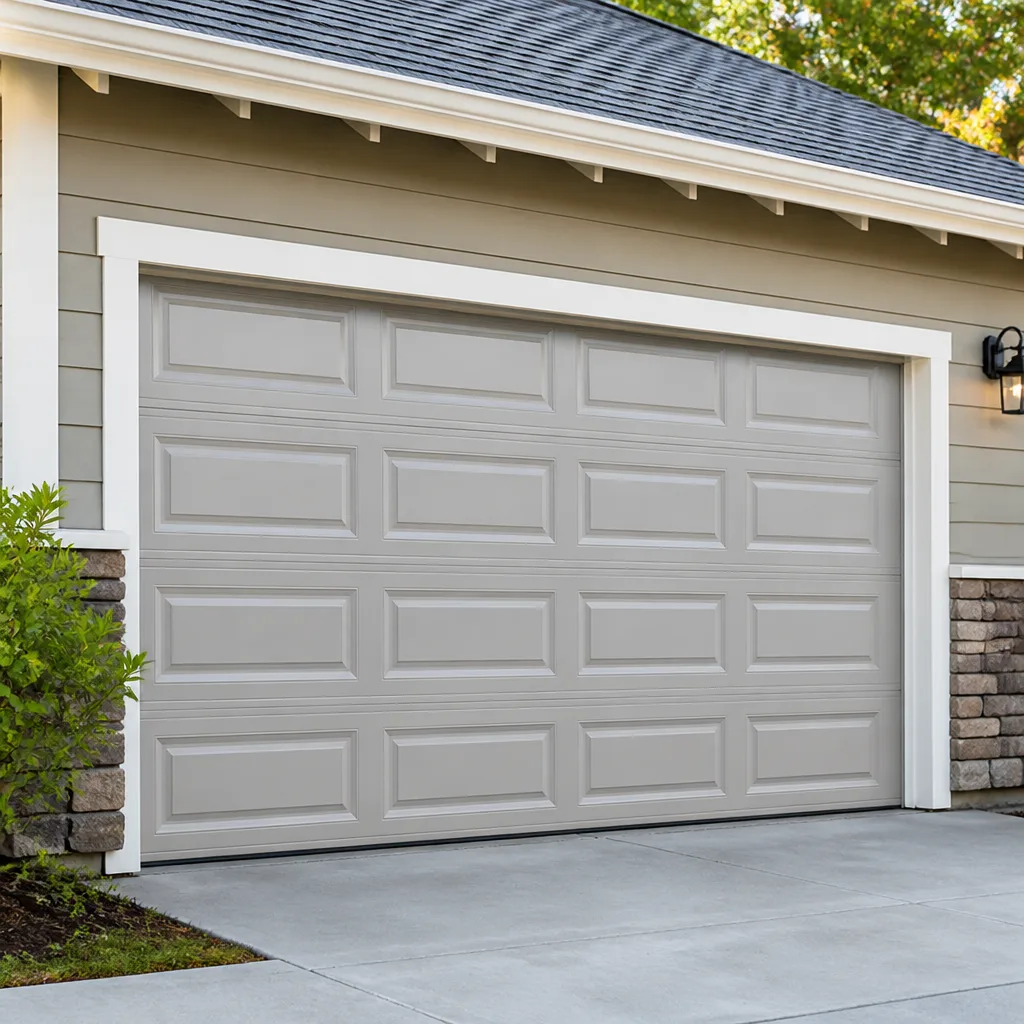 Raised-panel steel
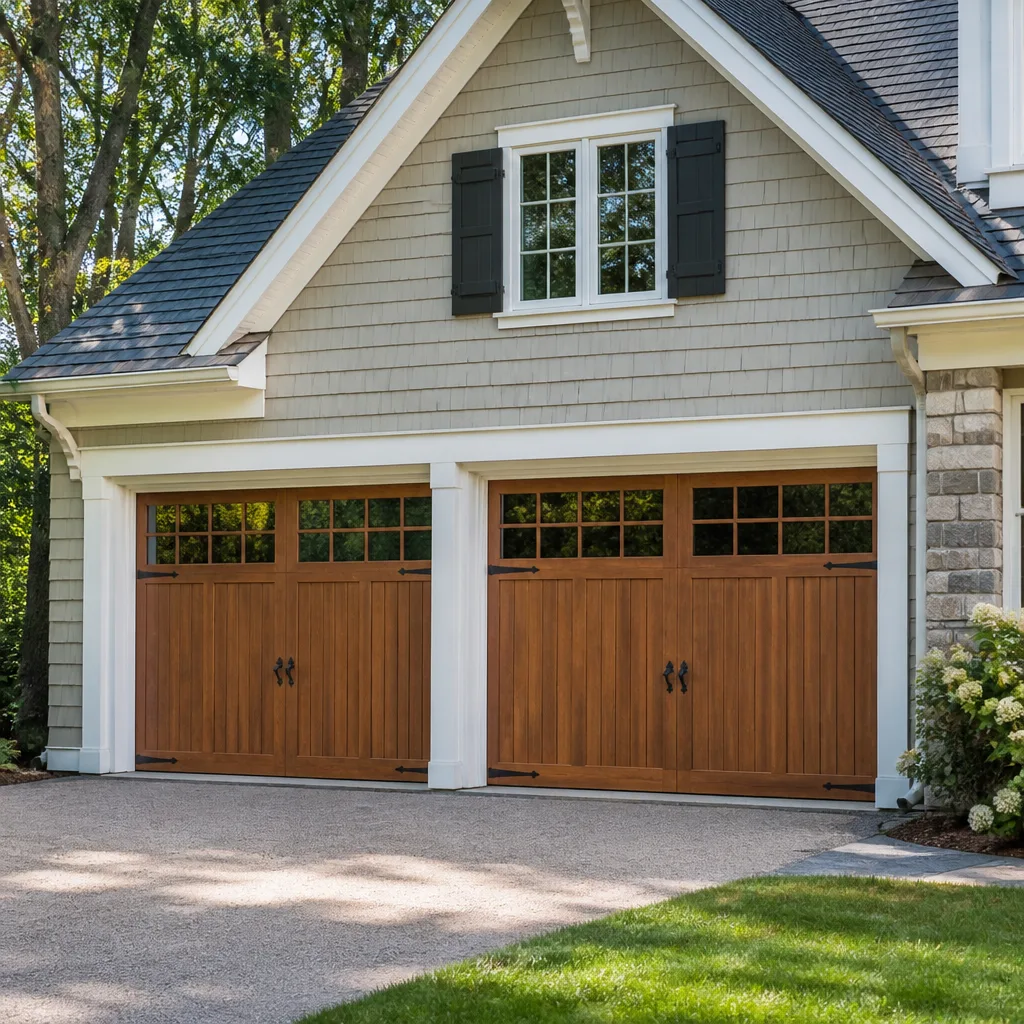 Carriage house
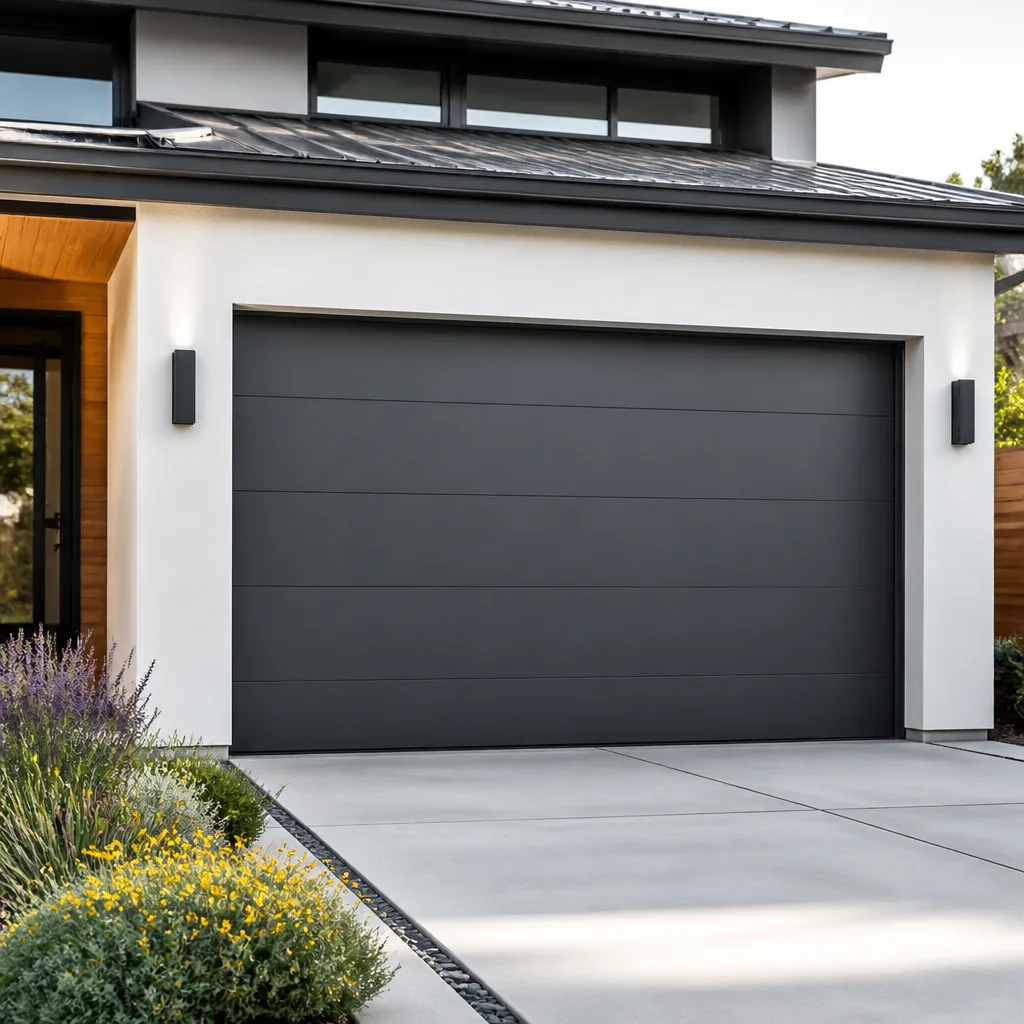 Modern flush
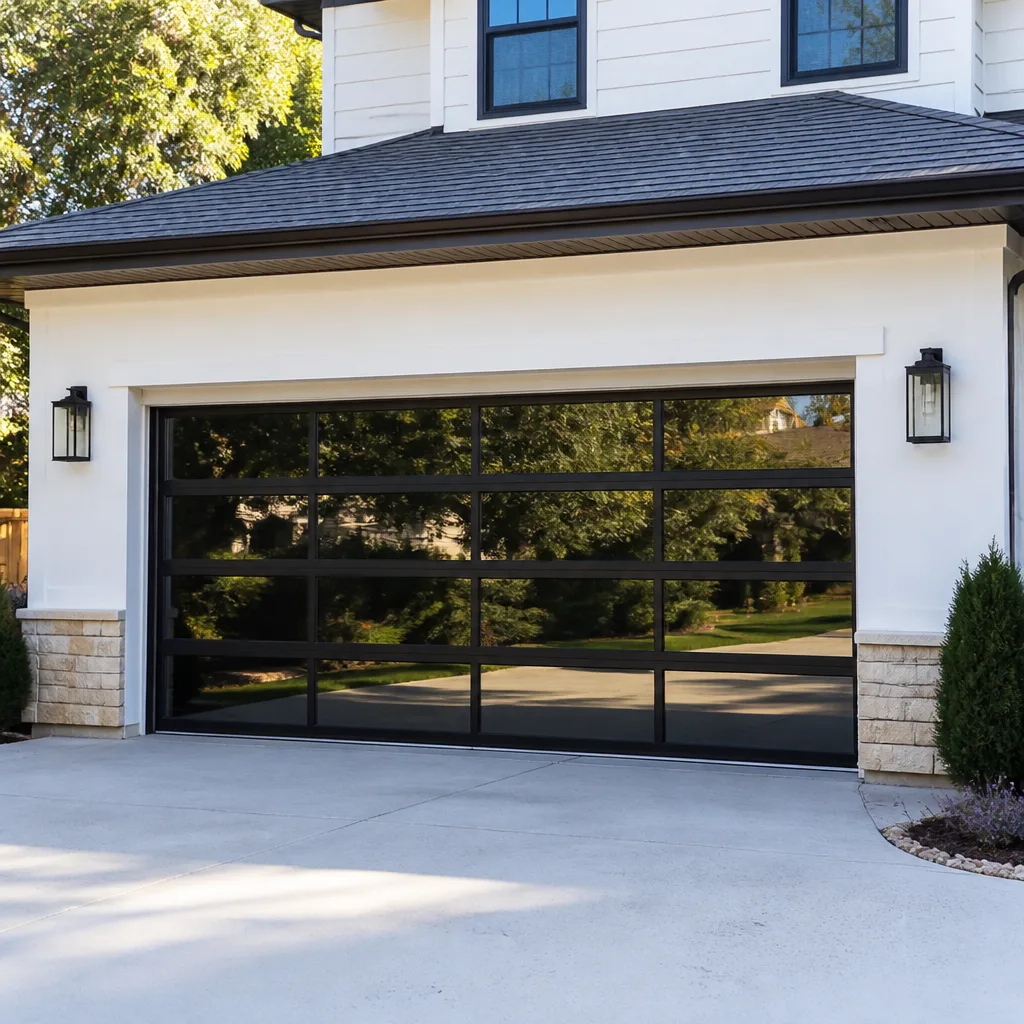 Full-view glass
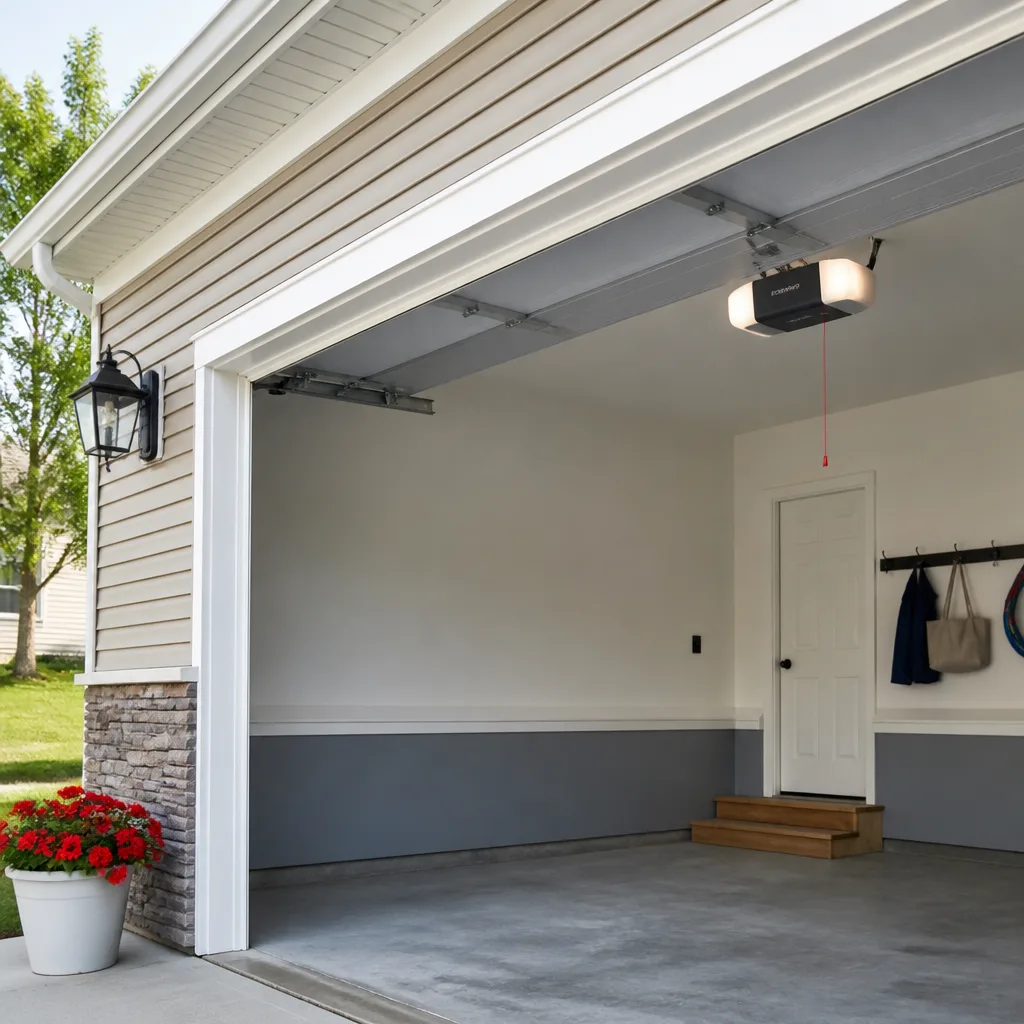 LiftMaster openers
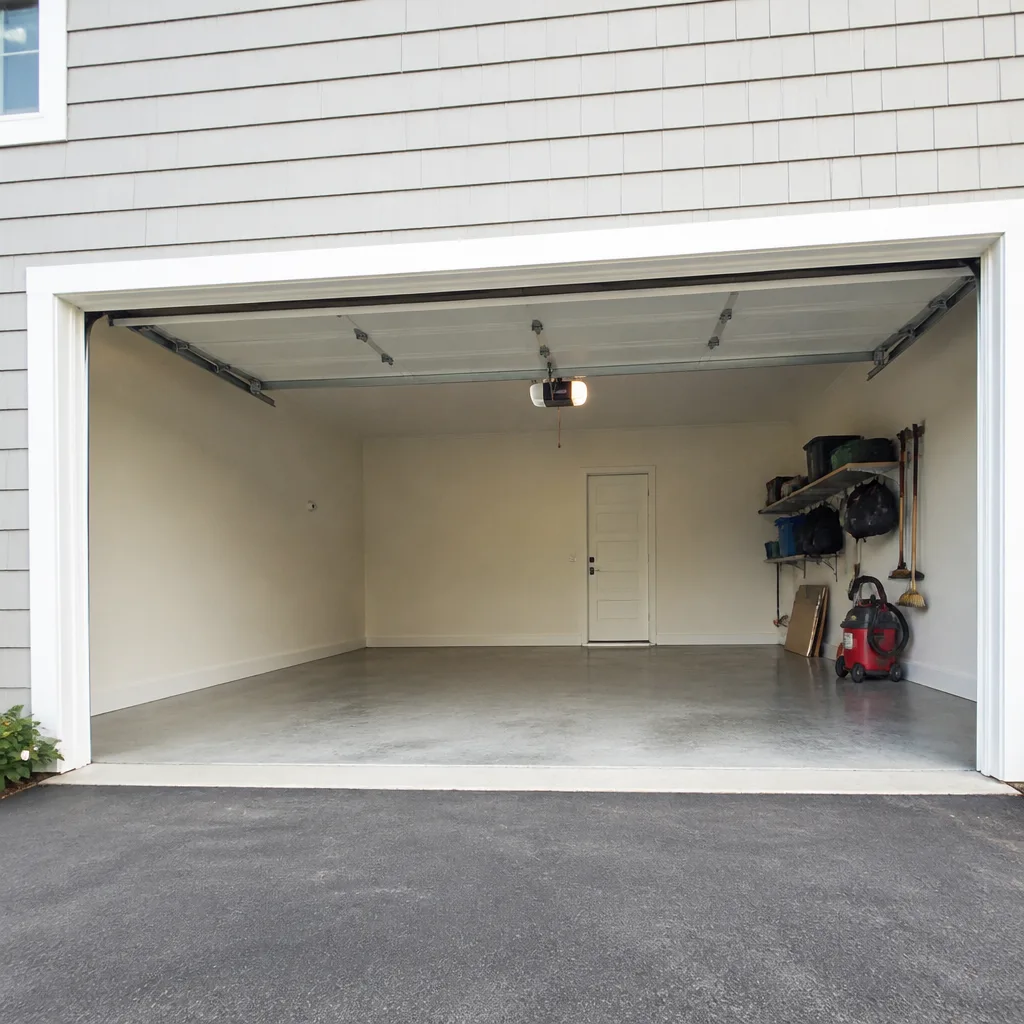 Chamberlain openers
Full 25-point door and opener safety check with every visit - springs, cables, rollers, tracks, and your LiftMaster or Chamberlain opener included
You get a price before we start. It does not change when the pro arrives.
Get your free estimateGarage Door Emergency Preparedness Guide for Jackson Heights Homes
When a torsion spring snaps and your car is inside, the first instinct for many homeowners is to pull the red emergency release and lift the door by hand. That instinct is the single most dangerous move you can make. A 400-pound sectional door with zero spring tension has nothing holding it up, and it will come down the moment you let go. Emergency rooms in Queens see that injury pattern regularly, and it’s entirely preventable. What you do in the first fifteen minutes after a garage door fails decides whether you’re dealing with a repair or a hospital visit. This guide walks you through the three emergencies that happen most often in Jackson Heights, in the order you should act, and tells you exactly what to have ready when you call for help.
Quick Answer
If your garage door fails in Jackson Heights, do not manually lift it. Clear the area, keep people and pets away from the door, and if a car is trapped, leave it there until a technician stabilizes the door. Call (833) 402-5989 for same-day or emergency service. A trained professional can usually get you back up and running today.
Styles & brands we work with
- Raised-panel steel
- Carriage house
- Modern flush
- Full-view glass
- LiftMaster openers
- Chamberlain openers
Table of Contents
- The Three Emergencies That Actually Happen in Jackson Heights
- A Spring Break Trapped Your Car: What to Do First
- Storm Damage: What Needs a Pro Now vs. What Can Wait
- Opener Failure Locking You Out: The Safe Override
- The First 15 Minutes: A Step-by-Step Decision Tree
- What to Tell Us When You Call So We Arrive With the Right Parts
- Preventing the Next Emergency
- Common Mistakes to Avoid
The Three Emergencies That Actually Happen in Jackson Heights
Garage door failures aren’t random. In our experience working across Jackson Heights, they cluster into three scenarios, and each one calls for a different response. Knowing which one you’re facing in the first minute saves you from making the wrong call.
Scenario one: a broken spring with a car trapped inside. This is the most common. It usually happens when you’re already running late, you hit the opener, and instead of the door rising you hear a loud bang. The door moves a few inches and stops. Your car is stuck, and the door is now dead weight.
Scenario two: storm damage. Jackson Heights sits on a dense grid of attached and semi-detached homes where wind and falling limbs from mature street trees can drop debris onto a door panel. Impact damage, dents that jam the track, or a door knocked off its rollers all fall here.
Scenario three: opener failure locking you out. The door itself is fine, but the motor won’t respond, the remote is dead, or the door reverses partway. You can’t get your car out, and the house isn’t fully secured.
Each scenario has a right first move and a wrong one. The wrong move usually makes things worse, and in the case of springs, it’s genuinely dangerous. Our garage door repair team handles all three, but the fifteen minutes before we arrive are on you.
A Spring Break Trapped Your Car: What to Do First
A snapped torsion spring turns your door into a several-hundred-pound slab with nothing supporting it but the opener motor, which was never designed to lift that weight alone. The safest thing you can do is leave the door down and leave it alone. Do not pull the emergency release. Do not try to lift the door to free your car.
Here’s how a spring break usually presents itself, so you can confirm what happened:
- A loud bang or snapping sound from above the door, often described as sounding like a gunshot.
- The door rises a few inches and stops, or won’t move at all.
- A visible gap in the torsion spring coiled on the shaft above the door.
- The opener hums but the door doesn’t move, or the door feels unusually heavy.
What you can safely do is stabilize the situation. Keep everyone clear of the door. Don’t let anyone, especially kids, try to open it manually. If the door is partway open and stuck, stay out from under it. Then call for emergency service. Spring work is one of the most technically demanding and injury-prone repairs in this trade, which is why we treat it as a standalone specialty rather than an add-on. The fix is a spring repair by a trained technician who knows how to release and reset tension safely. Never attempt this yourself; the stored energy in a wound torsion spring can cause severe injury in a fraction of a second.
For Jackson Heights homeowners with an attached garage on a narrow lot, the trapped-car scenario is especially frustrating because there’s often no second exit for the vehicle. That’s exactly why emergency response matters here. We’ll get a technician out, stabilize the door, and get you back up and running today.
Storm Damage: What Needs a Pro Now vs. What Can Wait
Not every storm-related problem is an emergency, and knowing the difference saves you a call and sometimes a lot of money. In Jackson Heights, the mature trees lining blocks throughout the neighborhood mean falling limbs and wind-driven debris are the usual culprits. Here’s how to triage what you’re looking at.
Call for same-day or emergency service if:
- The door is off its tracks or hanging unevenly from the rollers.
- A panel is bent badly enough that the door won’t close, leaving your home unsecured.
- Debris has struck the door hard enough to buckle the frame or warp the track.
- The door is stuck open and won’t come down, exposing your garage and home.
What can wait until morning:
- Cosmetic dents on a door panel that don’t affect how the door opens or closes.
- Loose or rattling hardware that you can see but the door still cycles normally.
- A single dented panel on an otherwise functional door.
The key test is whether the door still tracks smoothly and closes fully. If it does, you’re not in emergency territory. If it doesn’t, don’t force it, because a misaligned door run through its cycle by the opener can bend the track and turn a small problem into a bigger repair. If your door was knocked out of alignment, the right call is garage door repair rather than trying to muscle it back into place.
Opener Failure Locking You Out: The Safe Override
When the opener quits, your door is likely fine; it’s the motor, the remote, or the safety sensor that’s failed. That’s a much less dangerous situation than a spring break, but you still need to get your car out without damaging the opener or creating a new problem. There’s a right way to use the manual release and a wrong way.
Every opener has a manual release, usually a red cord hanging from the carriage that connects the door to the opener rail. Pulling it disengages the door from the motor so you can open it by hand. That works fine on a door with intact springs, because the springs carry the weight. But here’s the catch: if you’re not sure whether the problem is the opener or a spring, do not pull the release. A door with a broken spring and a disengaged opener is a falling door. So before you touch the cord, test the door by hand gently. Can you lift it a few inches with light effort? If yes, the springs are probably intact and the opener is the issue. If the door feels like it weighs a ton, stop and call us.
Assuming the springs are fine, the safe sequence is:
- Pull the red release cord straight down to disconnect the door from the opener.
- Lift the door by hand to open it, and guide it all the way up.
- Once your car is out, lower the door gently by hand; don’t let it slam.
- Re-engage the release by closing the door fully and running the opener once to reconnect the carriage.
On the opener side, a dead remote often means a battery, and a door that reverses partway is usually the safety sensors at the bottom of the tracks. Those are quick checks. But if the motor hums without moving the door, or the logic board has failed, that’s an opener repair. We treat opener work as its own specialty, covering the motorized and smart-home systems from LiftMaster and Craftsman to Genie and Chamberlain. If your system is one of those, our garage door opener repair team already knows how it behaves. When the opener is beyond saving, we can walk you through what a realistic replacement looks like as part of a garage door installation.
The First 15 Minutes: A Step-by-Step Decision Tree
When the door fails, work through these steps in order. Don’t skip ahead, and don’t try to solve the problem by force.
- Stop and listen. A loud bang followed by a dead door is almost always a spring. A hum with no movement is usually the opener. Note what you heard.
- Keep people and pets clear. Get everyone away from the door path. Don’t let anyone stand under a door that’s partway open.
- Don’t pull the manual release if a spring may be broken. Test the door by hand. If it’s extremely heavy, leave it and call.
- If a car is trapped and the springs are intact, use the release and open by hand. If the springs are compromised, leave the car and secure the area.
- Check the door’s final position. A door stuck open leaves your home exposed; a door stuck down leaves it secured. Note which you have when you call.
- Take three photos: the full door, the spring area above it, and any visible damage or gap.
- Call (833) 402-5989. Describe the failure and send the photos so we can arrive with the right parts.
That last point is the one homeowners underrate. A photo of the spring above your door tells us the wire gauge and length, and a photo of the opener tells us the model. That’s the difference between a one-visit fix and a return trip. We work across Jackson Heights with up to 8 years of technician experience on the brands most of the neighborhood already has, so the odds are we’ve seen your setup before.
What to Tell Us When You Call So We Arrive With the Right Parts
The single best thing you can do for a faster fix is to have the right information ready when you call. Our technicians work on eight of the most widely installed garage door and opener brands, including Wayne Dalton, LiftMaster, Raynor, and Craftsman, and knowing your make and model up front means we come prepared.
Have these on hand:
- Door type: sectional (paneled) or one-piece, and roughly how wide it is.
- Spring type and number: torsion (coiled on a shaft above the door) or extension (running along the sides), and whether there’s one or two.
- Brand and model: of the opener and, if you know it, the door. It’s stamped on the opener housing and often on a sticker on the door panel.
- What happened: the sound, whether the door moved, and where it’s stuck now.
- Whether a car is trapped and whether your home is currently unsecured.
If you’re not sure what you’re looking at, photos are enough. Send a clear shot of the opener label and the spring assembly, and we’ll take it from there. We can usually pin down the model from a label, and that lets the technician arrive with the right spring or opener parts instead of guessing. Openers in particular reward this; a LiftMaster logic board issue and a Genie sensor fault look different on arrival but both present as “the door won’t open.”
Preventing the Next Emergency
Most garage door emergencies announce themselves before they happen. Springs weaken gradually, tracks work loose, and openers strain before they quit. A few habits keep the failure from landing on the wrong morning.
- Listen once a month. Run the door and listen for a grinding or scraping sound. Smooth operation is what you want; a new noise is a warning.
- Watch the door’s travel. A door that binds, jerks, or moves unevenly is working against a problem that will get worse.
- Test the safety sensors. Close the door on a small obstacle like a roll of paper towels; it should reverse. If it doesn’t, the sensors need attention.
- Keep the tracks clean and clear of debris. Don’t grease them; grime and leaves are the usual obstacles, not lack of lubrication.
- Note the brand and model. Tape the opener and door model numbers inside the garage so you’re not hunting for them during an emergency.
Older doors in Jackson Heights that have been through decades of freeze-and-thaw cycles deserve an occasional professional look, especially the springs, which are the parts that fail suddenly and without much warning. A worn spring is a spring that’s counting down. Having a technician check tension and hardware during a routine tune-up is cheap compared to a midweek spring replacement.
Common Mistakes to Avoid
These are the moves we see most often when a homeowner calls us after trying to solve the problem alone. Each one turns a repair into a bigger repair or, in the spring cases, an injury.
- Pulling the manual release on a door with a broken spring. The door has nothing holding it up and will fall. It’s the most dangerous mistake in this entire guide.
- Trying to lift a heavy door by hand to free a car. A door weighing several hundred pounds with no spring tension can cause severe injury. Leave the car and call.
- Greasing the tracks to stop a loud noise. Tracks aren’t supposed to be lubricated; grease attracts dirt and grit and makes the binding worse. Find the actual cause.
- Forcing a jammed door with the opener. If a panel or track is bent, running the motor again bends the track further. Stop and call.
- Replacing a broken spring with a mismatched one. Springs are matched to door weight and cycle count. The wrong spring strains the opener and fails early.
- Ignoring a door that won’t close fully. In Jackson Heights, a door left short of closed leaves the garage and often the house exposed. If it won’t close, treat it as urgent.
- Waiting on a reverse that stops working. A door that fails to reverse on an obstacle is a safety problem. Get it looked at before someone gets hurt.
See the difference
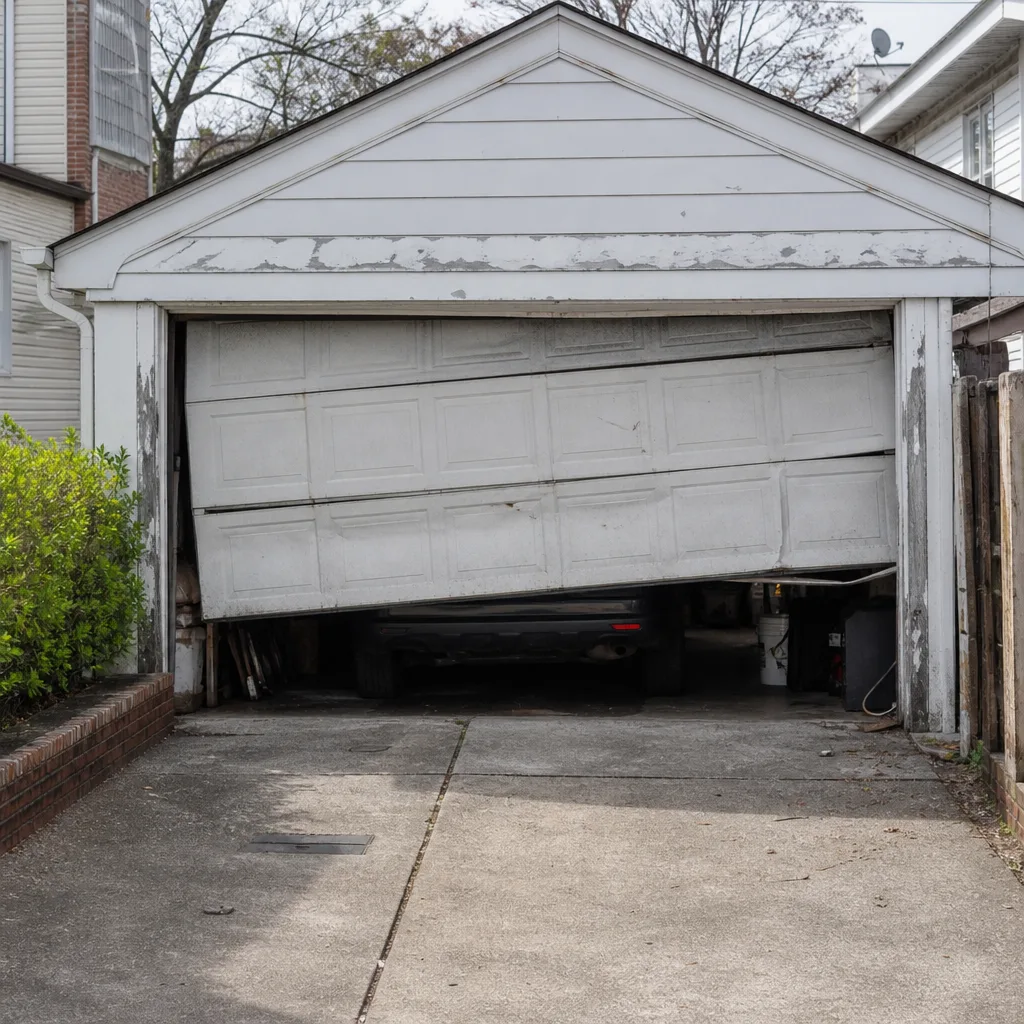 Before
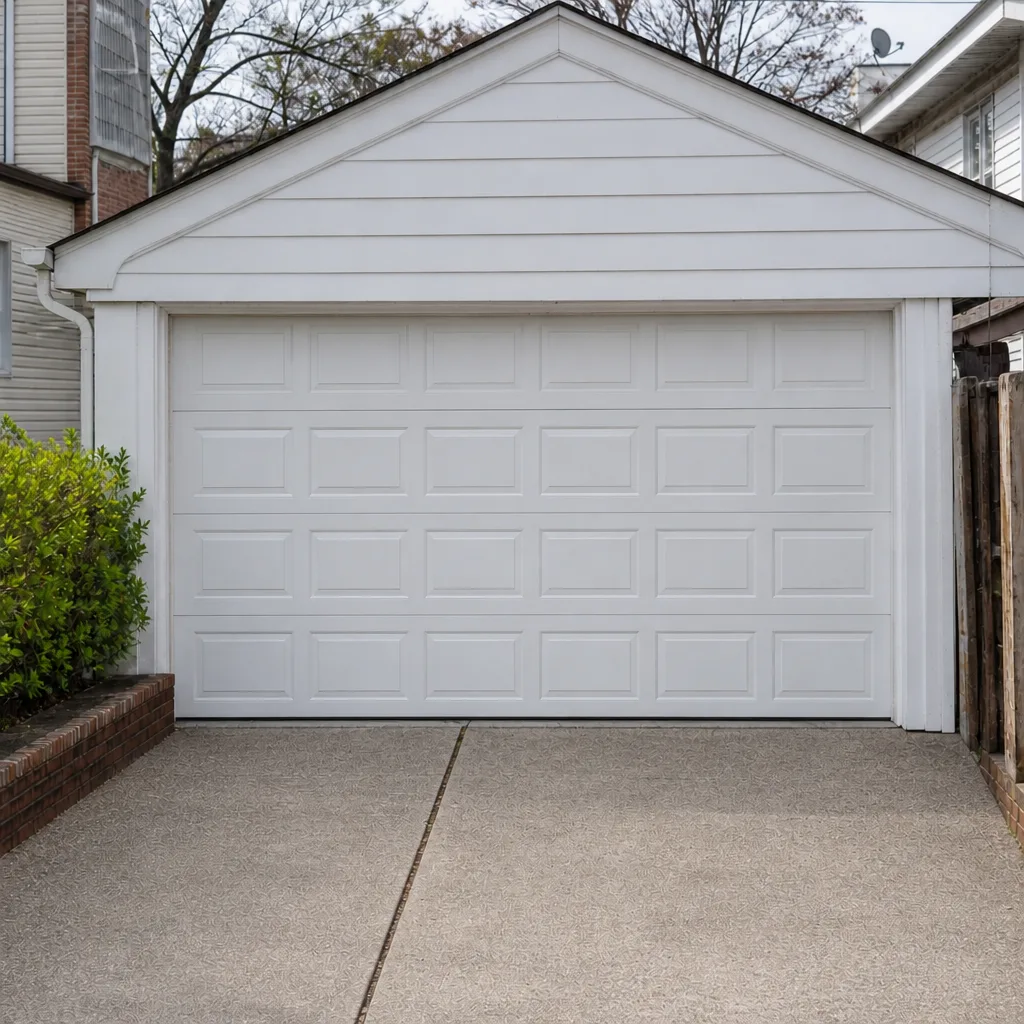 After
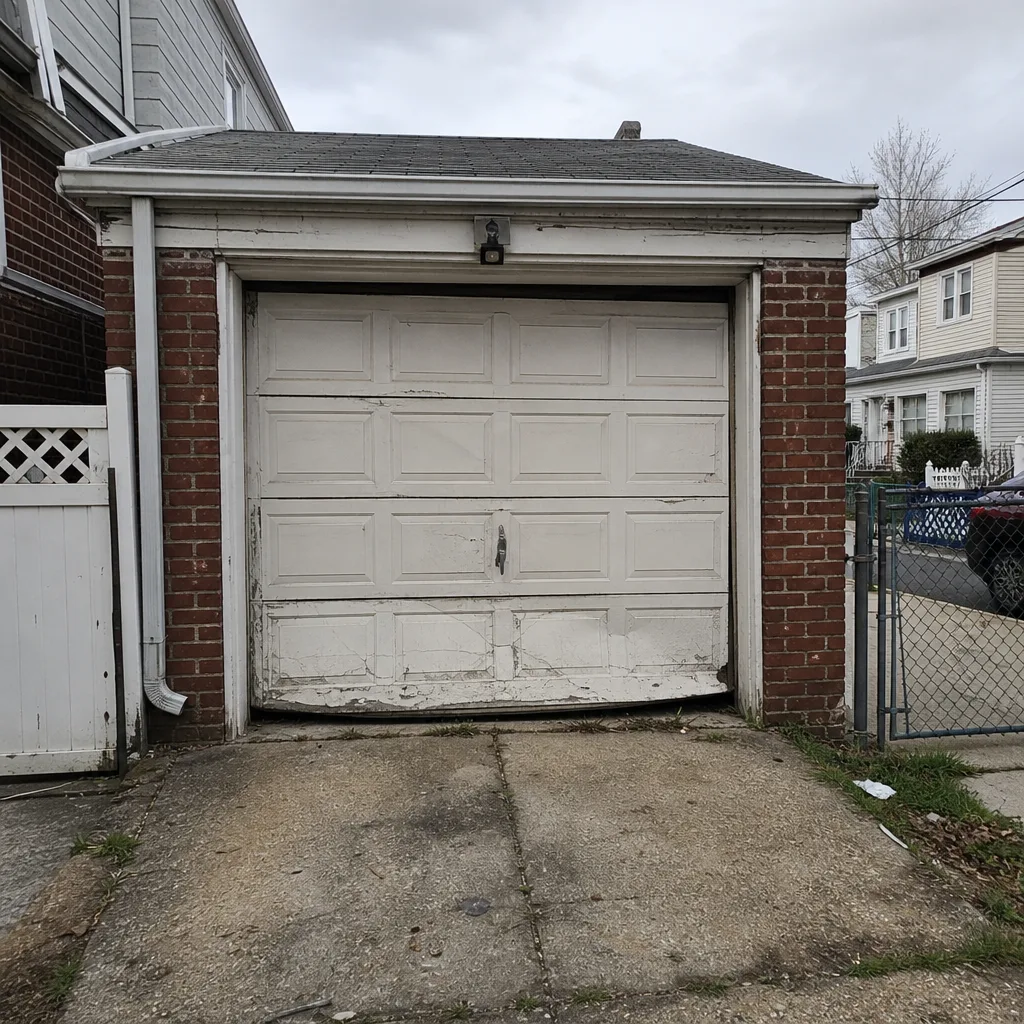 Before
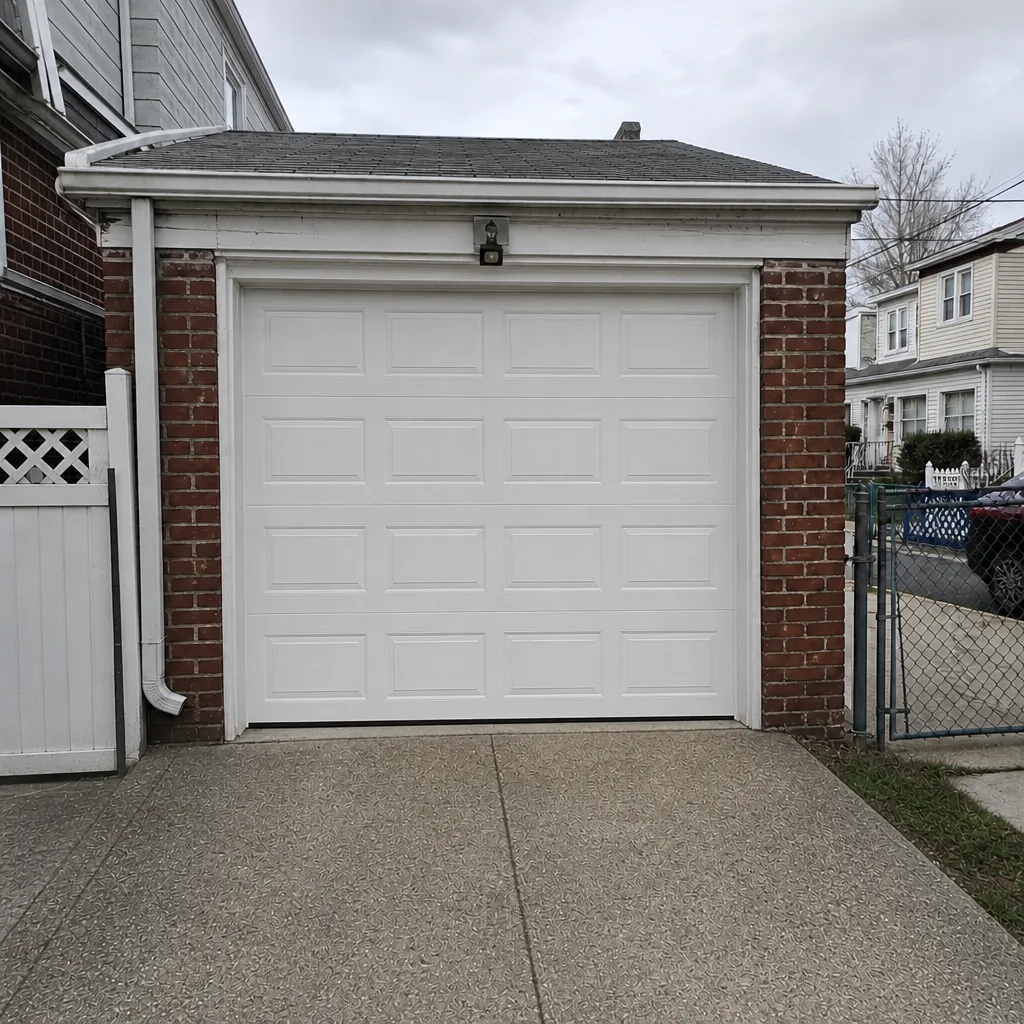 After
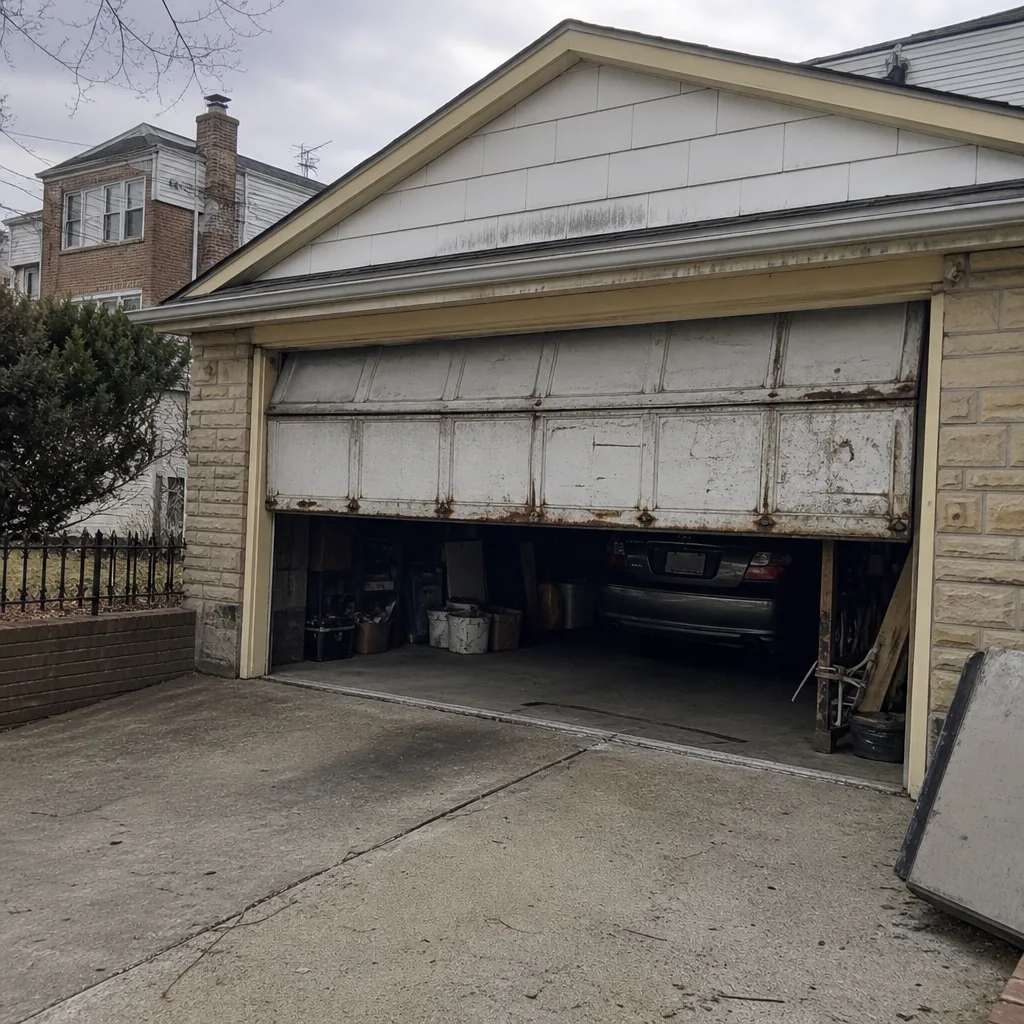 Before
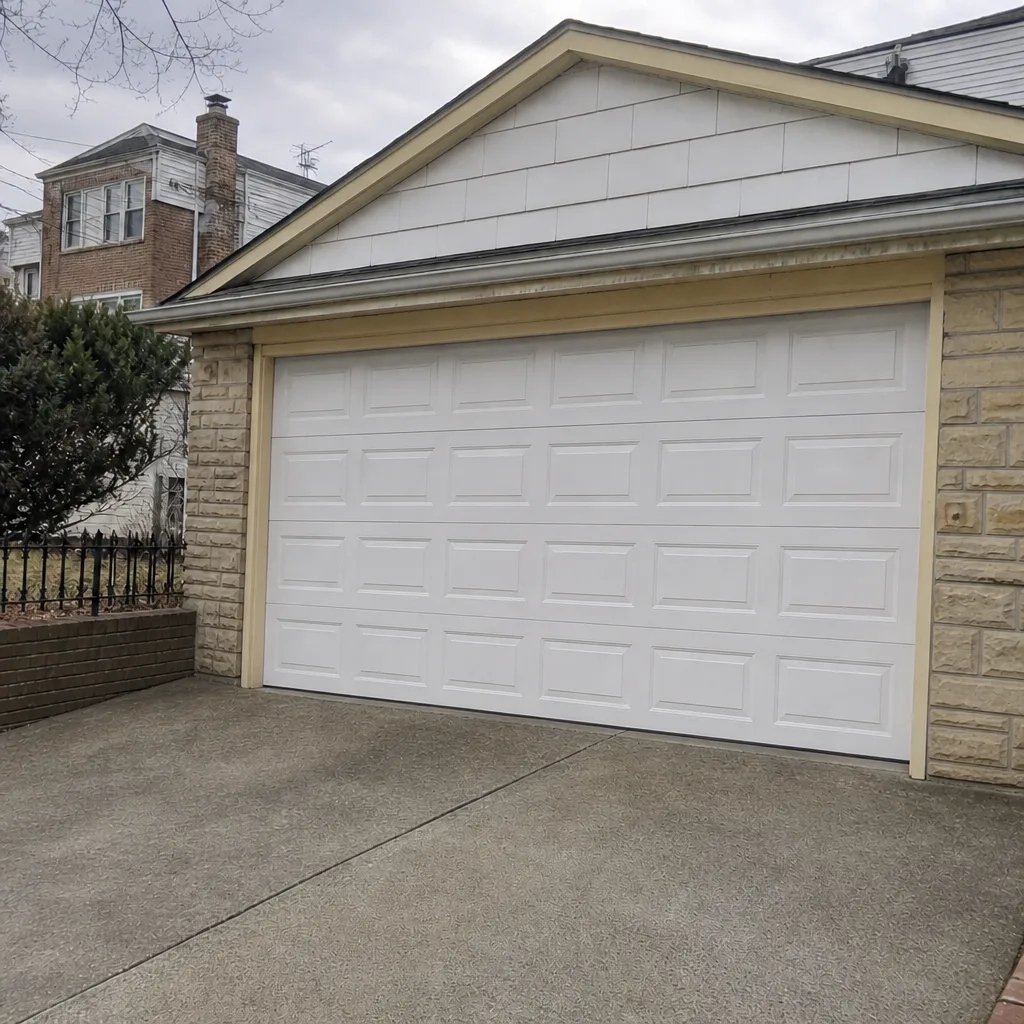 After
When to Call a Professional
Call a professional the moment a spring breaks, the door comes off its tracks, or the opener fails in a way that leaves your home unsecured. Those are the situations where a trained technician matters, because spring tension and heavy doors are not do-it-yourself territory. A door that cycles normally but makes a new noise or binds can usually wait for a scheduled visit. But if a car is trapped, if someone could get hurt, or if you’re not sure whether the springs are intact, stop and call. Jackson Heights Garage Door Repair offers free estimates in Jackson Heights, and garage doors are all we do. Call (833) 402-5989 and we’ll get a technician out to assess the door.
Frequently Asked Questions
Leave the door alone, keep everyone clear, and call for service. Don’t pull the manual release or try to lift the door, because a door with no spring tension can fall and cause serious injury. A quick call to (833) 402-5989 gets a technician headed your way.
Yes, if the springs are intact, pull the red manual release cord and lift the door by hand. If the door feels extremely heavy, stop and call, because the real problem may be a broken spring rather than the opener.
Spring repair pricing depends on whether you have one spring or a matched pair, the type of spring, and the door’s weight. We quote every job before any work starts, so you’ll know the price up front. Call (833) 402-5989 for a free estimate.
No. We quote the job and agree on the price before any work begins, so the written estimate is what you pay. If we find something unexpected during the repair, we’ll explain it and get your approval before doing anything further.
We offer same-day and emergency service for stuck, broken, and off-track doors, and we’ll be upfront about timing when you call. If a car is trapped or your home is unsecured, tell us so we can prioritize it. Call (833) 402-5989.
We connect you with licensed, insured local professionals who are vetted for residential garage door work, and our technicians have up to 8 years of experience on the major door and opener brands. You can ask about credentials when you call.
The Bottom Line
Most garage door emergencies come down to three scenarios in Jackson Heights: a spring break that traps a car, storm damage that compromises the door, and an opener failure that locks you out. Each one has a right first move, and each wrong move makes the problem worse. Never lift a door with a broken spring, never force a jammed door with the opener, and always have your door and opener brand ready when you call. Know which situation you’re in, keep people clear, and get a technician on the line. If you’re unsure, call us and we’ll help you sort it out.
Ready for help? Call Jackson Heights Garage Door Repair at (833) 402-5989 for a free estimate. We handle emergency service, spring repair, opener repair, and installation for the brands already in your garage, and we can often have you back up and running today.
Written by the team at Jackson Heights Garage Door Repair.