Last updated November 21, 2026
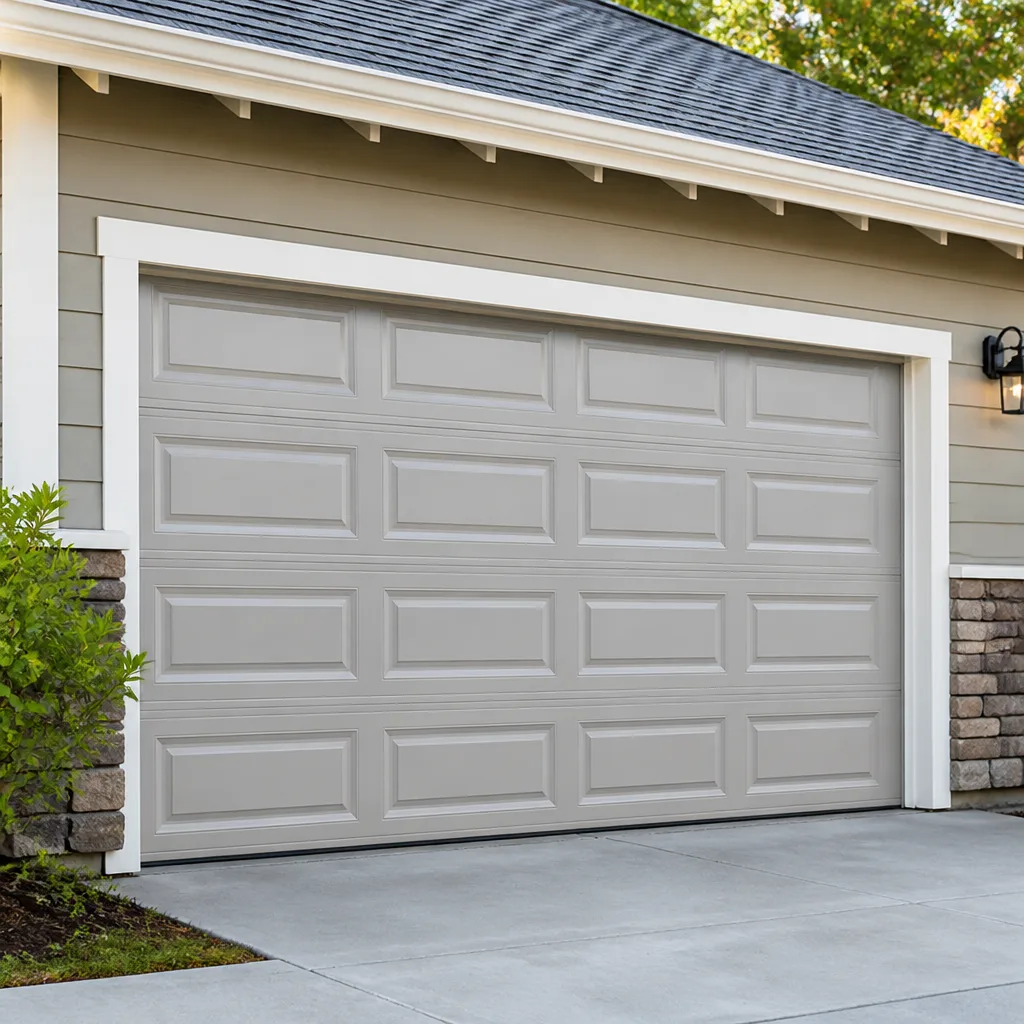 Raised-panel steel
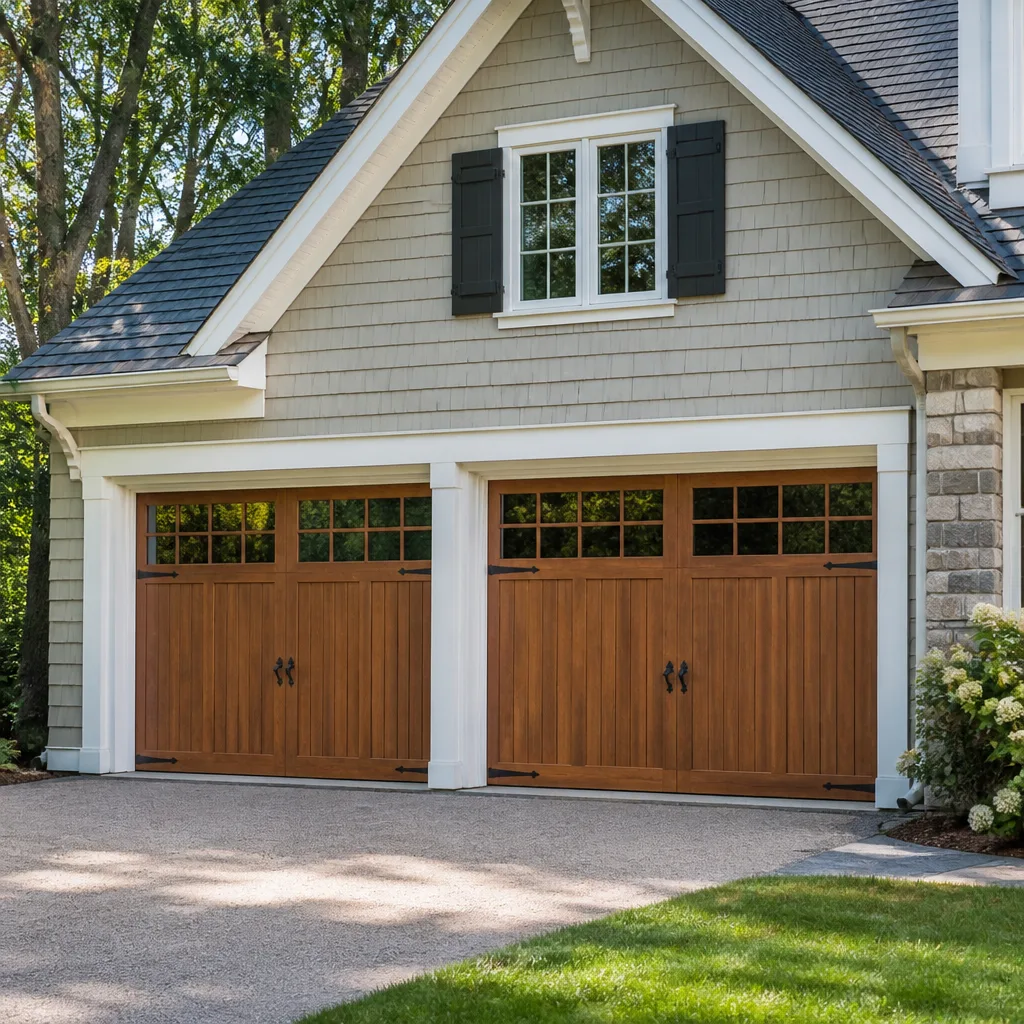 Carriage house
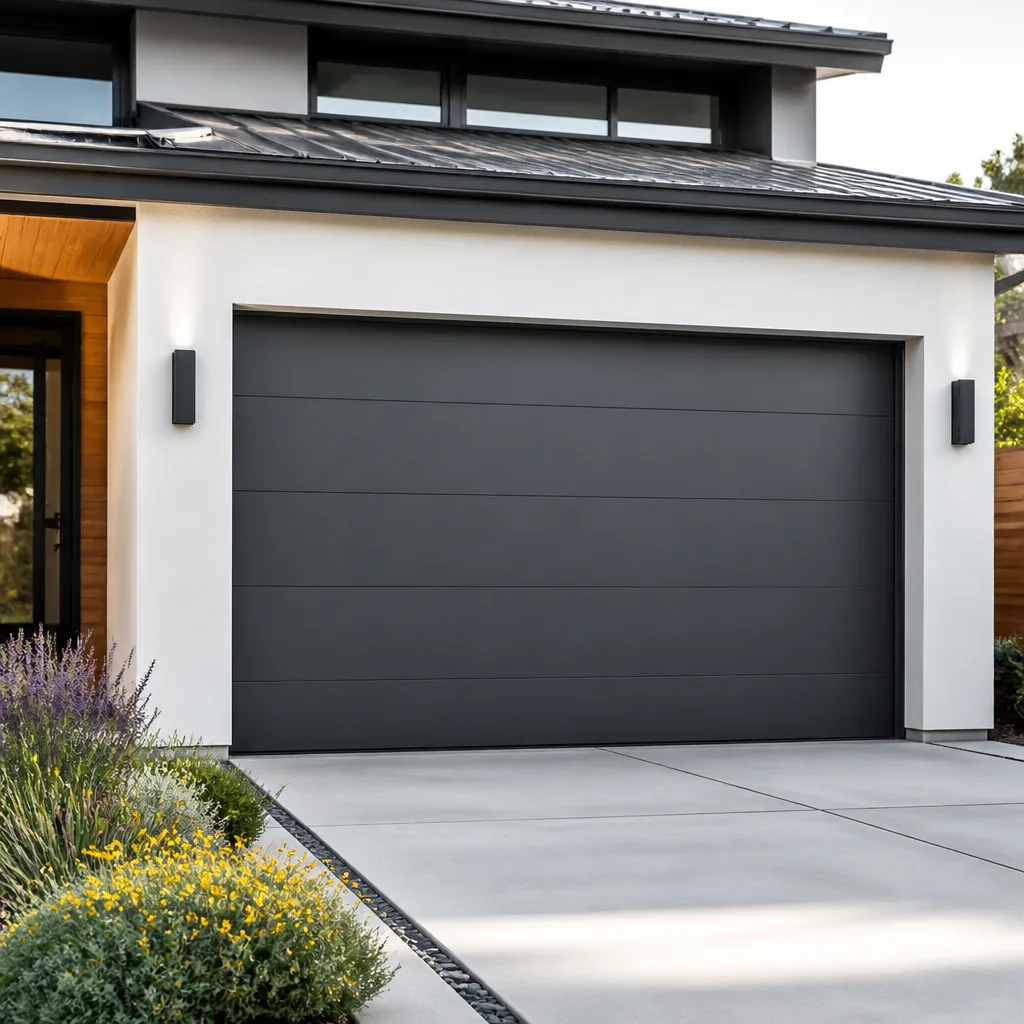 Modern flush
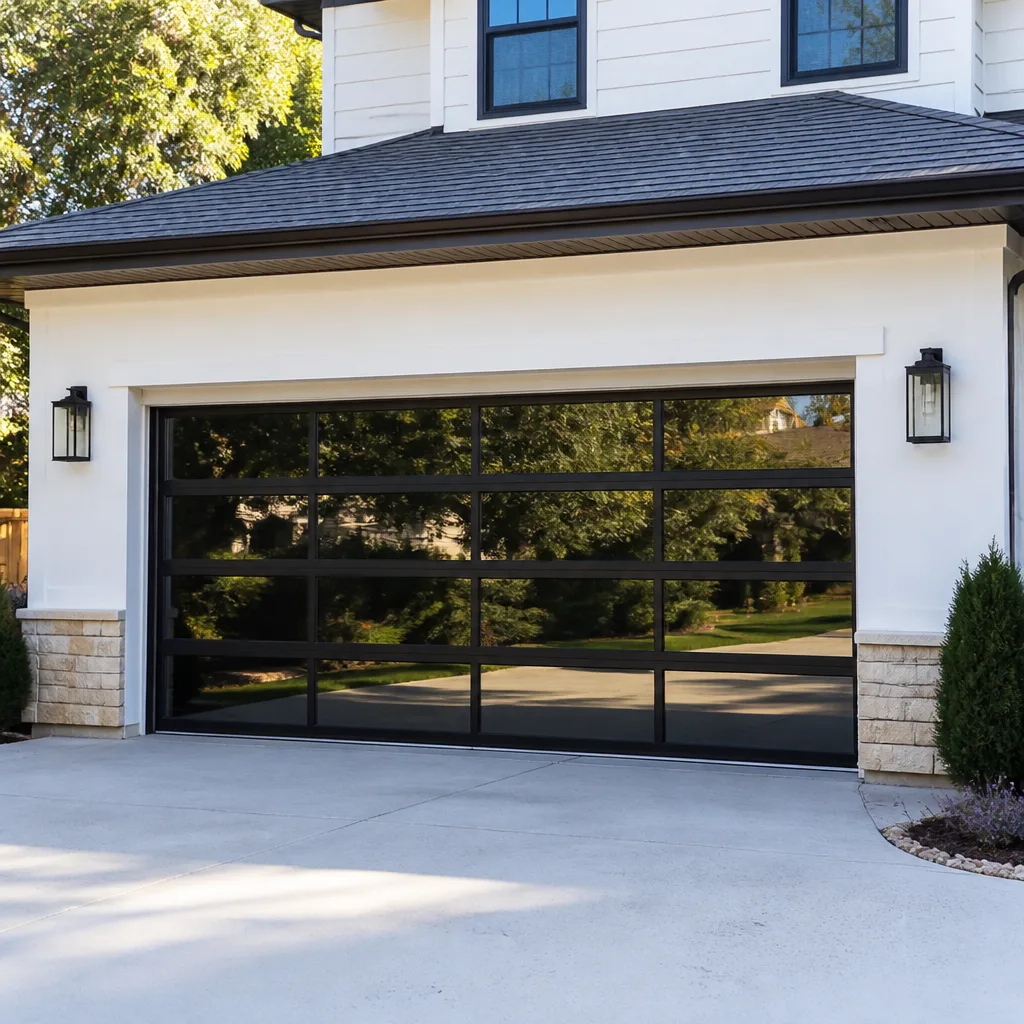 Full-view glass
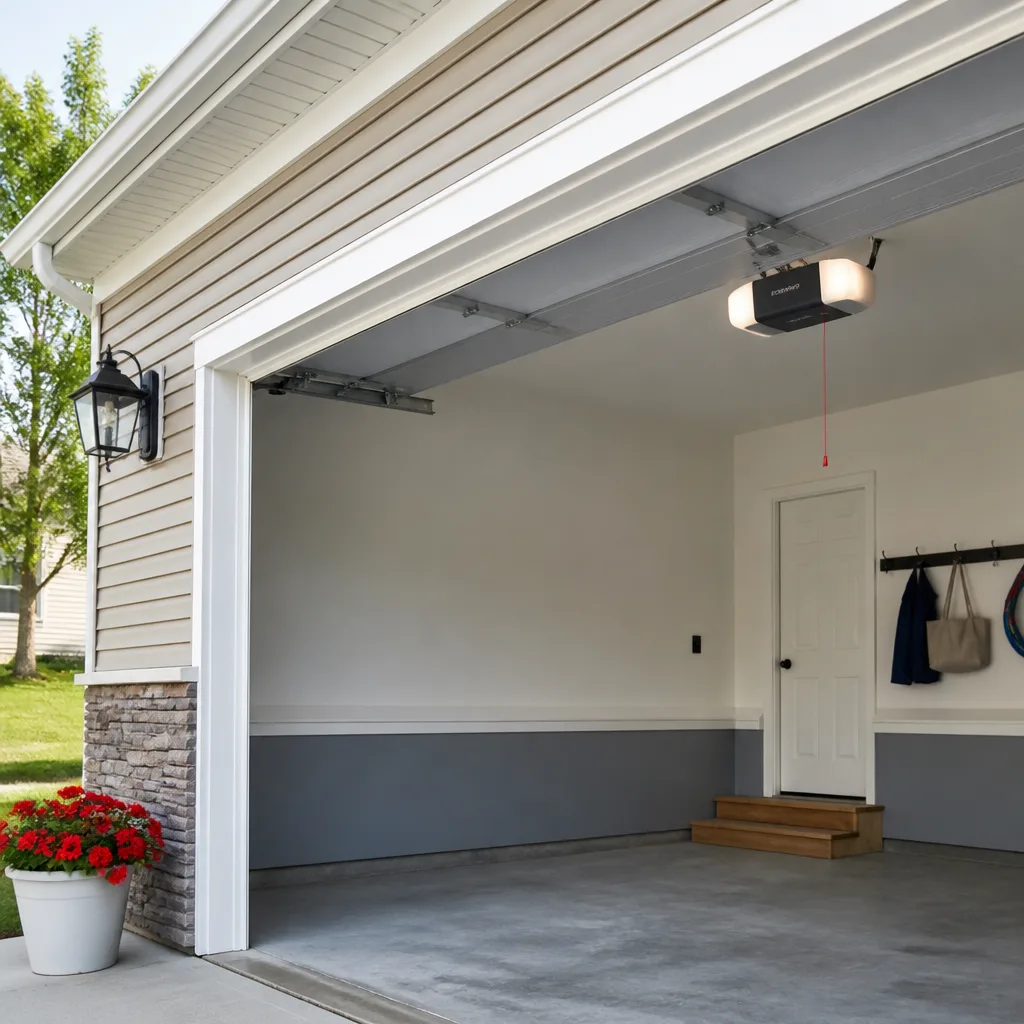 LiftMaster openers
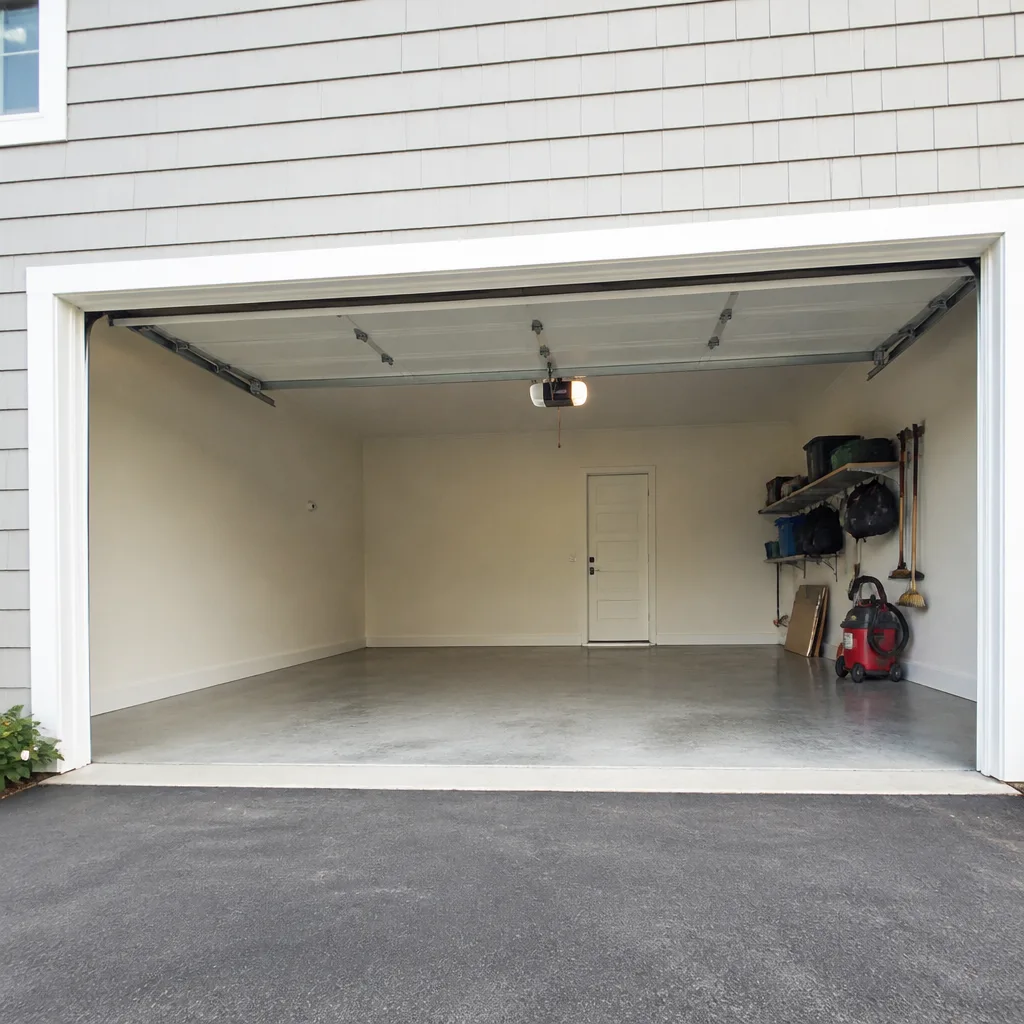 Chamberlain openers
Full 25-point door and opener safety check with every visit - springs, cables, rollers, tracks, and your LiftMaster or Chamberlain opener included
You get a price before we start. It does not change when the pro arrives.
Get your free estimateSeasonal Garage Door Care for Jackson Heights: Year-Round Homeowner’s Guide
Garage door care advice usually arrives as a tidy four-season calendar: a little lubrication in spring, a visual check in summer, a tune-up in fall, and that’s that. That template misses how doors actually fail here. Jackson Heights doesn’t give a garage door four equal seasons. It gives two seasons that actively attack the hardware – a winter of hard freezes and a summer of heat and direct sun – and two transition windows where the right maintenance either prevents damage or lets it compound. A torsion spring that snaps in a February cold snap didn’t fail that morning; it was set up months earlier when fall temperatures quietly changed the load on it. This guide is built around that two-damage-season reality. You’ll learn what to check in each window, what to leave to a technician, and how to keep a branded system – whether it’s running LiftMaster, Chamberlain, Genie or Raynor equipment – working the way it was designed.
Styles & brands we work with
- Raised-panel steel
- Carriage house
- Modern flush
- Full-view glass
- LiftMaster openers
- Chamberlain openers
Quick Answer
Seasonal garage door care in Jackson Heights means treating fall and spring as your service windows and winter and summer as the stress tests. In fall, before the first freeze, get the spring tension, balance and weather seal checked. In spring, undo what winter did: clear salt residue from bottom hardware, let compressed weatherstrip recover, and have the opener re-tested as door weight changes. Winter cold and summer heat are what break doors here, and the two shoulder seasons are when you prevent it.
Table of Contents
- Why Jackson Heights Is a Two-Season Garage Door Town
- Winter: Why Queens Cold Stress-Tests Torsion Springs
- Summer: Heat, Sun and Opener Thermal Shutdown
- Fall: Your Critical Prep Window Before the Freeze
- Spring: Undoing Winter Damage
- How to Adjust Opener Sensitivity as Door Weight Changes
- The Monthly Owner Checklist
- Caring for a Branded System: LiftMaster, Chamberlain, Genie, Raynor
- Common Mistakes to Avoid
- When to Call a Professional
- Frequently Asked Questions
- The Bottom Line
Why Jackson Heights Is a Two-Season Garage Door Town
Most garage door maintenance calendars come from places where the temperature swings are gentle. Jackson Heights doesn’t work that way. Winters here bring repeated freezes and thaws, and summers bring long stretches of heat with direct afternoon sun on south- and west-facing doors. Those are the two conditions that actually damage hardware: cold that changes the tension on a spring and makes metal brittle, and heat that warps panels and pushes opener motors into thermal shutdown.
The shoulder seasons – fall and spring – are the windows where you get ahead of both. Fall is when you check everything before the freeze locks it in. Spring is when you find out what winter did and undo it. Skip those windows and the damage doesn’t stay put. It compounds from one season to the next.
Jackson Heights has its own housing patterns that shape all of this. The neighborhood is dense and largely built up with attached and semi-detached homes, and many garages here are tight, low-clearance spaces where a car goes in and out every single day. That daily use means a door that’s slightly out of balance in October becomes a door that’s grinding its way through a motor by January. A lot of the housing stock also means older doors and older openers, and an older branded unit – a Genie or a Raynor that’s been in place a while – still needs the same seasonal attention a newer system does, sometimes more.
One more thing that makes Jackson Heights different: the door isn’t optional here. Street parking is tight, driveways are shared or narrow, and the garage is how a lot of families actually get in and out. That raises the stakes on every seasonal check. You’re not maintaining a convenience. You’re maintaining the thing that gets you to work.
Winter: Why Queens Cold Stress-Tests Torsion Springs
Winter is when torsion springs fail most often, and it’s not random. A torsion spring is a coil of steel held under constant tension, and cold changes how that steel behaves. As temperatures drop, the metal contracts and the tension on the spring shifts. A spring that was carrying the right load in October is now working harder than it should. Add the daily cycle of a car going in and out, and the first hard freeze tends to complete a break that was already in progress.
This is exactly why the fall check matters more than any winter action. If the tension is measured and the door is properly balanced before the cold sets in, you remove most of the risk. If you wait until January to think about it, you’re reacting to a break instead of preventing one.
What you can do safely yourself in winter:
- Listen. A door that groans, pops or hesitates in cold weather is telling you something.
- Watch the door travel up and down. If it moves unevenly, catches, or reverses for no reason, stop using it.
- Keep the tracks clear of ice and debris, and never force a frozen door.
- Note any new noise and mention it when you call.
What you should never do yourself: adjust, wind, unwind or touch a torsion spring or its cables. Those components are under extreme tension, and a sudden release can cause serious injury. Spring work is a job for a trained technician with the right tools, and we treat it as a standalone specialty for exactly that reason. Our technicians have up to 8 years of experience, and spring replacement is one of the most technically demanding calls they handle.
If a spring does let go on a cold morning, the door usually won’t lift, which means a trapped car and an unsecured house. That’s the situation our garage door repair service is built for, and it’s a genuine standing availability rather than a conditional offer.
Summer: Heat, Sun and Opener Thermal Shutdown
Summer attacks a garage door from two directions. The first is the door itself. Panels expand in heat, and a door that takes direct afternoon sun – common on outward-facing garages – can warp or bow slightly as the material moves. A small warp is easy to miss, but it changes how the door seats against the frame, which strains the opener and lets in weather and pests.
The second is the opener motor. Most openers have a thermal protection feature that shuts the motor down when it gets too hot, and a garage that bakes in July heat reaches that point faster. A LiftMaster or Chamberlain unit that ran fine all spring can start refusing to close on the hottest afternoons, then work normally again in the evening. That’s not a failing opener. That’s thermal shutdown, and it’s a sign the door is working the motor harder than it should.
Before July arrives, do these:
- Check the door’s balance by disconnecting the opener and lifting the door halfway by hand. It should stay put. If it drifts down or feels heavy, the springs need attention.
- Look along each panel edge in good light for bowing, separation or a gap that wasn’t there last year.
- Clear anything blocking airflow in the garage, and keep the area around the opener motor uncluttered.
- Wipe and lubricate the rollers, hinges and tracks with a garage-door-rated lubricant – not household oil or grease.
- Test the safety reverse with a small object on the floor under the door, and test the photo-eye alignment.
If your opener keeps shutting down in heat, don’t override the safety feature. That’s a signal, not a nuisance. A tech can tell you whether it’s the motor, the door’s balance, or a sensitivity setting that’s drifted, and our garage door opener repair service covers the motorized and smart-home systems that general repair shops often send elsewhere.
Fall: Your Critical Prep Window Before the Freeze
Fall is the single most important maintenance window on this calendar. Everything you do here is aimed at one deadline: the first hard freeze. Once temperatures drop below freezing, the door’s tolerances tighten, the springs are under different tension, and you’ve lost your chance to correct problems before winter adds stress.
Here’s the fall sequence, in order:
- Have the spring tension and door balance checked. This is the one item worth a professional call every fall. It’s the difference between a spring that makes it through winter and one that doesn’t.
- Inspect and lubricate all moving parts. Rollers, hinges, tracks, and the spring coil surfaces get a garage-door-rated lubricant. Cold makes dry metal brittle and noisy.
- Check the weather seal at the bottom of the door. A cracked or hardened seal lets cold air and moisture in, and that moisture is what freezes hardware in place.
- Test the safety reverse and photo eyes. These are your door’s protection if something is in the way, and cold can affect how crisp the mechanism works.
- Look at the bottom brackets and cables for rust or fraying. Cables that are already compromised are more likely to fail in cold.
- Clear gutters and drainage near the garage. Standing water that freezes at the door’s base causes problems all winter.
In Jackson Heights, this is also the moment to think about the door as a system that includes your opener. If you run Genie or Chamberlain equipment, fall is a good time to re-test the force and travel limits, because a door that’s balanced correctly in fall lets the opener work less all winter. If you’ve been putting off a replacement, our garage door installation service can schedule a measure and a written price, though that’s a measured job rather than a same-day fix – you’re ordering a door, not patching one.
Spring: Undoing Winter Damage
Spring in Jackson Heights is a recovery operation, not a fresh start. Winter leaves a specific set of problems behind, and if you clear them now you stop them from becoming summer failures.
The biggest one is road salt. Salt tracked onto the bottom of the door and the hardware at floor level accelerates corrosion on brackets, hinges and the bottom seal. Clean that hardware thoroughly once the freeze breaks, and check for pitting or rust that’s already started. The second is compressed weatherstrip. Cold and weight flatten the bottom seal over a winter, and it doesn’t always bounce back. If it’s permanently flattened or split, replace it – a seal that doesn’t contact the floor lets water and pests in all year.
Then do these spring checks:
- Re-test the door’s balance by hand with the opener disconnected.
- Look at the spring coil and cables for any sign of wear, kinks or rust.
- Run the opener through a full open and close cycle and listen for new sounds.
- Check the tracks for any movement or misalignment that winter may have caused.
- Re-set or re-check the opener’s force and sensitivity now that the door is season-warm again.
If anything in that list turns up a problem you can’t diagnose, it’s worth a call rather than a guess. We work on the brand already in your garage, and our technicians have up to 8 years of experience reading exactly these kinds of seasonal wear patterns.
How to Adjust Opener Sensitivity as Door Weight Changes
This is the part most seasonal guides skip, and it matters more than people realize. A garage door doesn’t weigh the same in January as it does in July. Temperature and humidity change the door’s mass and how freely it moves, and a spring’s tension shifts with the cold. The opener compensates using its force and travel settings, and those settings were likely calibrated on a mild day. As the door’s weight effectively changes, a setting that was perfect in October can be wrong by February.
Here’s the principle: the opener should be set so the door moves smoothly with the least force that works – not so tight it strains, not so loose it drifts. The right setting is one where the door closes firmly but reverses instantly when it meets an obstruction. If you find yourself turning the force up just to get the door to close, stop. That’s masking a balance problem, and it’s how openers get burned out.
Because sensitivity is tied to the door’s actual behavior, the cleanest approach is to have it re-checked when the door is checked. On a LiftMaster or Chamberlain unit, the force and travel settings are accessible to a homeowner, but the correct values depend on the door’s real balance, which is a professional measurement. If the opener is behaving oddly in heat or cold, our opener service will diagnose whether it’s a setting, the motor, or the door itself.
The Monthly Owner Checklist
Seasonal care works best on top of a light monthly routine. This isn’t a service call. It’s a five-minute walk-around that catches small problems before they become seasonal ones.
- Run the door a full cycle. Watch for hesitation, uneven travel, or unexpected reversing.
- Test the safety reverse. Place a small object on the floor under the door and confirm it reverses on contact.
- Check the photo eyes. Make sure both lenses are clean and aligned, and that the indicator light is steady.
- Listen. New squeaks, grinding, or popping sounds are early warnings.
- Look at the seal and bottom hardware. Any new gap, rust, or worn rubber gets noted.
- Look at the spring and cables from a safe distance. Never touch them – just observe for obvious wear.
Do this monthly through Jackson Heights’ freeze-thaw winters and sticky summers and you’ll have a much better sense of when something has genuinely changed. Our technicians have up to 8 years of experience, and the most common thing they hear is that a door “started making a new noise a while ago.” Catching that noise early is the whole point of the routine.
Caring for a Branded System: LiftMaster, Chamberlain, Genie, Raynor
Most garages in Jackson Heights have a branded system already installed, and seasonal care works better when the person doing it knows that system. We service eight of the most widely installed garage door and opener brands in North America, and we work on the brand already in your garage – whether that’s a LiftMaster opener, a Chamberlain unit, a Genie system, or a Raynor door.
Why it matters for seasonal care: each brand has its own adjustment points and its own common wear patterns. A LiftMaster and a Chamberlain unit often look similar, but the force and travel settings aren’t identical. A Raynor door may have a different panel and balance geometry than a Genie-compatible door, which changes how you read warping and spring wear. Knowing the equipment means the fall check and the spring recovery take less guessing.
There’s a second benefit to matching the system. A garage door is a system – door, springs, tracks, opener – and the same company that installs a new door can repair it years later, so there’s continuity of knowledge about how your specific setup behaves across seasons. We’re not manufacturer-authorized, and we don’t claim to be; what we do claim is fluency with the brands most Jackson Heights homeowners already have. Garage doors are all we do, and that includes springs, openers, panels and tracks for whatever brand is in place.
Common Mistakes to Avoid
- Skipping the fall check because nothing seems wrong. The whole point of fall is catching tension problems before winter loads them. Waiting until a spring breaks means reacting instead of preventing.
- Greasing the tracks. Tracks should be clean and dry. Lubricant on the tracks collects grit and makes the door bind – lubricate the rollers and hinges, not the rails.
- Turning up the opener’s force to fix a heavy door. That masks an out-of-balance door and shortens the opener’s life. Fix the balance first, then set the force.
- Touching the torsion spring or cables. They’re under extreme tension. No amount of DIY ambition makes spring work safe, and this is the one part of garage door care we absolutely tell homeowners to leave alone.
- Ignoring salt corrosion on Jackson Heights’ bottom hardware. Winter leaves salt and moisture on the lowest moving parts, and if it’s not cleaned in spring it keeps eating them.
- Using household oil on rollers and hinges. Use a garage-door-rated lubricant. Household oil attracts dirt and doesn’t hold up in cold or heat.
- Assuming a summer opener shutdown means the motor is dead. Thermal shutdown is usually a sign the door is too heavy or the garage is too hot, not that the opener needs replacing.
When to Call a Professional
Some seasonal tasks you can handle yourself: the monthly walk-around, the safety reverse test, cleaning salt from bottom hardware, and lubricating rollers and hinges. Other situations should go straight to a technician. Call if a spring looks worn or the door suddenly feels heavy, if the door is off its track, if a cable looks frayed, if the opener reverses for no reason or shuts down repeatedly in heat, or if you hear a loud bang from the garage and the door won’t lift. Those are not “wait and see” problems, and some of them – a spring under tension, a door that could drop – carry real injury risk. Jackson Heights Garage Door Repair offers free estimates in Jackson Heights, and our technicians have up to 8 years of experience. Call (833) 402-5989 and we’ll get a technician scheduled, with the price quoted and agreed before any work starts.
Frequently Asked Questions
The fall spring and balance check. That single check catches tension problems before winter cold loads them and is the biggest predictor of whether a door makes it through the season without a break. It’s worth doing every fall, even if the door seems fine.
You can access the force and travel settings on most LiftMaster, Chamberlain and Genie units, but the correct setting depends on the door’s actual balance, which needs a proper measurement. Get the balance right first, then set sensitivity – or have a technician set both. If your opener keeps shutting down in summer heat, call (833) 402-5989 for a diagnosis.
It’s usually thermal shutdown. The motor has a built-in protection that shuts it off when it gets too hot, and a sun-baked Jackson Heights garage reaches that point faster when the door is heavy or slightly out of balance. It’s a sign the door is working the motor harder than it should, not that the opener is finished.
Yes. Fall is prevention: check tension, balance, seal and lubrication before the freeze. Spring is recovery: clear salt from bottom hardware, replace compressed weatherstrip, re-test balance, and re-check the opener now that the door is warm. They’re two halves of the same job.
At minimum, once in fall before the freeze and once in spring after it. A door that gets daily use in Jackson Heights benefits from a monthly owner walk-around on top of those two service windows, so you catch small changes before they turn into repairs.
In most cases, yes. We service eight of the most widely installed garage door and opener brands in North America, including LiftMaster, Chamberlain, Genie and Raynor, so we work on the brand already in your garage. Call (833) 402-5989 to confirm your system and get a free estimate.
The Bottom Line
Jackson Heights garage door care isn’t a four-season routine – it’s two damage seasons with two repair windows in between. Winter and summer are what break things: cold that shifts spring tension and hard freezes that complete the break, heat and sun that warp panels and push openers into thermal shutdown. Fall is your critical prep window, and the spring spring-and-balance check is the one recurring task worth a professional call. Spring is recovery, focused on salt-corroded bottom hardware and compressed weatherstrip. Add a light monthly walk-around, adjust opener sensitivity as the door’s weight changes, and stay away from the springs yourself. That’s how a door survives a Jackson Heights year.
If you’d rather have one of our technicians run the seasonal check for you, Jackson Heights Garage Door Repair is here to help. Call (833) 402-5989 for a free estimate – and remember, the price is quoted and agreed before any work starts.
Written by the team at Jackson Heights Garage Door Repair.
See the difference
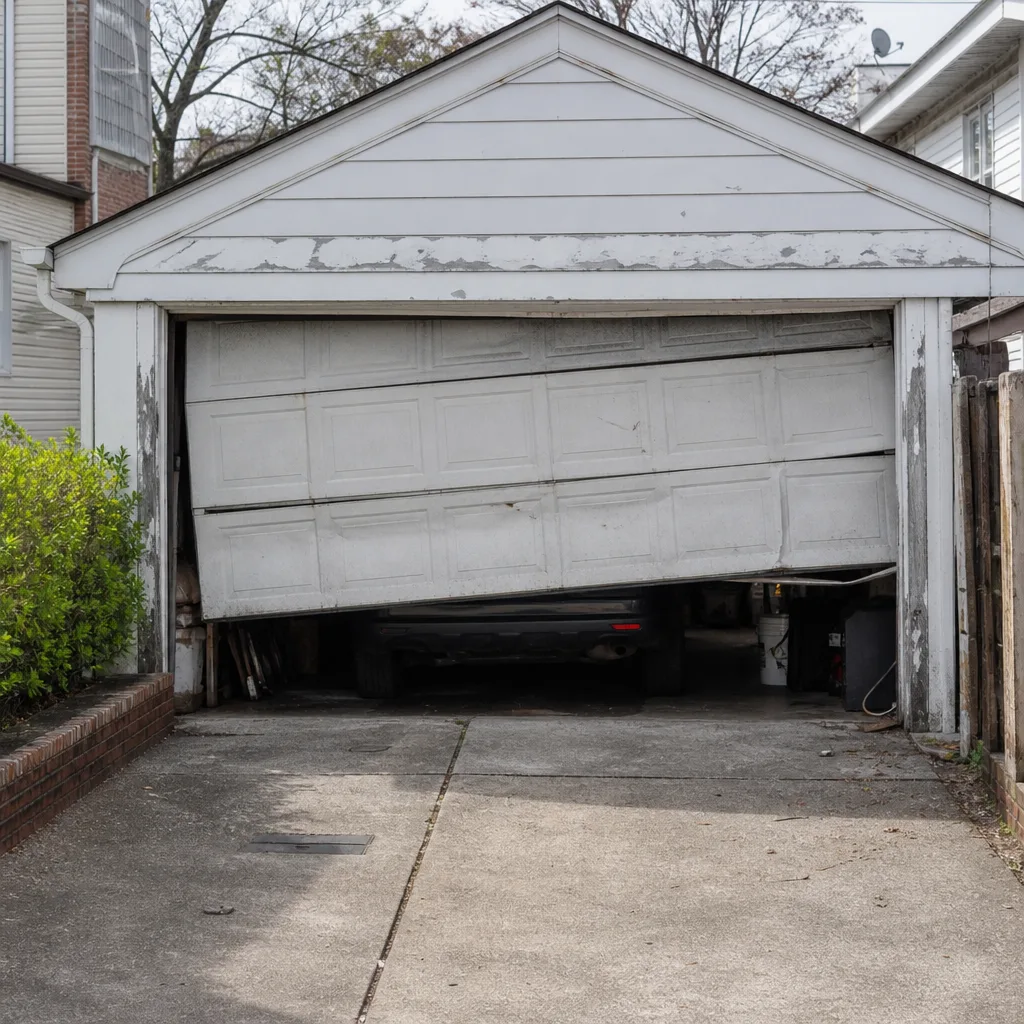 Before
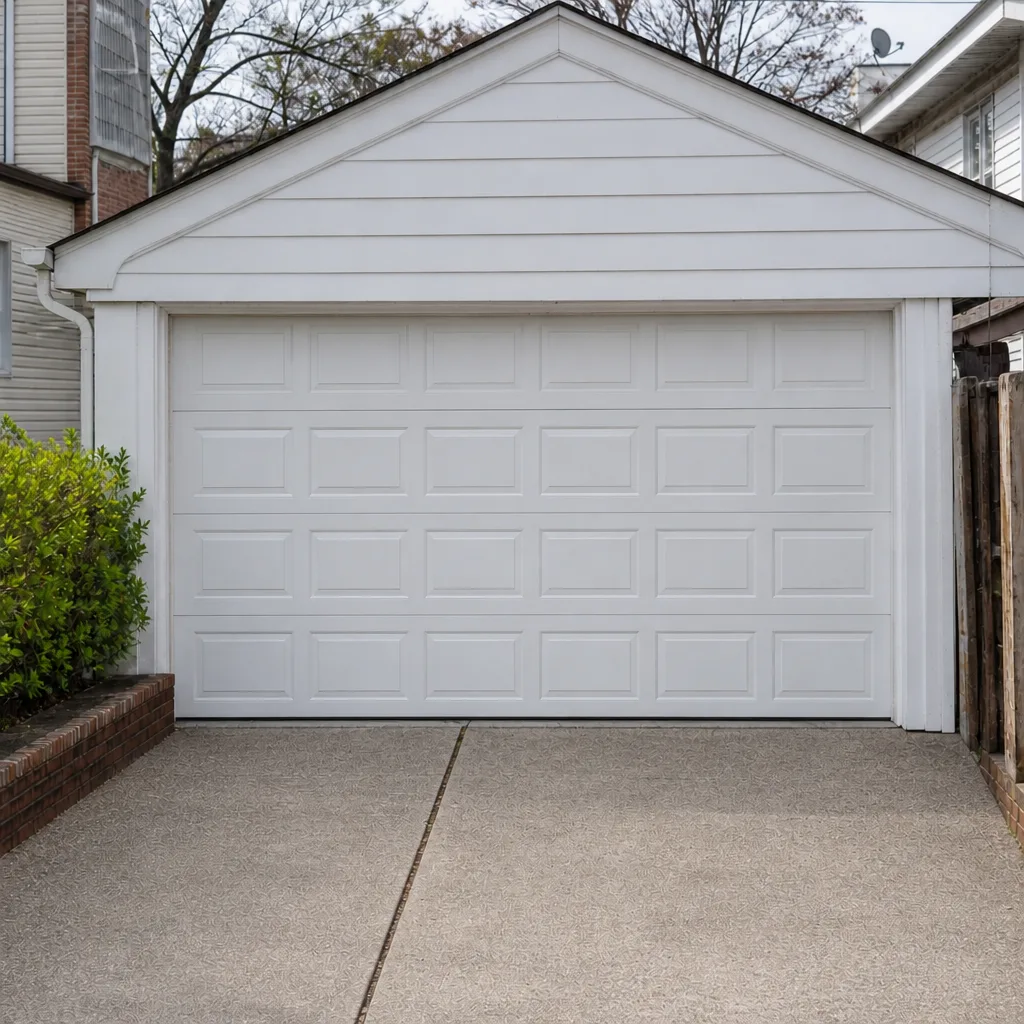 After
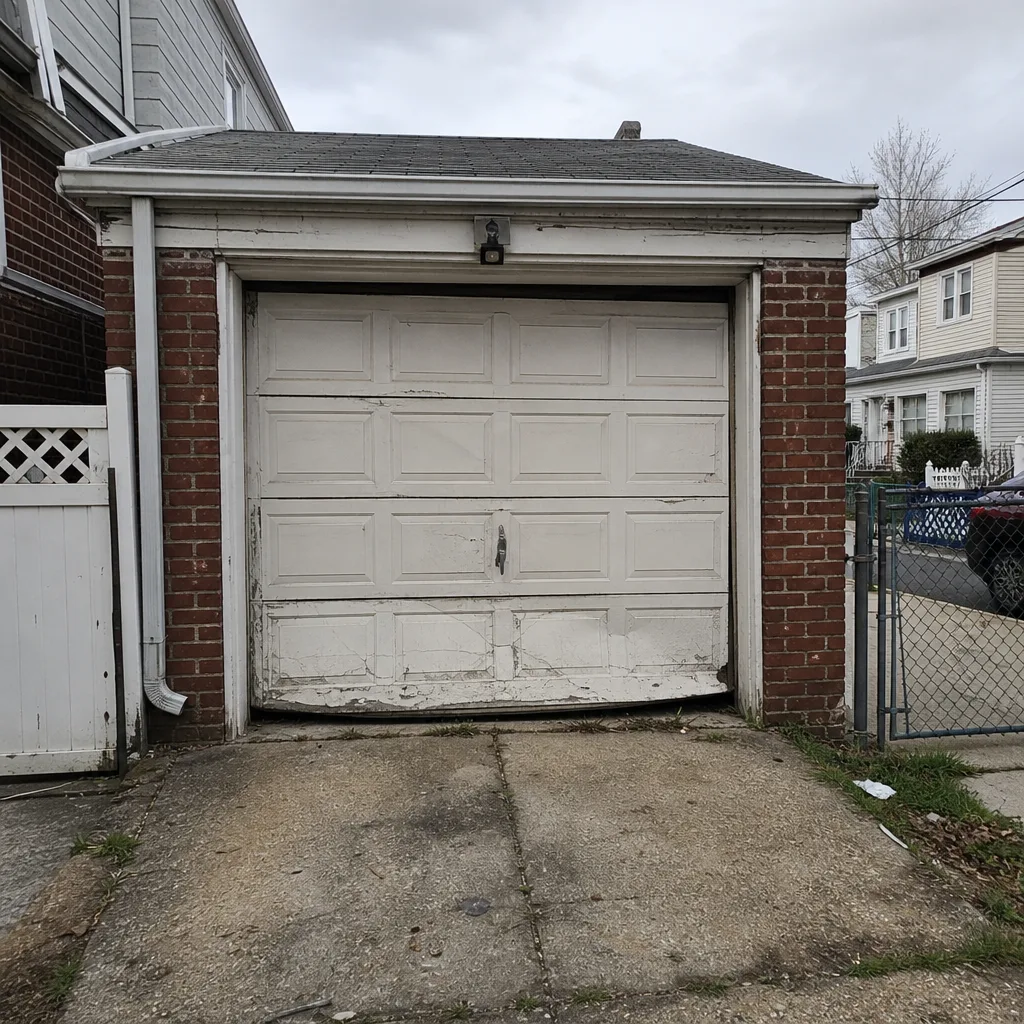 Before
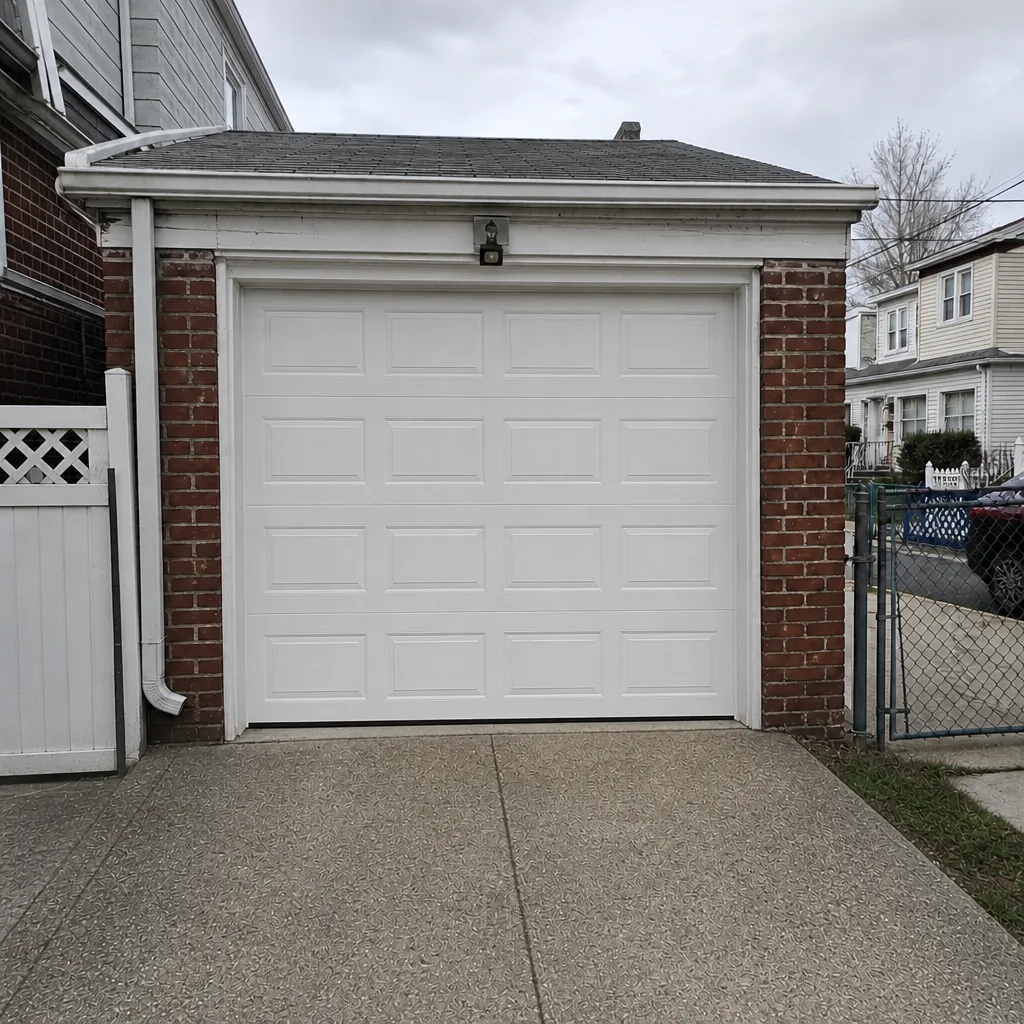 After
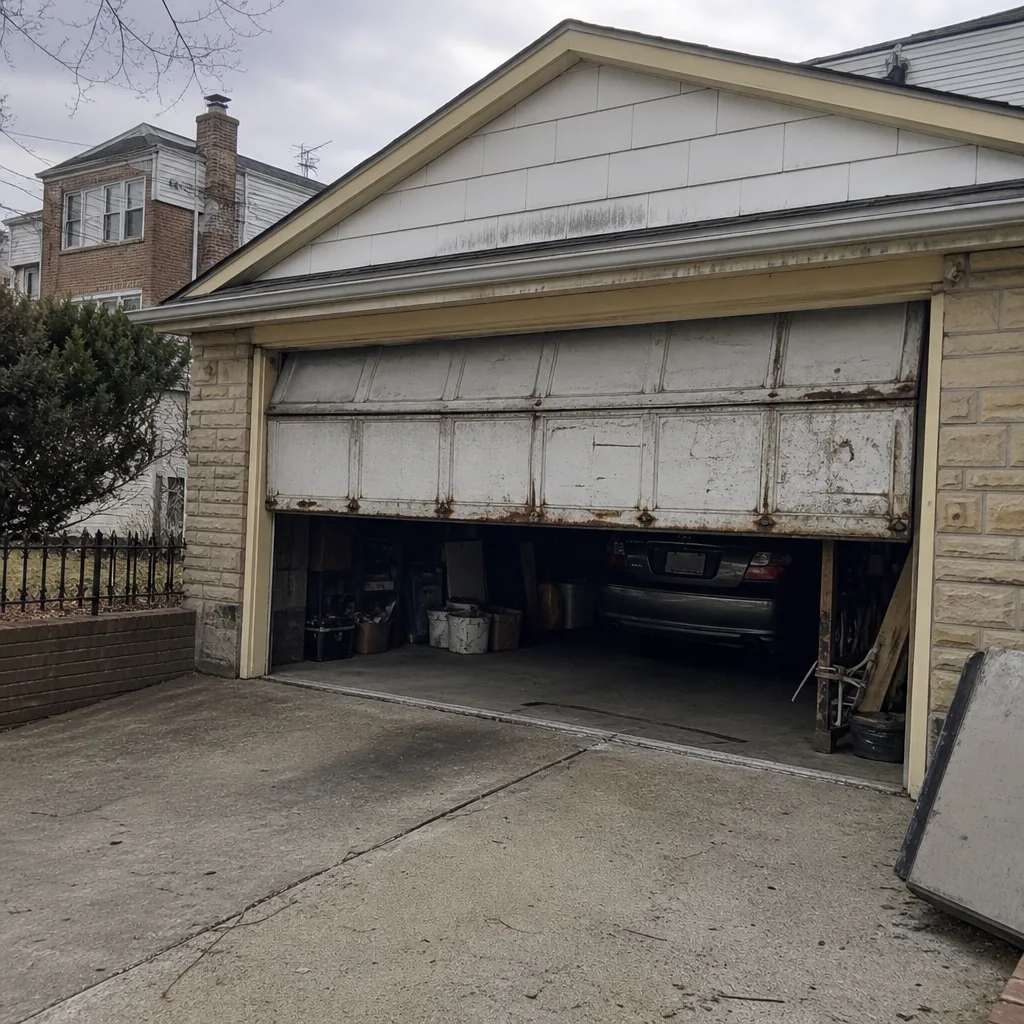 Before
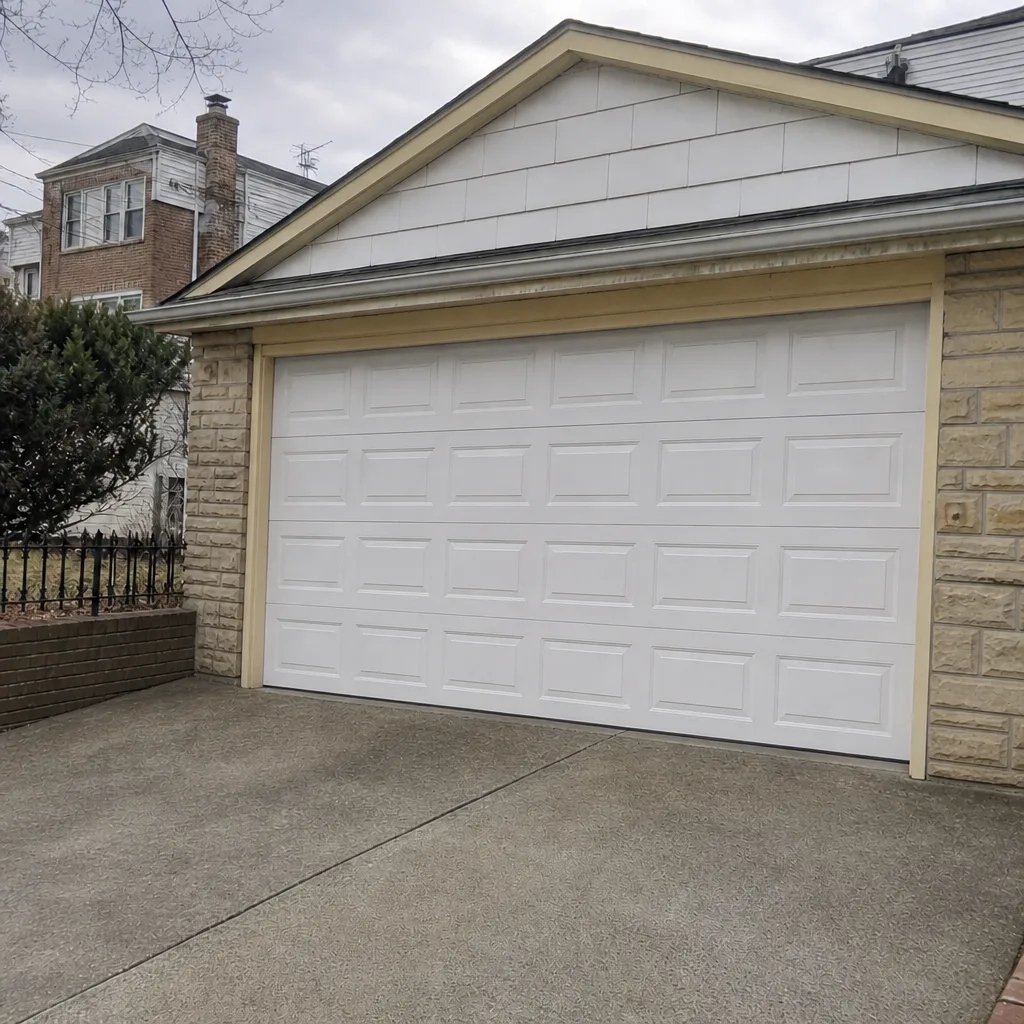 After