Last updated November 21, 2026
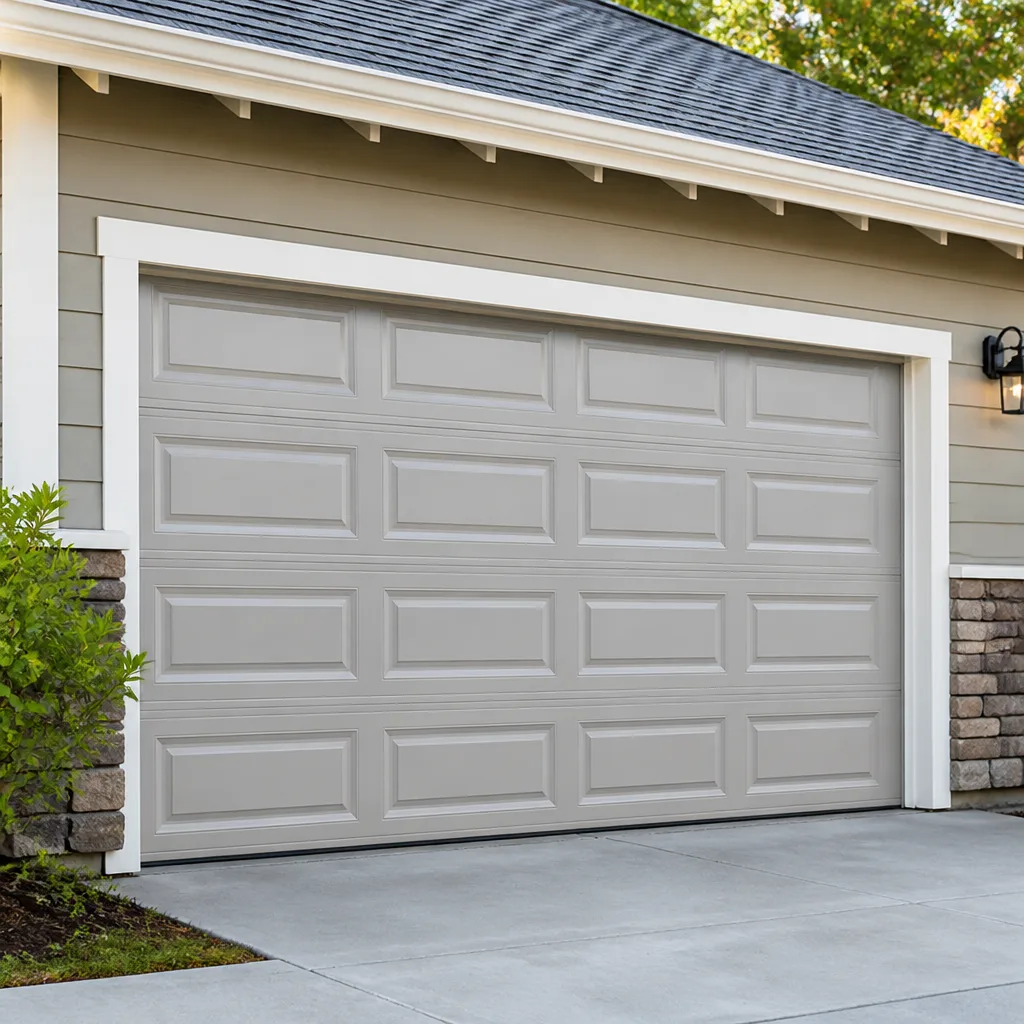 Raised-panel steel
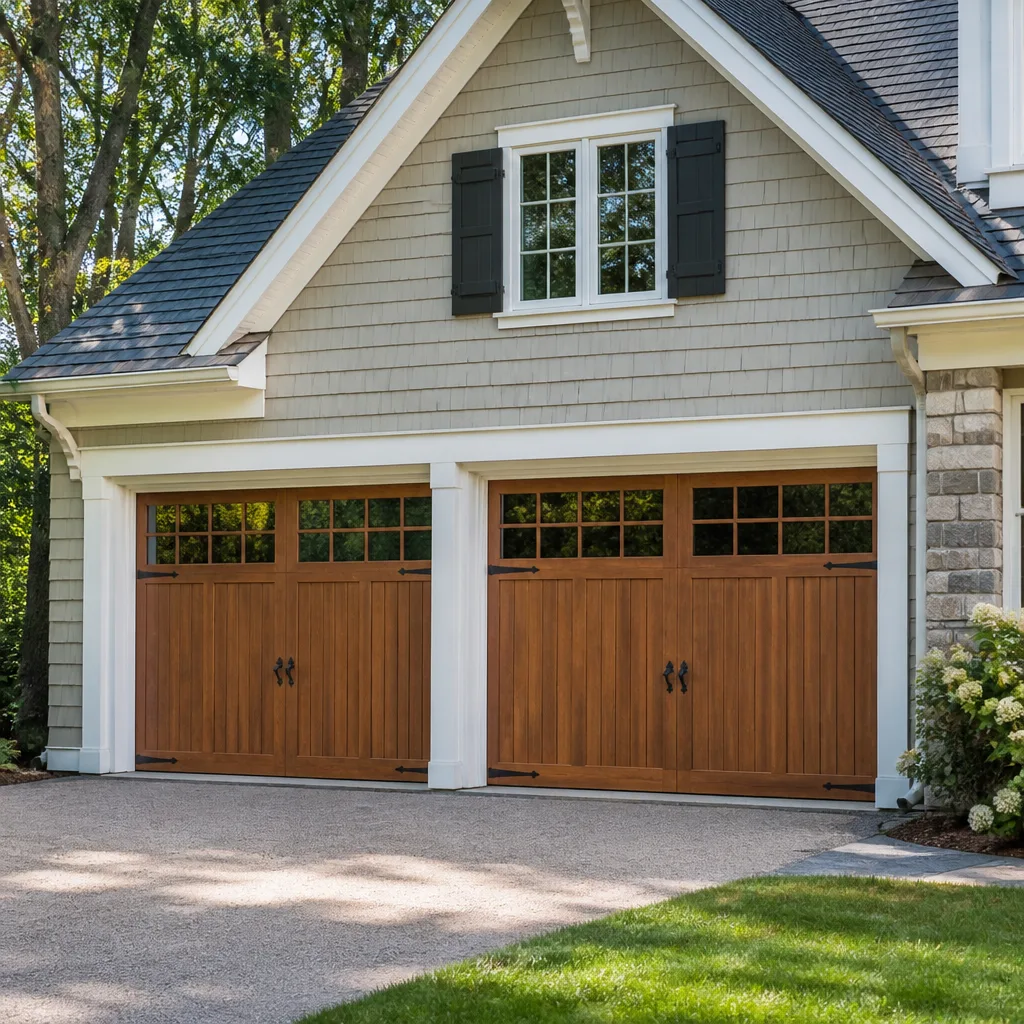 Carriage house
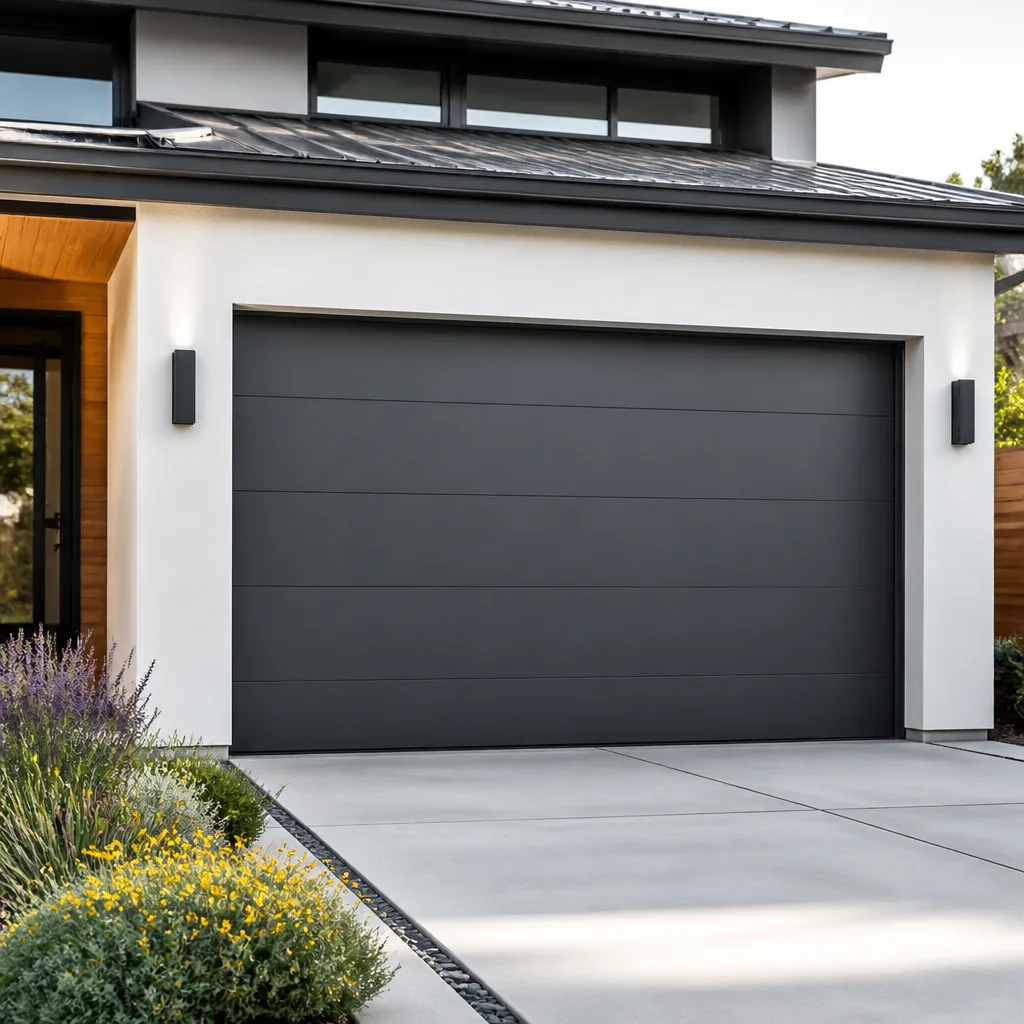 Modern flush
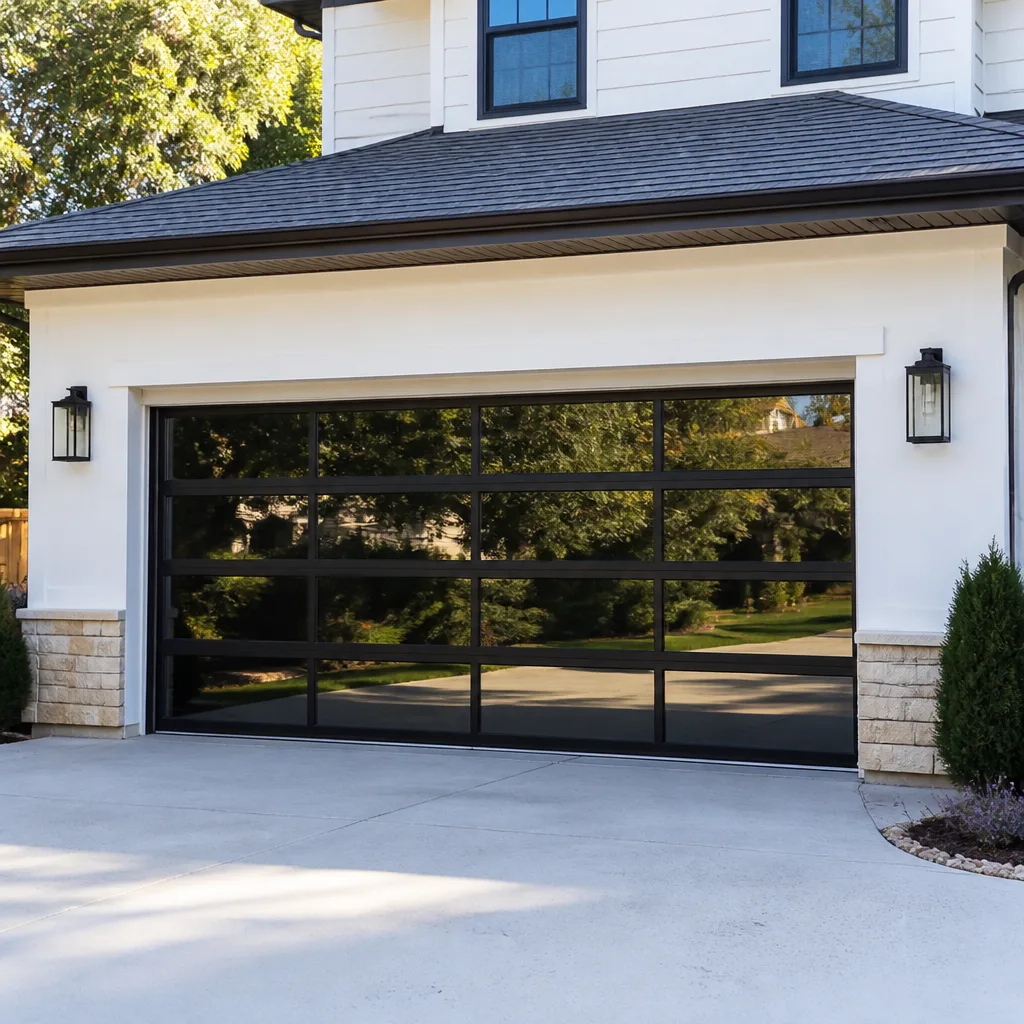 Full-view glass
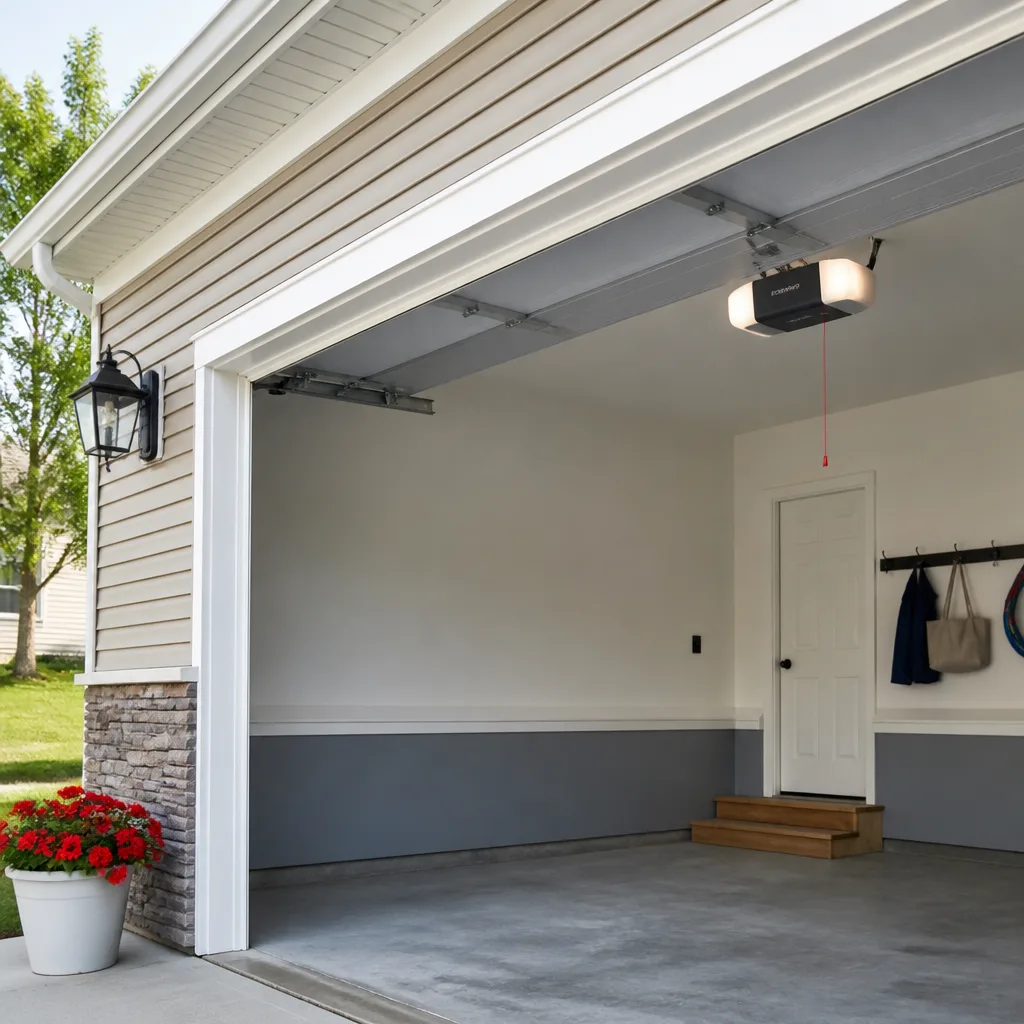 LiftMaster openers
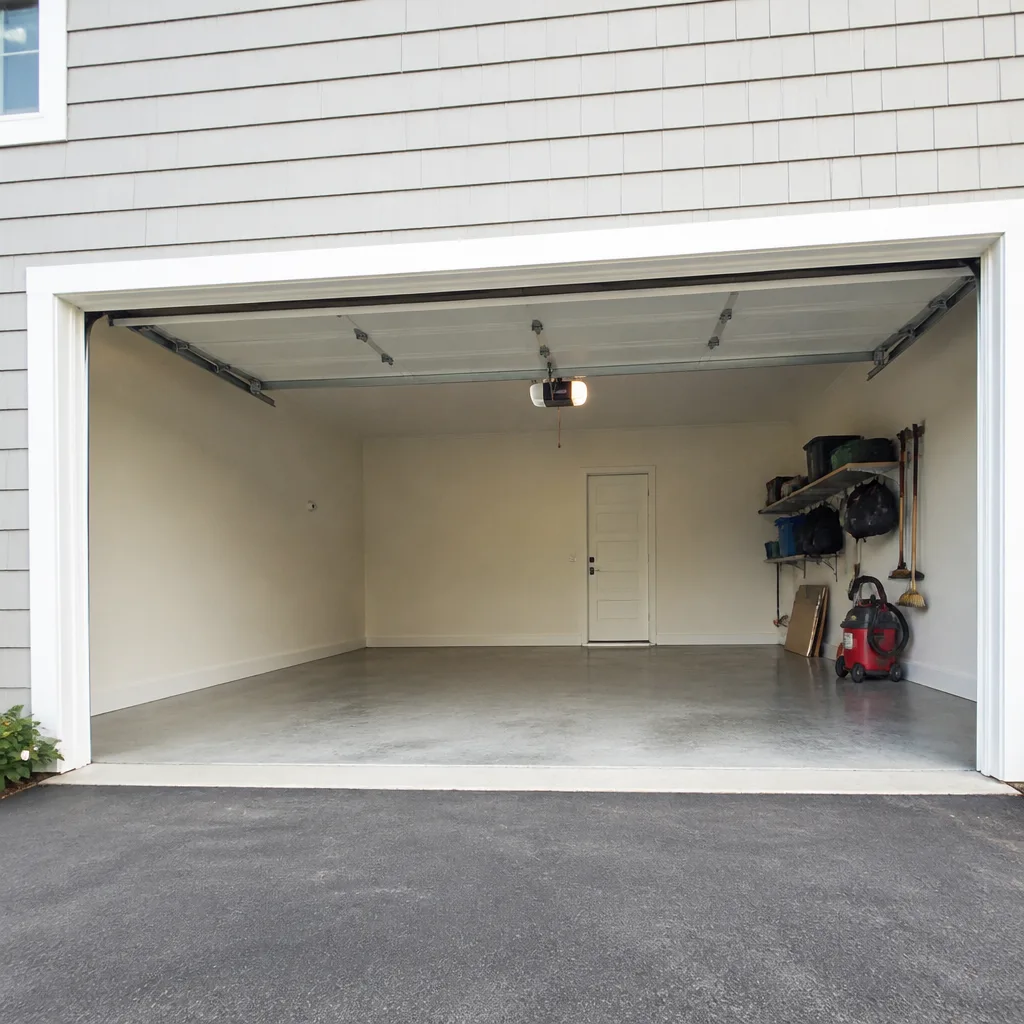 Chamberlain openers
Full 25-point door and opener safety check with every visit - springs, cables, rollers, tracks, and your LiftMaster or Chamberlain opener included
You get a price before we start. It does not change when the pro arrives.
Get your free estimateThe Complete Guide to Garage Doors in Jackson Heights
Most garages in Jackson Heights were built long before the torsion spring became the standard. That single fact changes almost everything about how a door should be measured, sprung, and motorized here. The suburban formula of a seven-foot door with a standard spring and a ceiling-mounted opener often doesn’t fit the attached row-home garages that line these blocks. Headroom is tight, framing is old, and the door that worked in 1955 may now be fighting hardware it was never matched to. This guide walks through what actually applies in Jackson Heights: how the housing stock shapes your options, what Queens weather does to springs and tracks, how low headroom works mechanically, and when to fix versus replace. By the end you’ll know what to measure, what to ask, and what to expect from a repair.
Quick Answer
A garage door in Jackson Heights needs to be measured to its actual opening and headroom, not a standard size, because most attached and row-home garages here are tighter and older than national norms. Queens humidity and freeze-thaw cycles wear springs, cables, and rollers faster than milder climates, so service intervals run shorter. Springs, cables, and opener adjustments are jobs for a trained technician; panels, seals, and balance checks are things you can inspect yourself. The written estimate always sets the final price.
Styles & brands we work with
- Raised-panel steel
- Carriage house
- Modern flush
- Full-view glass
- LiftMaster openers
- Chamberlain openers
Table of Contents
- How Jackson Heights Housing Shapes Your Garage Door
- Why Queens Weather Wears Hardware Faster
- Spring Types and What Your Garage Actually Has
- What Low Headroom Means and Which Setups Work
- Brand Compatibility When You Replace Parts
- Alley-Facing Versus Street-Facing Garages
- Repair or Replace: How to Decide
- A Simple Maintenance Routine
How Jackson Heights Housing Shapes Your Garage Door
Jackson Heights is a neighborhood of attached row houses, small apartment buildings, and commercial corners packed into a few square miles. That density shows up in the garage. Many are rear-access setups off shared alleys, some are tucked under the front of a house with living space above, and the clearances are often smaller than what a modern manufacturer assumes. A door that lists as standard seven-foot-by-nine-foot may not drop into a rough opening from the 1920s without shimming, re-framing, or a custom panel width.
The framing tells you a lot. Older attached garages here frequently have a header that sits lower than modern code anticipates, which reduces the vertical space above the door. That space is where the torsion spring or the opener rail wants to live. When it’s missing, the hardware has to be reconfigured rather than forced in.
Practical implications for Jackson Heights homeowners:
- Opening sizes vary house to house. Measure the actual finished opening, height and width, before ordering a door or a spring. Don’t assume.
- Shared walls mean shared loads. On an attached row house, the garage shares structure with the neighboring unit. Replacing a door shouldn’t disturb that wall, so a technician needs to check how the jamb is anchored.
- Old headers limit opener placement. An opener that needs a specific ceiling height may not fit. A jackshaft or wall-mounted unit is often the answer.
- Alley access changes the weather exposure. A rear door facing an alley takes wind and rain differently than a street-facing door, which affects the bottom seal and the panel finish over time.
What we’ve seen is that the same job in a suburban driveway is a different job in a Jackson Heights row house. The door, spring, and opener all have to be chosen against the actual building, not a spec sheet. For anything beyond a simple seal swap, that’s where a specialist with local experience earns their place.
Why Queens Weather Wears Hardware Faster
Queens sits in a humid continental climate with hot, sticky summers and cold winters that swing above and below freezing repeatedly. Those swings are what stress a garage door most. Springs are tempered steel under constant tension. Every temperature change moves the metal slightly. Across enough freeze-thaw cycles, it loses its elasticity and eventually breaks. Humidity does the rest: moisture in the air accelerates rust on cables, hinges, and the bottom of the door where it sits near the slab.
What does that mean in practice? A few things a homeowner in Jackson Heights should plan for:
- Shorter spring life than dry-climate averages. Standard advice that a torsion spring lasts a certain number of cycles assumes a stable climate. Here, the real-world number is lower, so budget for replacement sooner.
- Cable and roller corrosion. Cables fray faster when humidity is high. Rollers seize and then drag, which puts extra load on the opener.
- Seal wear at the bottom. Freeze-thaw lifts and cracks the bottom seal, letting in water that works on the door’s edge and the garage floor.
- Track expansion and alignment. Wood framing and steel tracks move at different rates with heat and cold. Tracks drift out of alignment and the door binds.
The upside is that most of this is predictable. If you know the climate, you know where to look. That’s the part generic national maintenance advice usually skips. In Jackson Heights, a seasonal check in spring and fall pays for itself by catching a rusted cable before it snaps.
The short version: our technicians have up to 8 years of experience working in this climate, and the same hardware failures come up again and again. When you call about a door that’s suddenly heavy or noisy, you’re usually describing a wear pattern, not bad luck.
Spring Types and What Your Garage Actually Has
Garage doors use one of two spring systems, and knowing which one you have tells you how your door behaves and what a repair involves. Torsion springs mount on a horizontal shaft above the door and twist to lift it. Extension springs stretch along the sides, parallel to the horizontal tracks. Older doors, including many in Jackson Heights built before torsion became standard, use extension springs. Many were also converted or upgraded over the years, so the door you have may not match the building’s age.
Spring work is the most dangerous part of garage door service. Both types store enormous energy, and a spring under tension can cause serious injury if handled incorrectly. That’s not a reason to panic; it’s a reason to treat it as a specialist job rather than a weekend project. We don’t recommend adjusting, disconnecting, or replacing a spring yourself. Leave it to a trained technician.
How to tell what you have, from the ground:
- Look above the door. A horizontal steel shaft with coiled springs on it means torsion.
- Look to the sides. Springs running alongside the horizontal tracks, with cables attached, mean extension.
- Count the springs. A single torsion spring is common; two are often installed together for heavier doors. A matched pair should be replaced as a pair, so expect the cost of two.
- Note the color markings. Torsion springs are color-coded to their wire gauge. A technician will use that code to match a replacement.
If a spring has broken, the door will feel extremely heavy and may not open more than a foot. Stop using the opener. Pulling on a door with a broken spring can bend tracks or snap a cable. Call for service instead. Our garage door repair team handles spring replacement as a standalone job and can usually get you back up and running the same day.
What Low Headroom Means and Which Setups Work
Headroom is the vertical space between the top of the door and the ceiling of the garage. Standard-lift doors want roughly a foot of clearance above the door for the torsion shaft and the top of the track curve. Low-headroom garages have less, sometimes as little as a few inches, and the door has to be configured differently so the panels can still turn over and run back along the ceiling.
This is where Jackson Heights garages get interesting. An attached row house with living space above the garage often has a shallower ceiling than a detached suburban garage. That small difference rules out some off-the-shelf openers and some standard spring setups.
The two main configurations that work:
- Low-headroom torsion setup. The torsion shaft and springs mount close to the header, and the track uses a tighter radius curve to clear the ceiling. This requires specific hardware, not a standard kit bent to fit.
- Wall-mounted (jackshaft) opener. Instead of hanging from the ceiling, the opener mounts on the wall next to the torsion shaft and drives the door sideways. It takes up almost no ceiling space and suits low-headroom garages.
What doesn’t work: forcing a standard ceiling-mounted opener into a garage that doesn’t have the clearance. The rail hits the ceiling, the door binds at the top of its travel, and the opener motor works harder than it should. That’s a common failure mode we see on older Jackson Heights installs where someone tried to save a step.
Before ordering anything, measure your available headroom and note whether your ceiling is flat or sloped. That single number decides which opener and which spring setup are viable. For a full install or replacement, the garage door installation process starts with that measurement and a written price, not a verbal guess.
Brand Compatibility When You Replace Parts
The brand already in your garage matters more than most homeowners expect. An opener, a door, and a spring set are not interchangeable across manufacturers. A Genie opener’s rail and carriage don’t match a LiftMaster’s, a Clopay panel has its own profile, and a Craftsman remote won’t talk to a Chamberlain receiver. When you’re replacing one component inside an existing system, matching the brand is often simpler and cheaper than switching everything over.
What we’ve seen in Jackson Heights is a mix. Older homes often carry Craftsman or Genie openers installed decades ago, and newer replacements lean toward LiftMaster or Chamberlain. Doors vary too: older Raynor and Wayne Dalton panels sit alongside newer Amarr installs. Knowing the brand lets a technician bring the right part and skip a second trip.
What to check before buying a replacement part:
- Find the opener’s model label. It’s usually on the back or ceiling end of the motor housing.
- Note the door’s brand and size. Stamped on a panel or the bottom rail for most manufacturers.
- Check the spring color code. Tells you wire gauge for a torsion spring, which must match.
- Look at the wall button and remotes. Their brand and model often reveal the opener’s generation and compatibility.
We work on the brand already in your garage: LiftMaster, Chamberlain, Genie, Clopay, Amarr, Wayne Dalton, Craftsman, and Raynor. That’s not a marketing list, it’s a parts-and-knowledge catalog. When you call, tell us the brand and model. It’s the fastest way to a firm estimate. If your opener has failed entirely, our garage door opener repair team treats motor, remote, and smart-home issues as a specialty, not a side job.
Alley-Facing Versus Street-Facing Garages
Jackson Heights garages come in two main orientations, and each has its own priorities. An alley-facing garage is set back from the street and accessed by a shared driveway or lane. A street-facing garage opens directly onto the sidewalk or a front driveway. The difference affects how you secure the door and how you protect it against weather.
Alley-facing garages usually back onto a shared lane that’s less visible from the street. That makes the door itself the primary barrier to the interior. Priorities shift toward lock integrity and a solid panel construction, and away from curb appeal. Fit matters more than style: a bottom seal that’s tight to the slab keeps water out of the lane and off the floor.
Street-facing garages face the weather directly and are visible from the sidewalk. Panel finish and UV resistance matter more because the door takes direct sun. The bottom seal also wears faster from runoff, so it needs checking more often.
What to consider for each:
- Alley-facing: an additional slide lock or an opener with a manual release override; a door that’s flush or near-flush with the siding to reduce prying points.
- Street-facing: a finish rated for sun exposure; a weather seal at the bottom and sides; periodic inspection for panel rust where water pools.
- Both: keep the track clear of debris; make sure the opener’s safety reverse works; ensure cables and springs are intact so the door can’t drop.
The security question is really a maintenance question. A door that’s in good working order is harder to force than a door that’s binding or off its track. Our Jackson Heights Garage Door Repair covers off-track doors, broken springs, and opener failures that leave a home unsecured, with same-day and emergency service available.
Repair or Replace: How to Decide
Not every old door needs replacing, and not every replacement is an upgrade. The decision comes down to a few signals. Panels that are still structurally sound, tracks that are straight, and a spring or opener that’s simply worn out usually mean repair. A door with a warped panel, rust through the bottom rail, or a rough opening that’s shifted out of square may cost more to fix than to replace.
Where to look before you decide:
- Panel condition. Surface dents are cosmetic. Cracks, warping, and rust holes in the bottom rail are structural.
- Track alignment. If the door binds consistently at one point in its travel, the track or the panel is out of true.
- Balance test. With the opener disconnected, a properly balanced door should hold where you leave it, halfway up. If it drops or won’t stay, springs need attention.
- Opener age and behavior. A motor that strains or reverses unexpectedly is a repair candidate; a motor that’s failed and can’t be matched to current parts may warrant replacement.
If you’re close to a replacement, it’s worth pricing the install alongside the repair so you can compare in writing. Our garage door installation team handles new doors in the same brands and sizes that match Jackson Heights openings, and the install typically includes the door, tracks, springs, and opener compatibility if you need it. The written estimate always sets the final price.
What we’ve seen is that repairs win far more often than homeowners expect. An opener swap or a spring replacement is a fraction of the cost of a full door, and if the panels are sound, the door has plenty of life left.
A Simple Maintenance Routine
A little routine keeps a door reliable and catches problems before they become emergencies. The steps below are safe for a homeowner to do. Anything involving springs, cables, or electrical work belongs with a trained technician. The key principle: inspect what you can see, and don’t adjust what could injure you.
What to do each season:
- Look and listen. Open and close the door once. Listen for grinding, squeaking, or a door that pauses mid-travel.
- Check the bottom seal. Run a hand along the seal where it meets the slab. Cracks and gaps mean water will get in.
- Wipe down the tracks. A dry rag clears debris. Don’t oil or grease the tracks themselves; that attracts grit. A few drops of light lubricant on the hinges and rollers is enough.
- Test the safety reverse. Place a small object under the door’s path. The door should reverse when it meets resistance.
- Check the balance. Disconnect the opener, lift the door halfway, and let go. It should stay put.
- Visual check of springs and cables. Look for rust, frayed cable strands, or a gap in a torsion spring. If you see any of those, stop using the door and call for service.
In Jackson Heights, the two big checkpoints are spring and fall. Spring is when freeze-thaw damage shows up. Fall is when you want the seal and hardware ready before the first cold snap. A five-minute look twice a year is the cheapest maintenance there is.
Common Mistakes to Avoid
- Measuring by eye. Jackson Heights openings are often not standard sizes. Measure the finished opening, height and width, before ordering anything. A door that’s an inch too wide won’t fit and can’t be trimmed down.
- Replacing one spring of a matched pair. If two springs were installed together, they’ve shared the load and aged together. Replacing one leaves the other to carry more than it should.
- Forcing a standard opener into a low-headroom garage. It’ll bind, strain, and fail early. Measure headroom first and choose a jackshaft or low-profile setup if needed.
- Greasing the tracks. It seems helpful, but lubricant on the tracks collects grit and wears rollers faster. Grease the hinges and rollers, not the track itself.
- Using the opener on a door with a broken spring. The opener will run, but the door won’t lift, and the motor or the trolley can fail. Stop and call for service.
- Ignoring the bottom seal. In this climate, a worn seal lets water onto the floor and into the door’s edge. Replace it when it cracks, not when the door rots.
- Hiring a generalist for a spring job. Spring work requires specialist training and the right parts. If a contractor quotes a spring replacement without checking which type and what size, keep calling.
See the difference
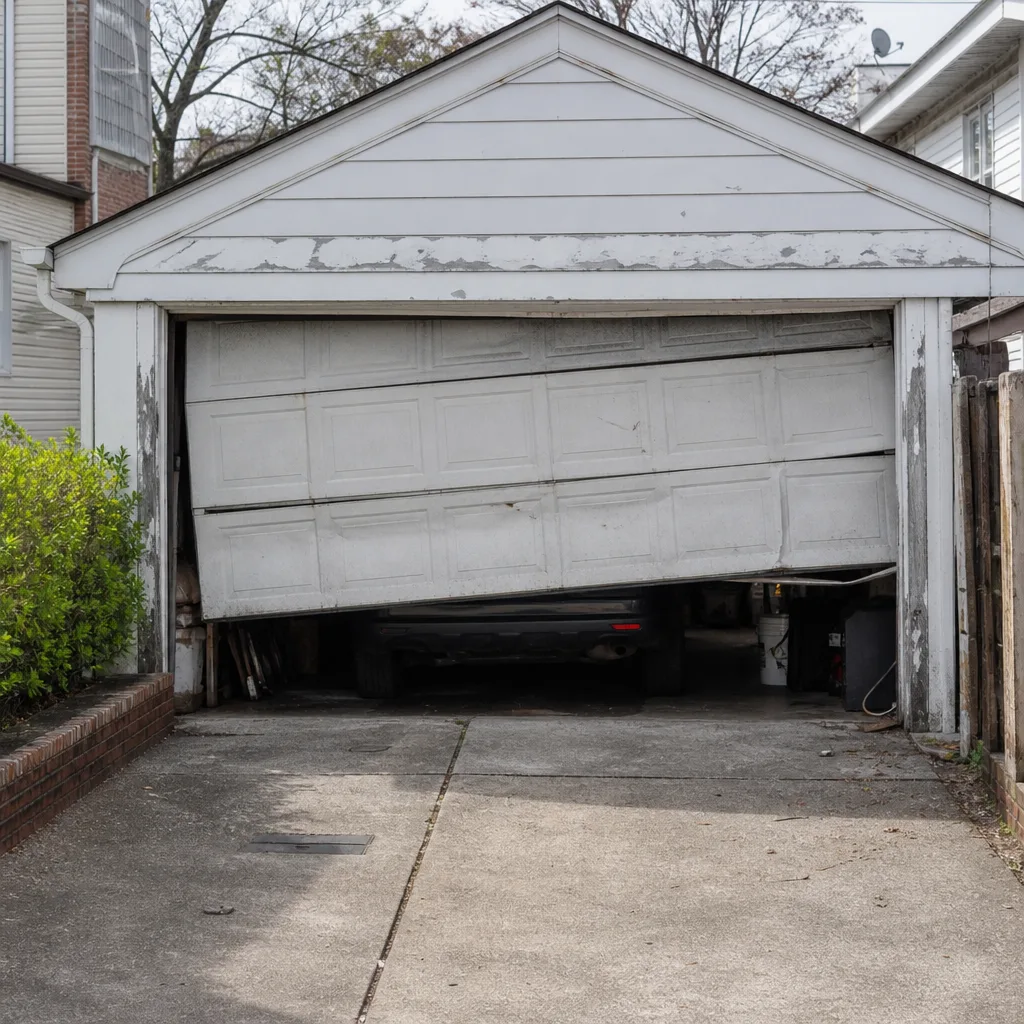 Before
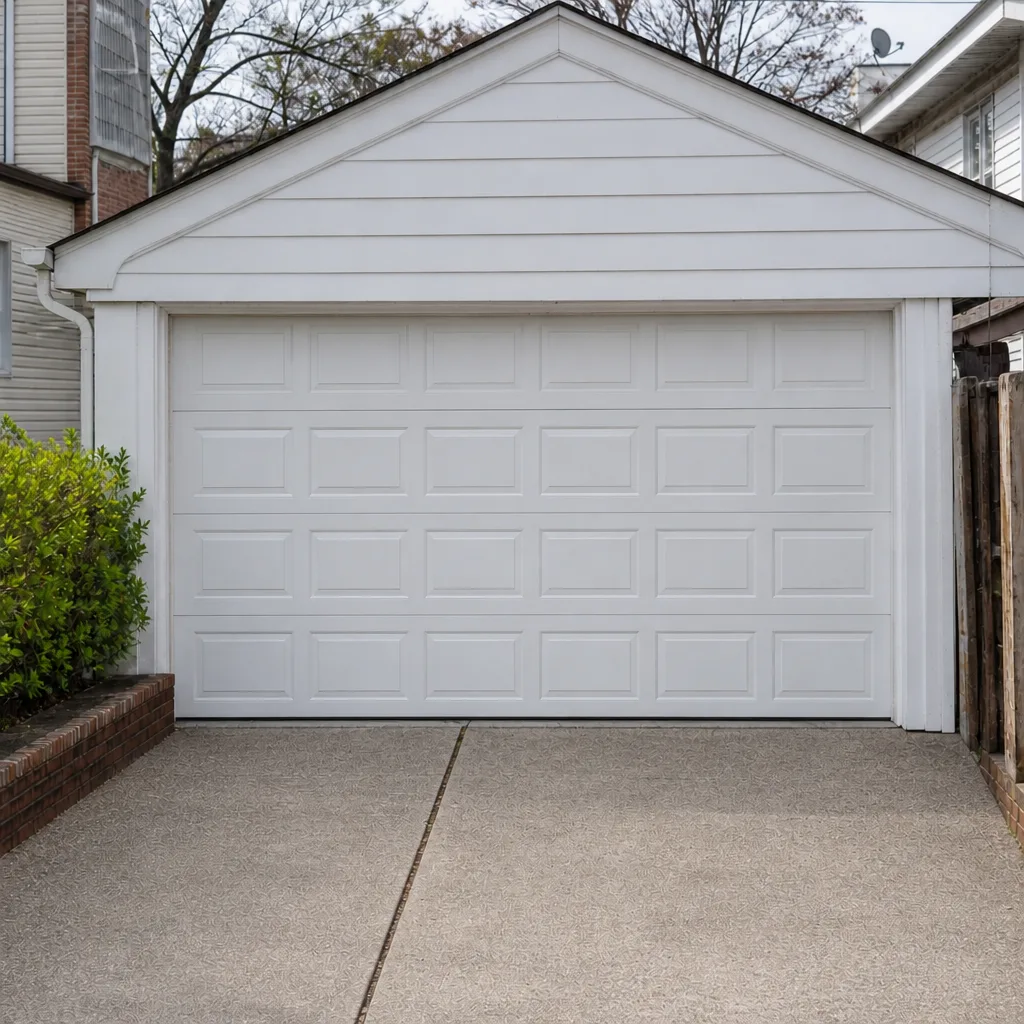 After
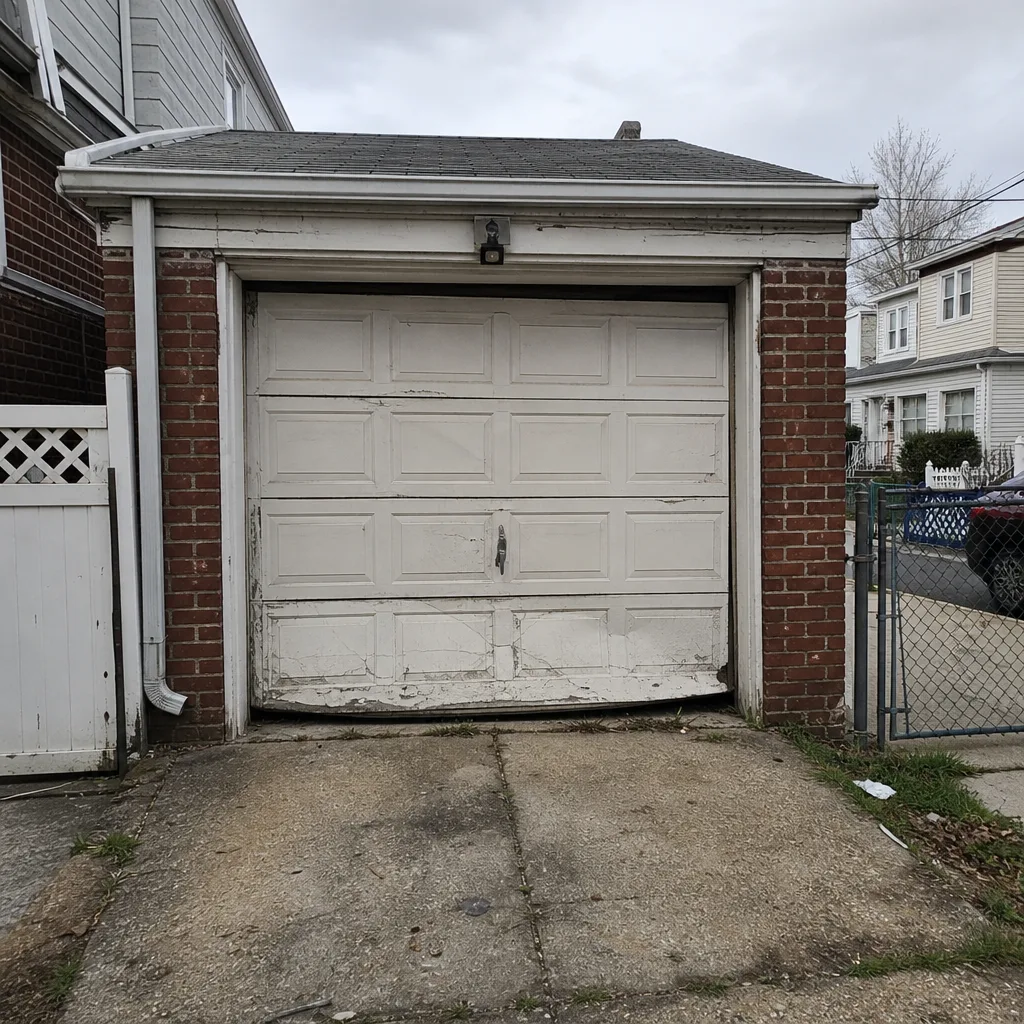 Before
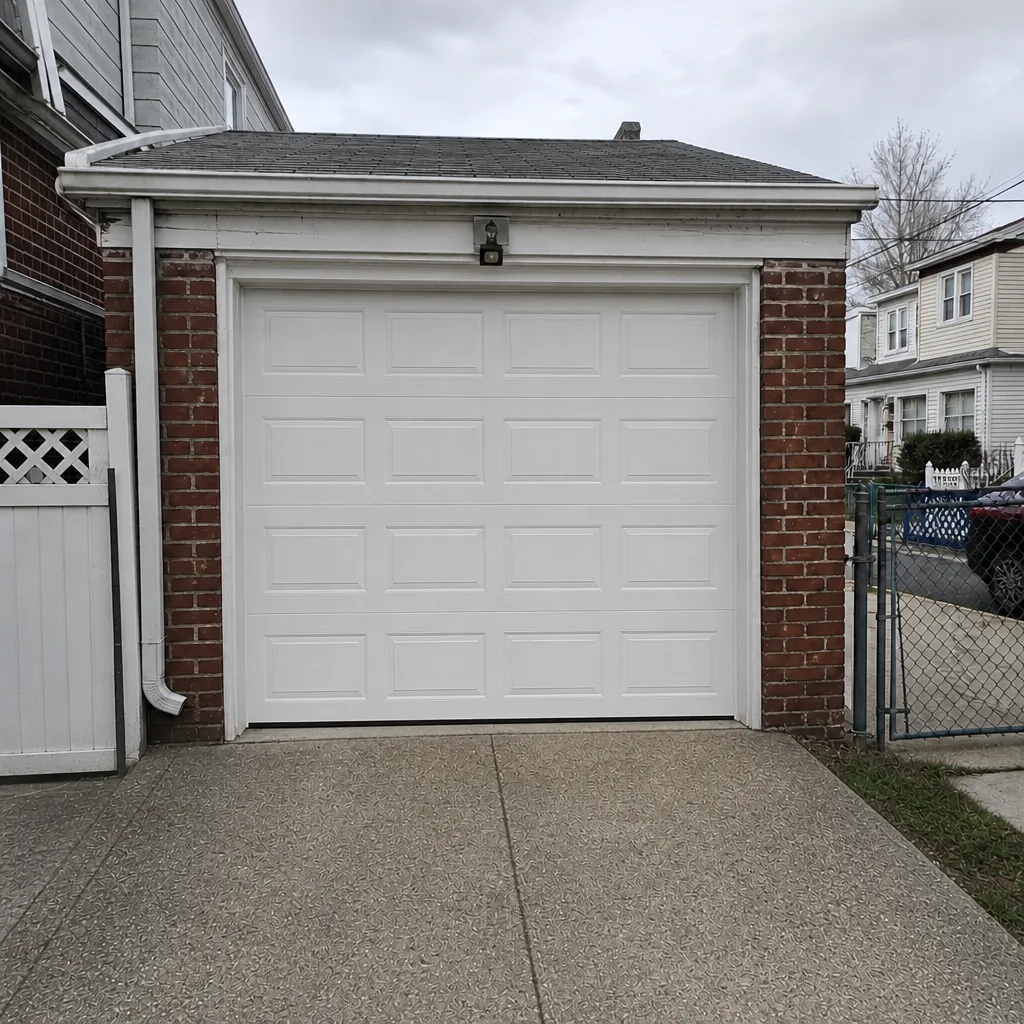 After
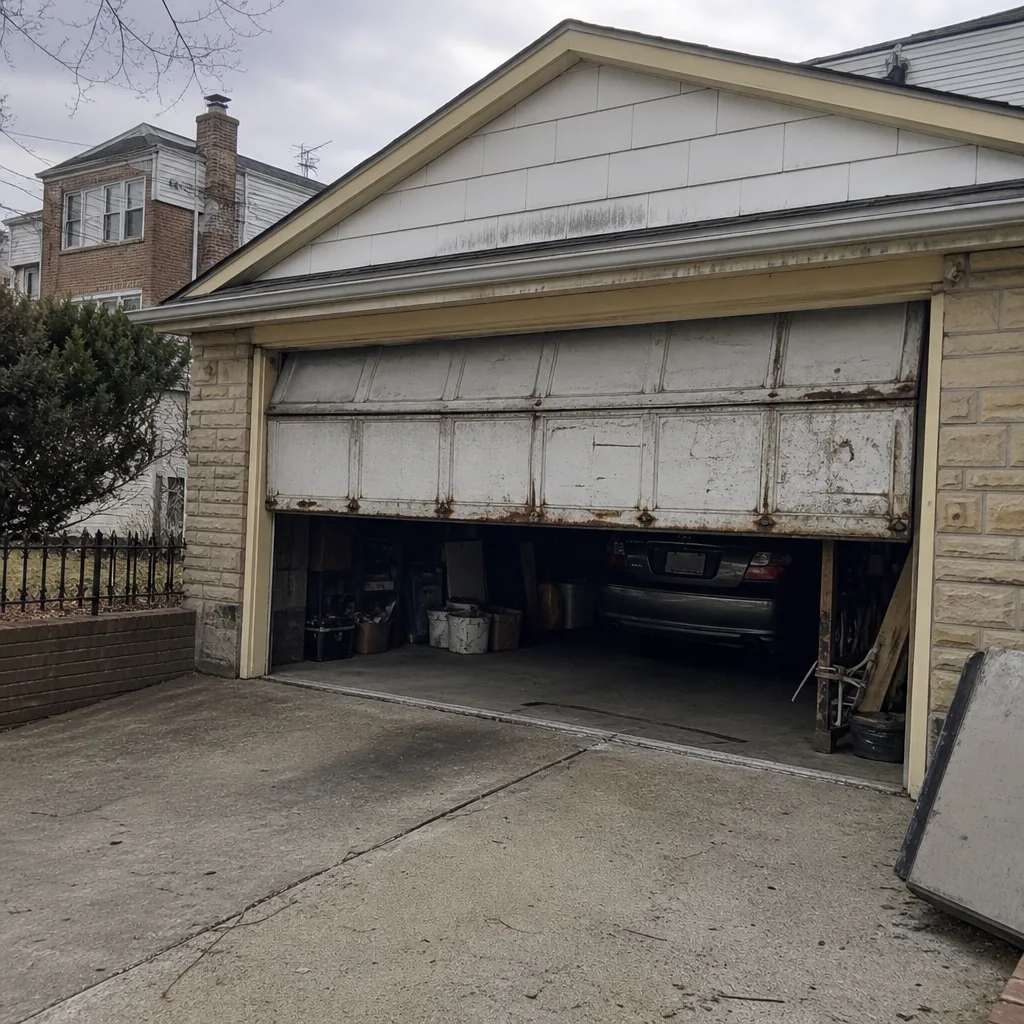 Before
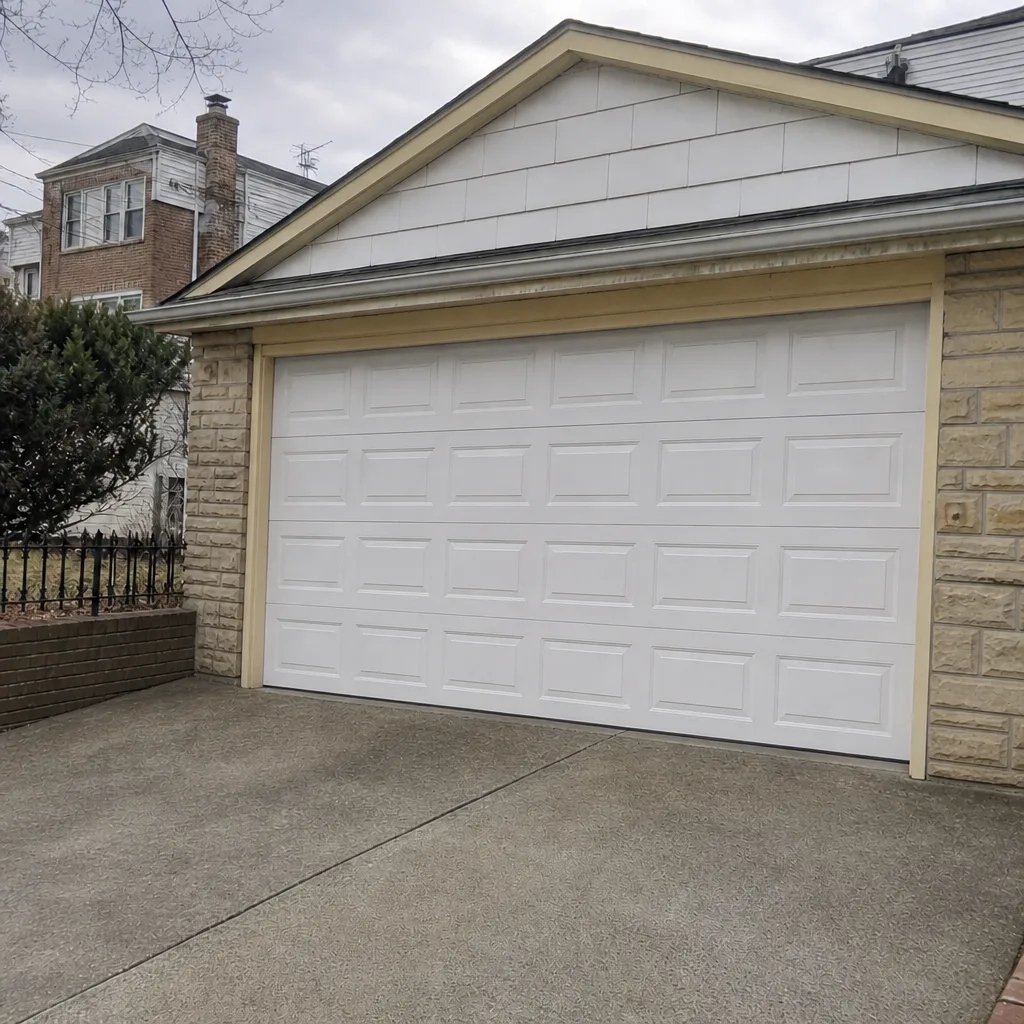 After
When to Call a Professional
Call for help when a spring breaks, when a door is off its track or won’t open more than a foot, when the opener runs but the door doesn’t move, or when a cable looks frayed or loose. These are the jobs where doing it yourself risks injury. Also call if the door is dragging, binding, or reversing unexpectedly, because those point to balance or opener issues that need real diagnosis. For a panel replacement, a seal swap, or a visual check, most homeowners can handle it themselves.
Jackson Heights Garage Door Repair offers free estimates in Jackson Heights. Our technicians have up to 8 years of experience and handle springs, openers, panels, and tracks for eight of the leading brands. Call (833) 402-5989 to book a visit, and if a door is trapping a car or leaving a home unsecured, tell us when you call.
Frequently Asked Questions
Repair costs depend on the component and the door. A spring replacement is priced per spring, and a matched pair is replaced together, so expect roughly twice a single spring. Opener repairs and panel swaps are quoted separately. Because Jackson Heights openings are often non-standard, the technician will measure first and give a written estimate before any work starts. That written estimate sets the final price. Call (833) 402-5989 for an exact quote; estimates are free.
Look above the door for a horizontal shaft with coiled springs, which means torsion, or check the sides for springs running parallel to the tracks, which means extension. Torsion springs are color-coded for wire gauge. Older Jackson Heights garages often carry extension springs or a converted torsion setup, so don’t assume. A technician can confirm in a couple of minutes, and that confirmation decides which replacement fits.
Often, yes. Spring repair is a same-day service for us when the right spring is available; a matched pair sometimes needs a specific part ordered in. We’ll tell you the timing when you call. If your spring has already broken, stop using the opener and don’t force the door. Call (833) 402-5989 and we’ll get you scheduled.
A standard ceiling-mounted opener needs clearance above the door’s highest travel point. A low-headroom garage doesn’t have that clearance, so the rail hits the ceiling and the door binds. The fix is a jackshaft or wall-mounted opener that drives the door from the side. Jackson Heights attached row houses often fall into this category, so measure headroom before choosing an opener.
The local pro who arrives is licensed and insured as their state requires, and we only connect you with vetted local professionals. Our technicians have up to 8 years of experience. We work on the brands already installed across Jackson Heights, including LiftMaster, Chamberlain, Genie, Clopay, Amarr, Wayne Dalton, Craftsman, and Raynor. Call (833) 402-5989 with any licensing questions before booking.
Repair wins if the panels are sound and only the springs, opener, or seal are worn. Replacement makes more sense if the bottom rail is rusted through, a panel is warped, or the opening itself is out of square. Many older doors in Jackson Heights have decades of life left with a spring and opener refresh. Ask for both a repair quote and an install quote in writing before deciding.
The Bottom Line
Jackson Heights garages don’t follow the standard suburban formula, so the advice you get from a national chain or a general contractor often misses. Measure the actual opening and the actual headroom. Match your replacement parts to the brand that’s already installed. Plan for shorter spring and cable life because of Queens humidity and freeze-thaw. Know whether you have an alley or street-facing garage and adjust your security and weatherproofing priorities to match. And treat spring, cable, and opener work as a specialist job, not a DIY project. If a repair is on the horizon, call (833) 402-5989 for a free written estimate and an honest read on whether to fix or replace.
Written by the team at Jackson Heights Garage Door Repair.